

ADVERTISEMENT

House-approved digital learning resources bill to spare students from making difficult choices--Speaker Dy

Published Aug 14, 2026 05:40 pm

At A Glance

  • HB No. 9532, passed on third reading, grants students free digital textbooks and campus-wide high-speed Wi-Fi.
  • It establishes a National Academic Content Repository under CHEd with DICT and HEIs to provide academic resources and support Filipino content creation.
  • Speaker Dy says the bill closes education gaps, ensuring quality learning isn't tied to affording books or internet.
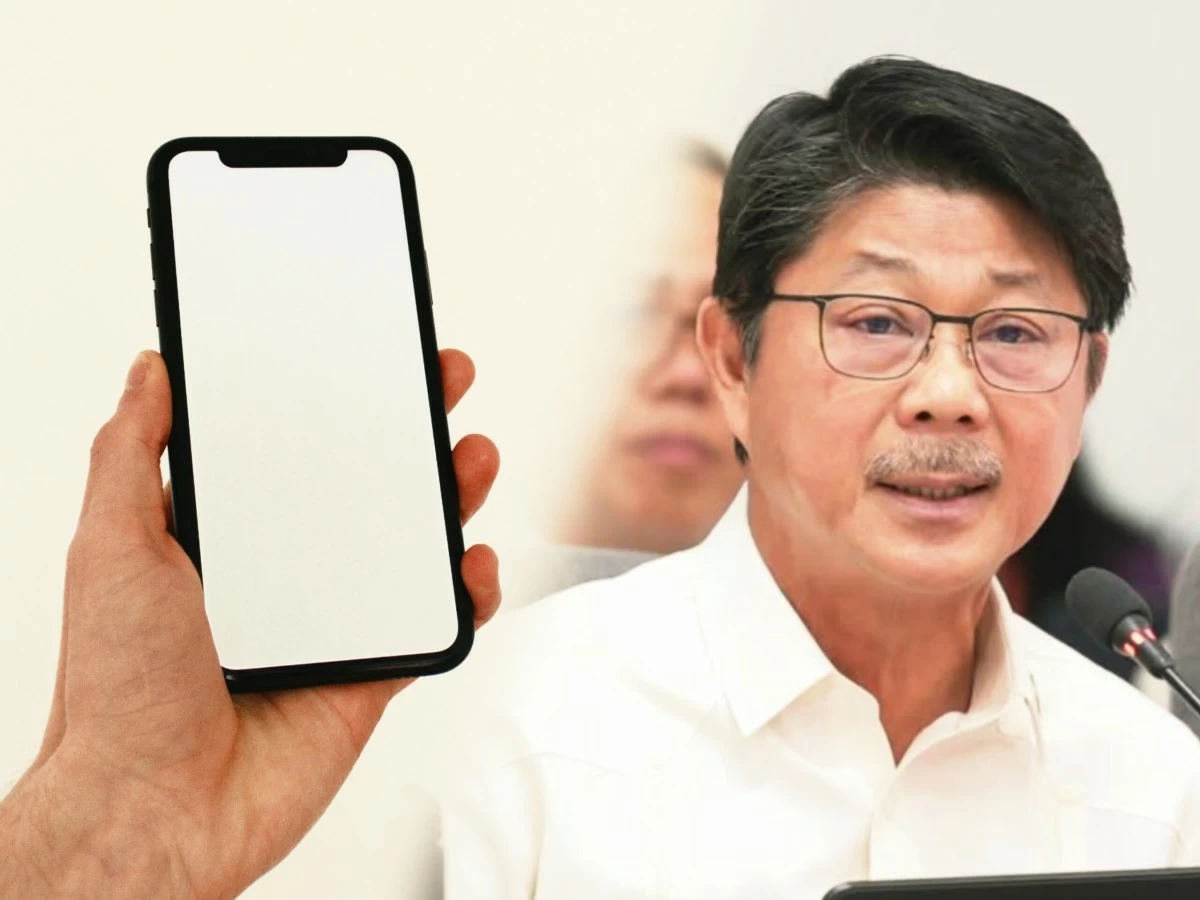
House Speaker Isabela 6th district Rep. Faustino "Bojie" Dy III (Unsplash, Facebook)


House Speaker Isabela 6th district Rep. Faustino "Bojie" Dy III highlighted the positive impact to education that House Bill (HB) No. 9532, or the proposed “Universal Access to Digital Academic Learning Resources Act" could potentially bring.
This, as Dy welcomed the recent passage of the measure on third and final reading in the House of Representatives.
If enacted, HB No. 9532 would give students in public and private higher education institutions free access to digital textbooks and other academic resources, as well as free high-speed wi-fi on their campuses.
“Today, a student who cannot afford textbooks or reliable internet access is already starting at a disadvantage. Isipin natin ang isang estudyante na kailangang mamili kung bibili ng libro at magpapaload para makapag-research, o gagamitin ang pera para sa pamasahe at pagkain," Dy said.
(Let us imagine a student who must choose whether to buy a book and load credits to do research, or use the money for fare and food.)
"Through this bill, our youth do not need to make this painful choice,” underscored the Speaker.
Under HB No. 9532—passed on third reading on Wednesday with 202 affirmative votes, zero negative votes, and zero abstentions—a National Academic Content Repository (NACR) would be established under the Commission on Higher Education (CHED), in partnership with the Department of Information and Communications Technology (DICT) and higher education institutions.
It would provide students and faculty nationwide free online access to digital textbooks, lecture videos, syllabi, research papers, and open educational resources across different disciplines.
The measure also mandates free, campus-wide high-speed Wi-Fi for enrolled students and faculty in public and private HEIs, with priority given to rural and under-resourced campuses during its initial implementation.
The Internet service must be secure and designed to support access to the NACR and other academic services.
Access to technology is key
Dy say that the House recognizes that access to education today also means access to technology. "Hindi na puwedeng ang kalidad ng pag-aaral ng isang estudyante ay nakadepende sa kung kaya niyang bumili ng mamahaling libro o kung may sapat siyang pera para sa Internet.”
(Students’ quality of education should no longer depend on whether they can afford expensive books or if they have enough money for the Internet.)
The measure would also support the creation of Filipino academic content by providing grants for localized and open educational resources, while directing CHEd to work with local and international publishers to secure affordable or open-access arrangements. Faculty members would be encouraged to develop and share materials, with recognition and incentives for content used nationally.
Dy said the measure would help students while also strengthening the resources available to teachers and schools.
According to the Speaker from Isabela, “When a student in a rural campus can access the same quality academic materials available to a student in a major university, we begin to close the gap.
"When our teachers can create and share Filipino learning materials nationwide, we strengthen the entire higher education system.”
Dy stressed that expanding digital access is particularly important as technology becomes increasingly integral to learning, research and employment.
“Young Filipinos are preparing for a world where digital skills are no longer optional. We have to make sure that lack of money, connectivity, or access to learning materials does not prevent a capable Filipino student from reaching his or her potential,” he further said.

Related Tags

Faustino \"Bojie\" Dy III Third and final reading House of Representatives Universal Access to Digital Academic Learning Resources Act
ADVERTISEMENT
.most-popular .layout-ratio{ padding-bottom: 79.13%; } @media (min-width: 768px) and (max-width: 1024px) { .widget-title { font-size: 15px !important; } }

{{ articles_filter_1561_widget.title }}

.most-popular .layout-ratio{ padding-bottom: 79.13%; } @media (min-width: 768px) and (max-width: 1024px) { .widget-title { font-size: 15px !important; } }

{{ static_articles_1562_widget.title }}

.most-popular .layout-ratio{ padding-bottom: 79.13%; } @media (min-width: 768px) and (max-width: 1024px) { .widget-title { font-size: 15px !important; } }

{{ articles_filter_1563_widget.title }}

{{ articles_filter_1564_widget.title }}

.mb-article-details { position: relative; } .mb-article-details .article-body-preview, .mb-article-details .article-body-summary{ font-size: 17px; line-height: 30px; font-family: "Libre Caslon Text", serif; color: #000; } .mb-article-details .article-body-preview iframe , .mb-article-details .article-body-summary iframe{ width: 100%; margin: auto; } .read-more-background { background: linear-gradient(180deg, color(display-p3 1.000 1.000 1.000 / 0) 13.75%, color(display-p3 1.000 1.000 1.000 / 0.8) 30.79%, color(display-p3 1.000 1.000 1.000) 72.5%); position: absolute; height: 200px; width: 100%; bottom: 0; display: flex; justify-content: center; align-items: center; padding: 0; } .read-more-background a{ color: #000; } .read-more-btn { padding: 17px 45px; font-family: Inter; font-weight: 700; font-size: 18px; line-height: 16px; text-align: center; vertical-align: middle; border: 1px solid black; background-color: white; } .hidden { display: none; }
function initializeAllSwipers() { // Get all hidden inputs with cms_article_id document.querySelectorAll('[id^="cms_article_id_"]').forEach(function (input) { const cmsArticleId = input.value; const articleSelector = '#article-' + cmsArticleId + ' .body_images'; const swiperElement = document.querySelector(articleSelector); if (swiperElement && !swiperElement.classList.contains('swiper-initialized')) { new Swiper(articleSelector, { loop: true, pagination: false, navigation: { nextEl: '#article-' + cmsArticleId + ' .swiper-button-next', prevEl: '#article-' + cmsArticleId + ' .swiper-button-prev', }, }); } }); } setTimeout(initializeAllSwipers, 3000); const intersectionObserver = new IntersectionObserver( (entries) => { entries.forEach((entry) => { if (entry.isIntersecting) { const newUrl = entry.target.getAttribute("data-url"); if (newUrl) { history.pushState(null, null, newUrl); let article = entry.target; // Extract metadata const author = article.querySelector('.author-section').textContent.replace('By', '').trim(); const section = article.querySelector('.section-info ').textContent.replace(' ', ' '); const title = article.querySelector('.article-title h1').textContent; // Parse URL for Chartbeat path format const parsedUrl = new URL(newUrl, window.location.origin); const cleanUrl = parsedUrl.host + parsedUrl.pathname; // Update Chartbeat configuration if (typeof window._sf_async_config !== 'undefined') { window._sf_async_config.path = cleanUrl; window._sf_async_config.sections = section; window._sf_async_config.authors = author; } // Track virtual page view with Chartbeat if (typeof pSUPERFLY !== 'undefined' && typeof pSUPERFLY.virtualPage === 'function') { try { pSUPERFLY.virtualPage({ path: cleanUrl, title: title, sections: section, authors: author }); } catch (error) { console.error('ping error', error); } } // Optional: Update document title if (title && title !== document.title) { document.title = title; } } } }); }, { threshold: 0.1 } ); function showArticleBody(button) { const article = button.closest("article"); const summary = article.querySelector(".article-body-summary"); const body = article.querySelector(".article-body-preview"); const readMoreSection = article.querySelector(".read-more-background"); // Hide summary and read-more section summary.style.display = "none"; readMoreSection.style.display = "none"; // Show the full article body body.classList.remove("hidden"); } document.addEventListener("DOMContentLoaded", () => { let loadCount = 0; // Track how many times articles are loaded const offset = [1, 2, 3, 4, 5, 6, 7, 8, 9, 10]; // Offset values const currentUrl = window.location.pathname.substring(1); let isLoading = false; // Prevent multiple calls if (!currentUrl) { console.log("Current URL is invalid."); return; } const sentinel = document.getElementById("load-more-sentinel"); if (!sentinel) { console.log("Sentinel element not found."); return; } function isSentinelVisible() { const rect = sentinel.getBoundingClientRect(); return ( rect.top < window.innerHeight && rect.bottom >= 0 ); } function onScroll() { if (isLoading) return; if (isSentinelVisible()) { if (loadCount >= offset.length) { console.log("Maximum load attempts reached."); window.removeEventListener("scroll", onScroll); return; } isLoading = true; const currentOffset = offset[loadCount]; window.loadMoreItems().then(() => { let article = document.querySelector('#widget_1690 > div:nth-last-of-type(2) article'); intersectionObserver.observe(article) loadCount++; }).catch(error => { console.error("Error loading more items:", error); }).finally(() => { isLoading = false; }); } } window.addEventListener("scroll", onScroll); });

Sign up by email to receive news.