






Manila Bulletin
 Philippines
Mindanao
Tambobong eagle habitat in Davao City awaits Indigenous consultation
Philippines
Mindanao
Tambobong eagle habitat in Davao City awaits Indigenous consultation
Philippines
Mindanao
Tambobong eagle habitat in Davao City awaits Indigenous consultation
Tambobong eagle habitat in Davao City awaits Indigenous consultation
By Ivy Tejano
Published Aug 12, 2026 11:11 pm


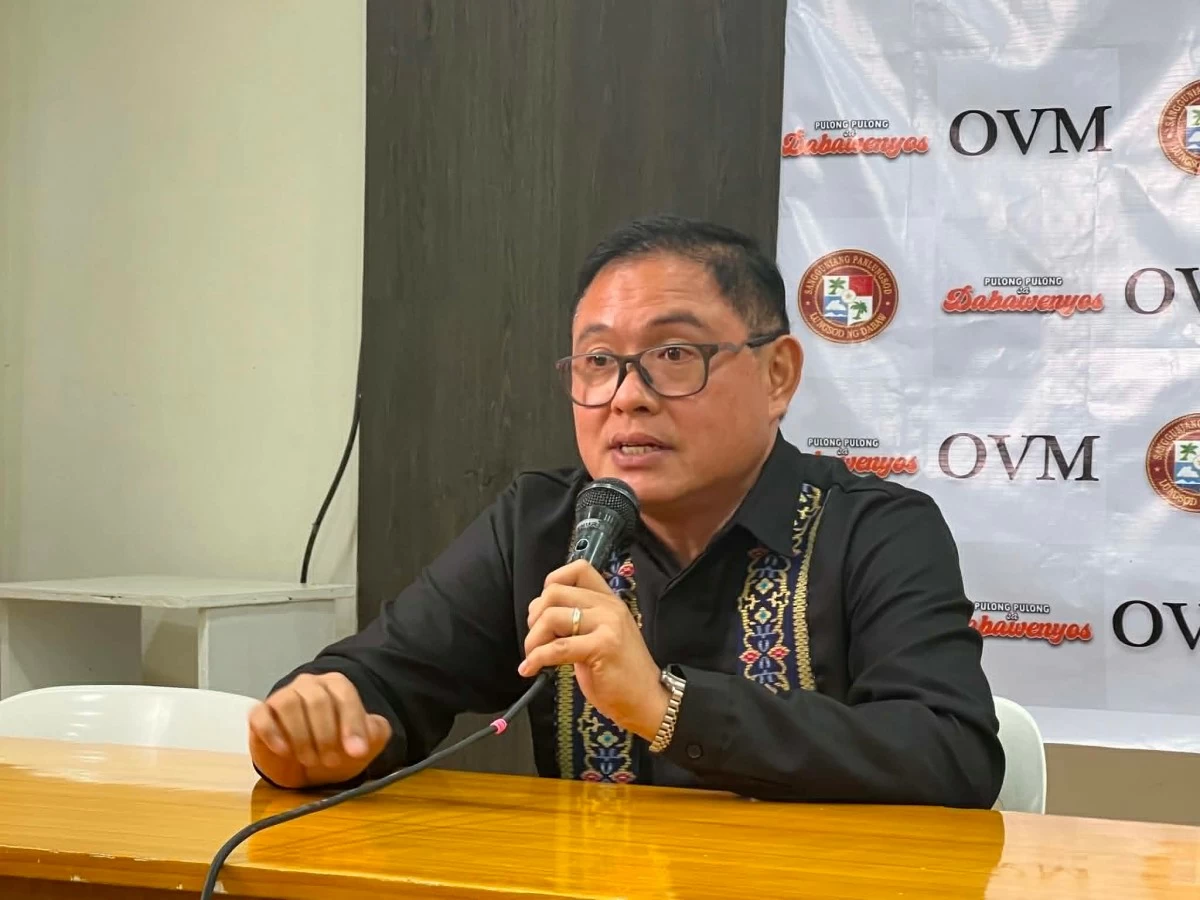
Councilor Temujin Ocampo, chairperson of the Committee on Environment and Natural Resources, speaking at the Pulong-Pulong sa Dabawenyos media forum at Sangguniang Panlungsod in Davao City on Tuesday afternoon, August 11. (Photo via Ivy Tejano)
DAVAO CITY – A Davao City councilor said the proposed declaration of about 2,964 hectares in Barangay Tambobong in Baguio District as a Philippine Eagle critical habitat remains on hold pending further consultations with Indigenous communities.
Councilor Temujin Ocampo, chairperson of the Committee on Environment and Natural Resources, said the proposal was referred back to the Watershed Management Council after two Indigenous groups claimed it was not properly consulted.
The Watershed Management Council endorsed the proposal after four Philippine Eagle nesting sites were identified along the Panigan-Tamugan Watershed, a critical habitat for the Philippine Eagle.
WMC described the site in the Baguio District as having largely undisturbed forests and waterways and as home to many species found only in the area. It is also an important cultural and spiritual site for the Obu Manuvu.
Ocampo said the WMC will work with the National Commission on Indigenous Peoples, concerned Indigenous groups, and other agencies to resolve the consultation and technical issues before the proposal moves forward.
"After the concerns are addressed, the WMC can make a new recommendation for the City Council to consider the declaration through a joint committee with the Indigenous People, Cultural Communities, and Muslim Affairs," Ocampo told reporters.
The councilor clarified that the area along the Panigan-Tamugan Watershed is already protected through existing city ordinances, the Comprehensive Land Use Plan, and other national environmental laws.
However, Ocampo said, a formal critical-habitat declaration would provide an additional layer of protection and specifically recognize the area as an important nesting and conservation site for the Philippine Eagle.
"The declaration could also lead to a more focused management plan and provide opportunities for additional funding and technical support to protect the Philippine Eagle and other threatened species," he added.
Ocampo said the recent sighting of a juvenile Philippine Eagle further supports the need to declare Tambobong a critical habitat. At the same time, Indigenous residents will stay to help protect the area.
The councilor stressed that the rights of Indigenous communities and existing settlements in the area will be respected. However, further expansion and large-scale development would be restricted due to the area's protection.
"Existing residents may continue activities necessary for daily life within permitted settlement areas, but cannot establish large plantations or commercial developments that could disturb the habitat," Ocampo said.
He said the city government, Philippine Eagle Foundation, barangays, Indigenous communities, and other groups are already helping protect the watershed. The Bantay Bukid personnel and other partners are strictly monitoring the area.
Councilor Demetrio Bolo Sr., chairperson of the Committee on Indigenous People, Cultural Communities, and Muslim Affairs, said Indigenous communities support environmental protection but stressed that their rights must also be respected.
Two Indigenous groups that attended the regular session of the city council had raised concerns about the lack of consultation and the possible impact of the proposed declaration on their settlements and the traditional use of the land.
Bolo stressed that the City Council should first address the concerns with the affected communities, the NCIP, the Watershed Management Council, and other agencies before taking final action to prevent further conflict.
Both councilors said that environmental protection and IPs' rights should be addressed together to protect the Philippine Eagle and the watershed while respecting the ancestral rights and traditional practices of Indigenous communities.
Ocampo stressed the need to protect the Panigan-Tamugan watershed, which supplies water to Davao City. He warned that clearing upland forests for subdivisions and other developments could reduce the watershed's ability to store and supply water.