ADVERTISEMENT

Electronics sector pushes reforms to turn Pax Silica into global tech hub

Published Aug 10, 2026 04:26 pm

The country’s electronics sector is pushing for reforms to position the Pax Silica artificial intelligence (AI) industrial hub in New Clark City as a launchpad to strengthen its role in the global supply chain for emerging technologies.

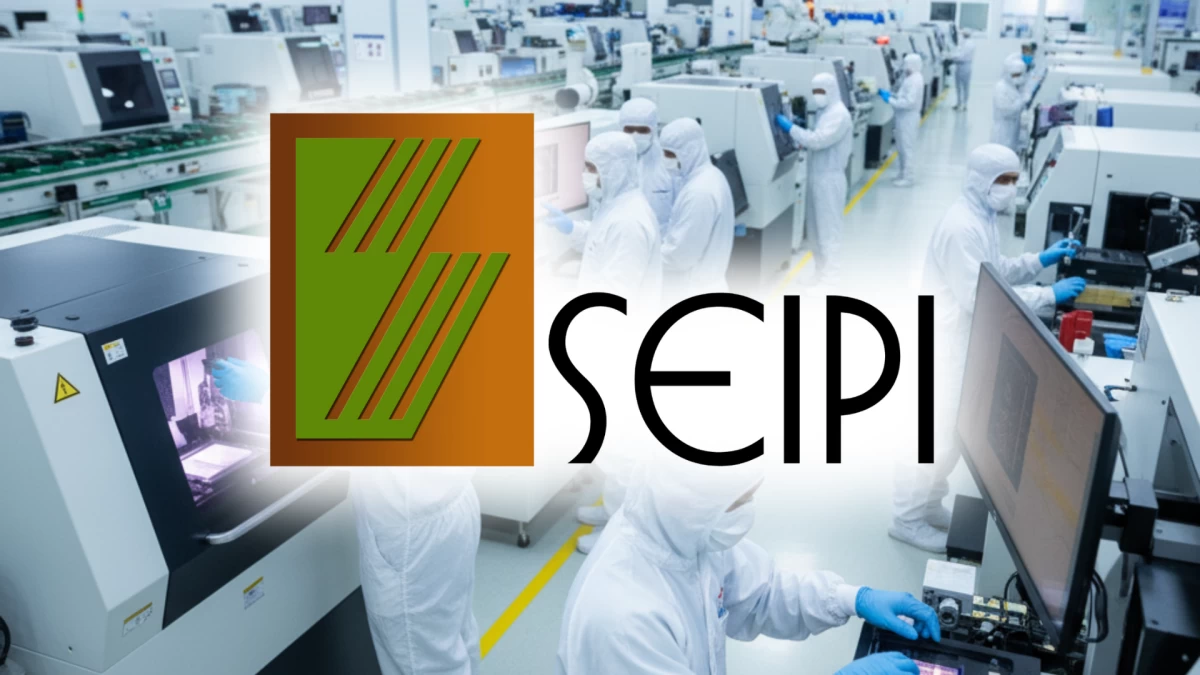
In a position paper, the Semiconductor and Electronics Industries in the Philippines Foundation Inc. (SEIPI) said the development of the industrial hub is a “strategic opportunity” to take the electronics sector to the next level.

“As global supply chains diversify, the Philippines has a timely opportunity to move beyond assembly and testing toward higher-value manufacturing, innovation, and technology development,” SEIPI said.

The proposed AI industrial hub in New Clark City in Tarlac province is being positioned as a major production zone for semiconductors and other electronics products as part of the Philippines’ commitment under the United States (US)-led Pax Silica initiative.

The industrial hub, which is overseen by the Philippines and the US, is on track to begin development in 2028. Once fully developed over 30 years, the project is expected to contribute as much as $200 billion in export value to the country.

To ensure that these benefits are realized, SEIPI said the government must advance both industrial competitiveness and responsible development in shaping the future operations of the industrial hub.

For one, the industry group said the project should be developed in full compliance with environmental laws and with sustainable water management systems that prioritize the water security of surrounding communities.

It also wants the industrial hub to generate quality jobs for Filipinos while ensuring that host communities benefit through employment, skills development, livelihood opportunities, and appropriate support measures for those affected by the project’s development.

Furthermore, SEIPI said all investments in the project should remain consistent with the country’s laws and established institutional processes to ensure that they are commercially viable and mutually beneficial.

“By embedding these principles into Pax Silica, the Philippines can demonstrate that economic competitiveness, environmental responsibility, community welfare, and national sovereignty are mutually reinforcing pillars of sustainable industrial development,” it said.

To achieve proper development of the industrial hub, SEIPI said it “should be developed not merely as another industrial estate, but as the flagship manufacturing ecosystem of the Luzon Economic Corridor (LEC).”

The industry group said the project should integrate advanced manufacturing, research and development, logistics, digital infrastructure, and supporting industries into a single industrial platform.

Through an integrated ecosystem, SEIPI said the industrial hub can position the country as a trusted manufacturing partner within global semiconductor and electronics value chains.

“SEIPI therefore supports the development of Pax Silica as the industrial anchor of [LEC], connecting New Clark City with Clark International Airport, the ports of Subic and Batangas, and other strategic logistics gateways,” it said.

SEIPI said this should be complemented by the development of world-class transport, logistics, digital, water, and power infrastructure, as well as stronger domestic supplier development and parts localization.

Equally important, according to SEIPI, is offering predictable policies, competitive investment frameworks, and stable business environments to encourage high-value investments to enter the country.

“SEIPI supports aligning the Philippines’ fiscal incentives with emerging international tax standards while preserving its attractiveness for technology-intensive investments,” it said.

The industry group added that long-term policy certainty through transparent regulations and institutional continuity should also be given priority to enhance investor confidence.

“By creating higher-value industries at home, the Philippines can retain skilled talent, encourage overseas Filipino professionals to return, and reduce long-standing brain drain,” said SEIPI.

Related Tags

Pax Silica New Clark City Semiconductor and Electronics Industries in the Philippines Foundation Inc. (SEIPI)
ADVERTISEMENT
.most-popular .layout-ratio{ padding-bottom: 79.13%; } @media (min-width: 768px) and (max-width: 1024px) { .widget-title { font-size: 15px !important; } }

{{ articles_filter_1561_widget.title }}

.most-popular .layout-ratio{ padding-bottom: 79.13%; } @media (min-width: 768px) and (max-width: 1024px) { .widget-title { font-size: 15px !important; } }

{{ static_articles_1562_widget.title }}

.most-popular .layout-ratio{ padding-bottom: 79.13%; } @media (min-width: 768px) and (max-width: 1024px) { .widget-title { font-size: 15px !important; } }

{{ articles_filter_1563_widget.title }}

{{ articles_filter_1564_widget.title }}

.mb-article-details { position: relative; } .mb-article-details .article-body-preview, .mb-article-details .article-body-summary{ font-size: 17px; line-height: 30px; font-family: "Libre Caslon Text", serif; color: #000; } .mb-article-details .article-body-preview iframe , .mb-article-details .article-body-summary iframe{ width: 100%; margin: auto; } .read-more-background { background: linear-gradient(180deg, color(display-p3 1.000 1.000 1.000 / 0) 13.75%, color(display-p3 1.000 1.000 1.000 / 0.8) 30.79%, color(display-p3 1.000 1.000 1.000) 72.5%); position: absolute; height: 200px; width: 100%; bottom: 0; display: flex; justify-content: center; align-items: center; padding: 0; } .read-more-background a{ color: #000; } .read-more-btn { padding: 17px 45px; font-family: Inter; font-weight: 700; font-size: 18px; line-height: 16px; text-align: center; vertical-align: middle; border: 1px solid black; background-color: white; } .hidden { display: none; }
function initializeAllSwipers() { // Get all hidden inputs with cms_article_id document.querySelectorAll('[id^="cms_article_id_"]').forEach(function (input) { const cmsArticleId = input.value; const articleSelector = '#article-' + cmsArticleId + ' .body_images'; const swiperElement = document.querySelector(articleSelector); if (swiperElement && !swiperElement.classList.contains('swiper-initialized')) { new Swiper(articleSelector, { loop: true, pagination: false, navigation: { nextEl: '#article-' + cmsArticleId + ' .swiper-button-next', prevEl: '#article-' + cmsArticleId + ' .swiper-button-prev', }, }); } }); } setTimeout(initializeAllSwipers, 3000); const intersectionObserver = new IntersectionObserver( (entries) => { entries.forEach((entry) => { if (entry.isIntersecting) { const newUrl = entry.target.getAttribute("data-url"); if (newUrl) { history.pushState(null, null, newUrl); let article = entry.target; // Extract metadata const author = article.querySelector('.author-section').textContent.replace('By', '').trim(); const section = article.querySelector('.section-info ').textContent.replace(' ', ' '); const title = article.querySelector('.article-title h1').textContent; // Parse URL for Chartbeat path format const parsedUrl = new URL(newUrl, window.location.origin); const cleanUrl = parsedUrl.host + parsedUrl.pathname; // Update Chartbeat configuration if (typeof window._sf_async_config !== 'undefined') { window._sf_async_config.path = cleanUrl; window._sf_async_config.sections = section; window._sf_async_config.authors = author; } // Track virtual page view with Chartbeat if (typeof pSUPERFLY !== 'undefined' && typeof pSUPERFLY.virtualPage === 'function') { try { pSUPERFLY.virtualPage({ path: cleanUrl, title: title, sections: section, authors: author }); } catch (error) { console.error('ping error', error); } } // Optional: Update document title if (title && title !== document.title) { document.title = title; } } } }); }, { threshold: 0.1 } ); function showArticleBody(button) { const article = button.closest("article"); const summary = article.querySelector(".article-body-summary"); const body = article.querySelector(".article-body-preview"); const readMoreSection = article.querySelector(".read-more-background"); // Hide summary and read-more section summary.style.display = "none"; readMoreSection.style.display = "none"; // Show the full article body body.classList.remove("hidden"); } document.addEventListener("DOMContentLoaded", () => { let loadCount = 0; // Track how many times articles are loaded const offset = [1, 2, 3, 4, 5, 6, 7, 8, 9, 10]; // Offset values const currentUrl = window.location.pathname.substring(1); let isLoading = false; // Prevent multiple calls if (!currentUrl) { console.log("Current URL is invalid."); return; } const sentinel = document.getElementById("load-more-sentinel"); if (!sentinel) { console.log("Sentinel element not found."); return; } function isSentinelVisible() { const rect = sentinel.getBoundingClientRect(); return ( rect.top < window.innerHeight && rect.bottom >= 0 ); } function onScroll() { if (isLoading) return; if (isSentinelVisible()) { if (loadCount >= offset.length) { console.log("Maximum load attempts reached."); window.removeEventListener("scroll", onScroll); return; } isLoading = true; const currentOffset = offset[loadCount]; window.loadMoreItems().then(() => { let article = document.querySelector('#widget_1690 > div:nth-last-of-type(2) article'); intersectionObserver.observe(article) loadCount++; }).catch(error => { console.error("Error loading more items:", error); }).finally(() => { isLoading = false; }); } } window.addEventListener("scroll", onScroll); });

Sign up by email to receive news.