






Manila Bulletin
 Philippines
National
More than negligence! Quimbo seeks House probe on non-working Marikina pumping stations
Philippines
National
More than negligence! Quimbo seeks House probe on non-working Marikina pumping stations
Philippines
National
More than negligence! Quimbo seeks House probe on non-working Marikina pumping stations
More than negligence! Quimbo seeks House probe on non-working Marikina pumping stations
Published Aug 10, 2026 12:12 pm


At A Glance
- Rep. Miro Quimbo files House Resolution No. 1342 to investigate the non‑operation of Tumana and Iwahig pumping stations during Aug. 9 flooding.
- Inspections find the facilities unattended and non‑functional, raising accountability issues for contractor J.D. Legaspi Construction and DPWH‑UPMO oversight.
- The House inquiry seeks to determine causes, establish responsibility, and recommend preventive measures.
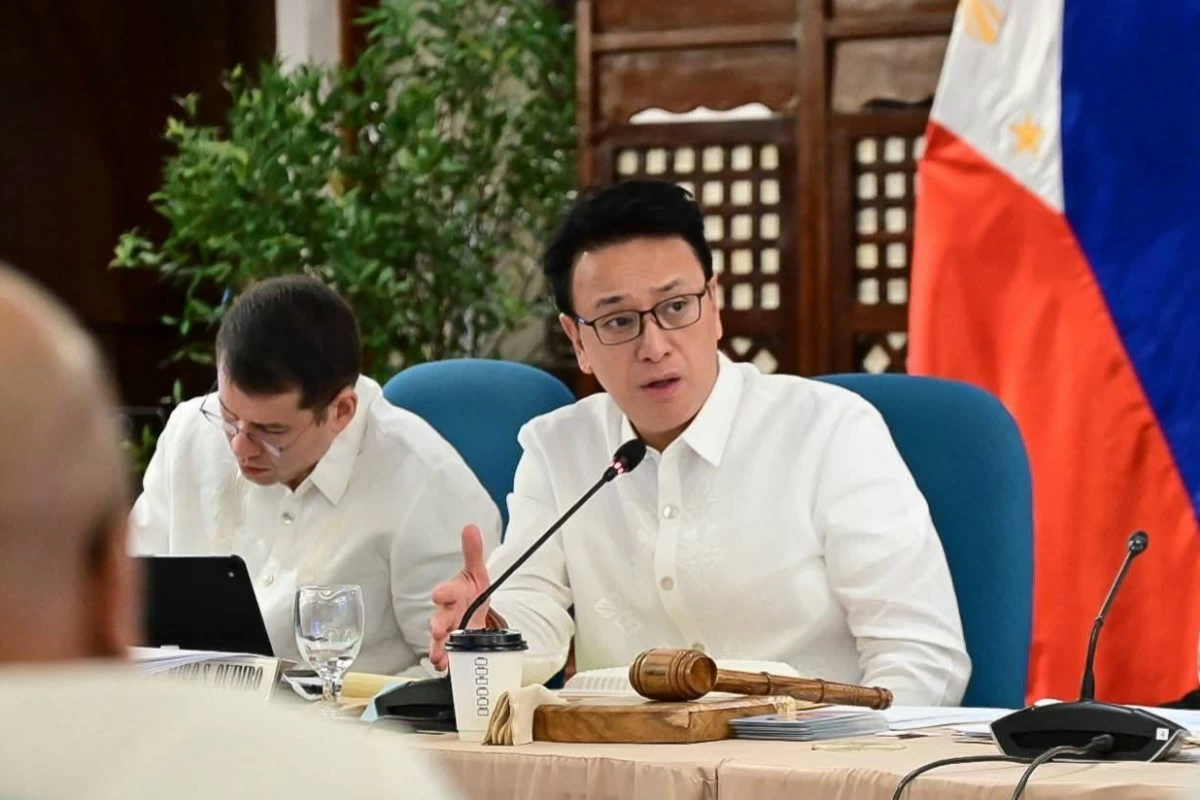
Marikina City 2nd district Rep. Miro Quimbo (Facebook)
Wasting no time, Marikina City 2nd district Rep. Miro Quimbo has formally sought a congressional inquiry into the non-operation of the Tumana and Iwahig pumping stations during the onslaught of the Southwest Monsoon or Habagat.
Quimbo filed House Resolution (HR) No. 1342 on Monday, Aug. 10, a day after he personally led inspections at the these pumping stations only to discover them unattended and not working.
The resolution directed the appropriate House committee to conduct an inquiry in aid of legislation to determine the cause of the pumping stations’ non-operation and establish accountability for the contractor and operator, J.D. Legaspi Construction.
“This is precisely when flood-control infrastructure should be working—not sitting idle or unattended while our people are facing rising floodwaters,” Quimbo said.
“This incident is more than just negligence, this is blatant betrayal of public trust,” said the House Committee on Ways and Means chairman.
The measure noted that Barangay Tumana, the second-most populated barangay in Marikina City with 49,950 residents, has historically been among the communities most vulnerable to flooding.
The Tumana and Iwahig pumping stations were established by the Department of Public Works and Highways-Unified Project Management Office (DPWH-UPMO) to help manage and reduce flooding in Tumana and adjacent communities, particularly during intense rainfall and rising water levels in the Marikina River.
However, residents reported on Aug. 9 that the two pumping stations were not functioning as floodwaters entered streets and homes.
Following the reports, an on-site inspection found that the facilities appeared non-operational and unattended, with no personnel of construction company present at the site.
He said the situation raises serious questions regarding the contractor’s compliance with its obligations, the adequacy of DPWH UPMO oversight, the reliability of maintenance arrangements, and the readiness of flood-control infrastructure during emergencies.
“What happened in Tumana raises a very basic question: when our communities needed these pumping stations the most, why were they not operating?” the veteran solon pointed out.
“Flood-control infrastructure is not just another government facility. It is there to protect lives, homes, livelihoods, and property. It cannot be left unattended or neglected precisely when the flood risk is highest,” he added.
Under the resolution, the House inquiry will seek to determine the cause of the non-operation of the Tumana and Iwahig pumping stations during the Aug. 9 flooding and determine the accountability of the contractor and operator.
Quimbo said the investigation should not only establish what happened during but also identify measures to prevent a similar failure of flood-control infrastructure in the future.