






Manila Bulletin
 Business
The Economy
Economists see tough road to stronger Philippine growth in second half
Business
The Economy
Economists see tough road to stronger Philippine growth in second half
Business
The Economy
Economists see tough road to stronger Philippine growth in second half
Economists see tough road to stronger Philippine growth in second half
Published Aug 10, 2026 12:00 am


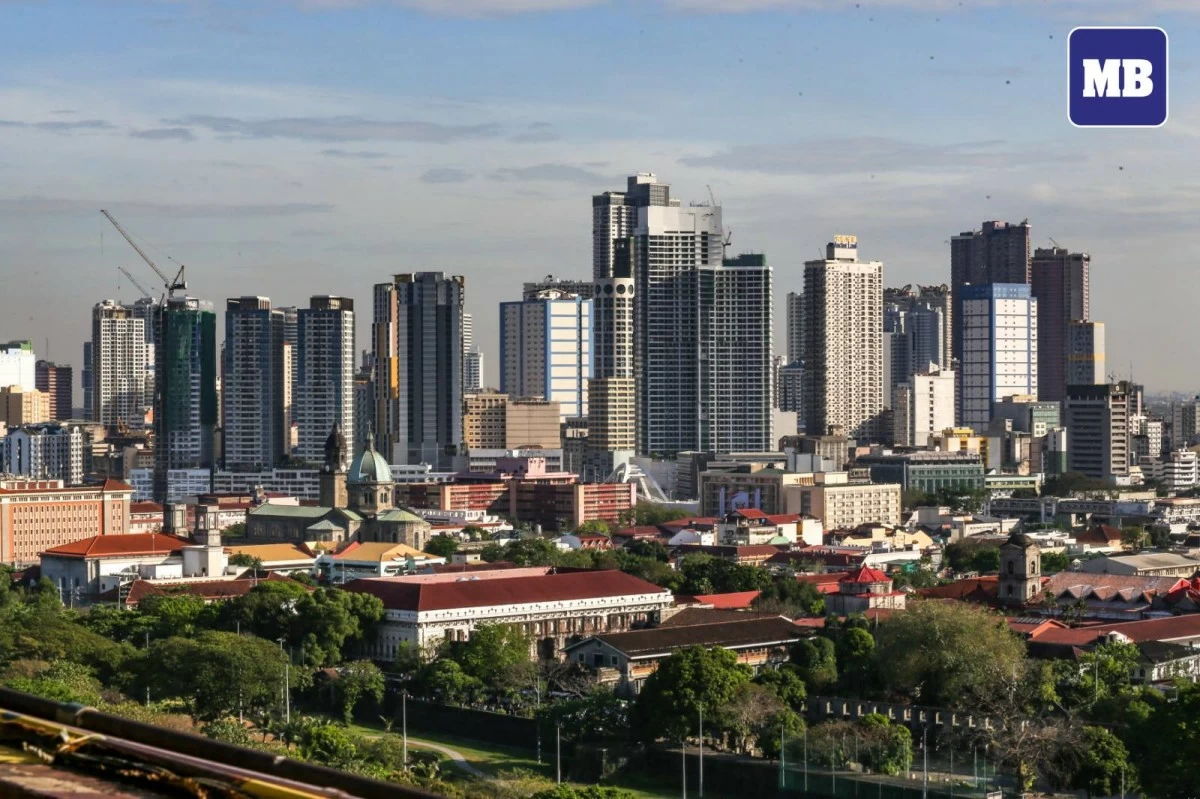
The Philippine economy faces an uphill battle in the second half of 2026 after posting its weakest post-pandemic growth, with private sector economists warning that faster infrastructure spending, easing inflation, and stronger investor confidence will determine whether the country can meet the government’s downgraded growth target.
Gross domestic product (GDP) expanded by just 2.3 percent in the second quarter, slowing further from 2.8 percent in the first quarter and marking the weakest quarterly growth since the first quarter of 2021.
Department of Economy, Planning, and Development (DEPDev) Secretary Arsenio M. Balisacan said last week that the economy would need to grow by 4.4 percent in the second half to achieve the lower end of the government’s downscaled 3.5- to 4.5-percent growth target for 2026.
Banks and think tanks broadly identified faster infrastructure spending as the biggest determinant of the second-half recovery.
Bank of the Philippine Islands (BPI) lead economist Emilio S. Neri Jr. said reinforcing infrastructure implementation and improving government budget execution would be necessary to revive investment after construction activity weakened sharply in the second quarter.
China Bank Corp. (Chinabank) Research and think tank Oxford Economics likewise expect public investment to improve if the Department of Budget and Management (DBM) accelerates fund releases and the Department of Public Works and Highways (DPWH) speeds up project awards and disbursements. Oxford Economics assistant economist Jun Hao Ng, however, warned that weak business sentiment and tighter scrutiny over infrastructure projects could continue to delay the recovery.
Capital Economics senior Asia economist Gareth Leather said the government’s anti-corruption campaign would likely continue to weigh on investment and construction, contributing to what the think tank expects to be only a gradual economic recovery in the coming months.
Pantheon Macroeconomics chief emerging Asia economist Miguel Chanco likewise said the end of the Independent Commission on Infrastructure (ICI) mandate would be no silver bullet for reviving public infrastructure projects, pointing to the continued weakness in government spending and construction. Rizal Commercial Banking Corp. (RCBC) chief economist Michael L. Ricafort, meanwhile, said catch-up infrastructure spending and governance reforms, including the proposed Citizen Access and Disclosure of Expenditures for National Accountability (CADENA) Bill, would help restore investor confidence.
Japanese financial giant MUFG Bank Ltd. also expects stronger infrastructure spending and improving business sentiment to support economic activity in the remaining months of 2026.
Inflation and monetary policy remain key challenges for the remainder of the year.
BPI, Singapore-based United Overseas Bank Ltd. (UOB), MUFG Global Markets Research, and RCBC all flagged persistent inflation risks, although their expectations for further Bangko Sentral ng Pilipinas (BSP) tightening vary.
MUFG expects further monetary tightening this year as inflation remains above target, while Pantheon Macroeconomics believes the weaker-than-expected GDP performance strengthens the case for the BSP to keep policy rates unchanged as headline inflation has begun easing. UOB likewise expects inflationary pressures to persist amid continued geopolitical uncertainty.
Economists also warned that external risks could complicate the recovery.
UOB said an 80- to 97-percent probability of a strong El Niño extending into the first quarter of 2027, together with persistent Middle East tensions, could weaken agricultural output, accelerate food inflation, and dampen consumer spending. Oxford Economics and RCBC likewise identified El Niño, elevated energy prices, and geopolitical tensions among the biggest downside risks facing the economy for the rest of the year.
Despite the challenges, several economists also identified potential growth drivers for the second half.
BPI said exports continue to benefit from robust global demand for semiconductors linked to artificial intelligence (AI), while Chinabank Research said the resumption of Philippine Economic Zone Authority (PEZA) accreditation of new economic zones in Metro Manila could provide additional momentum to the information technology and business process management (IT-BPM) sector. - Danielle T. Bayani