







Electrical engineers warn system losses can never be zero
Published Aug 5, 2026 03:48 pm


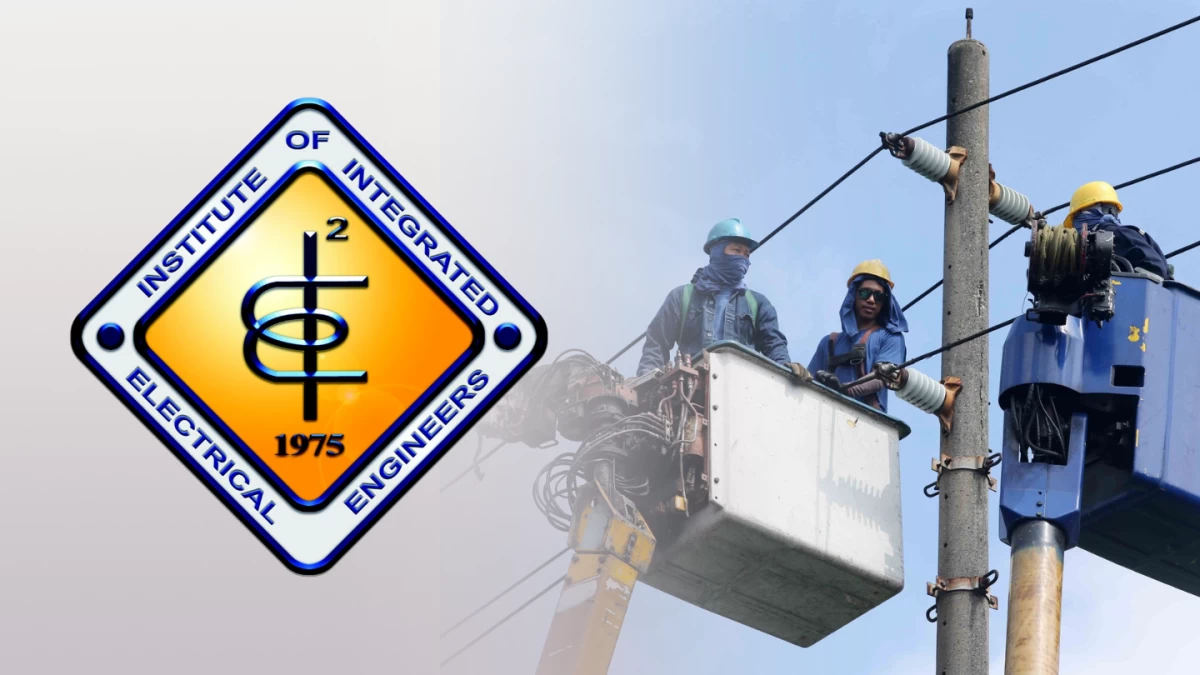
The Institute of Integrated Electrical Engineers of the Philippines (IIEE) is demanding a formal role in the ongoing review of the country’s landmark power legislation, arguing that a quarter-century of regulation must be updated to align with modern engineering standards while safeguarding consumer electricity rates.
In a position paper released this week, the professional body called on energy regulators to transition toward performance-based engineering frameworks as Congress re-evaluates the Electric Power Industry Reform Act (EPIRA).
IIEE argued that adopting objective regulatory mechanisms would enhance system reliability, technical efficiency, and asset utilization, enabling the grid to integrate newer energy technologies while insulating end-users from unjustified cost increases.
The primary focus of the IIEE’s submission is the treatment of system losses—the energy dissipated as electricity travels through transmission and distribution networks.
While policymakers have expressed desire to eventually strip system loss charges from monthly electricity bills, the IIEE cautioned that technical losses are an inescapable reality of physics.
Instead of an outright elimination, IIEE wants reforms that distinguish between unavoidable engineering losses and avoidable operational inefficiencies.
The goal, the group stated, is to establish a framework that balances consumer protection with utility sustainability and grid modernization.
IIEE noted that loss-reduction initiatives must ensure capital investments directly correspond to technical improvements and long-term economic value for end-users.
The ultimate engineering objective remains the continuous reduction of losses through superior system planning, infrastructure upgrades, sound design, proper operation, and effective maintenance.
Beyond loss management, the IIEE is pressing for accelerated grid modernization across the archipelago.
The group’s recommendations include the widespread deployment of Advanced Metering Infrastructure, smart grid applications, and voltage optimization technologies to strengthen overall network resiliency.
“The review of the EPIRA is an opportunity not only to revisit existing policies, but also to strengthen the regulatory framework through sound engineering principles and evidence-based decision-making,” IIEE said.
“While system loss remains an important issue, the broader objective is to continuously improve technical performance, network efficiency, reliability, and consumer value,” it added.