






 Entertainment
Movies and TV
Why Cinemalaya 2026 deserves a chance, even if you are not an indie film fan
Entertainment
Movies and TV
Why Cinemalaya 2026 deserves a chance, even if you are not an indie film fan
Why Cinemalaya 2026 deserves a chance, even if you are not an indie film fan
By Neil Ramos


At A Glance
- While political debates dominate everyday conversations in the Philippines, Cinemalaya 2026 offers a different kind of national conversation through films that reflect Filipino struggles, dreams and realities.
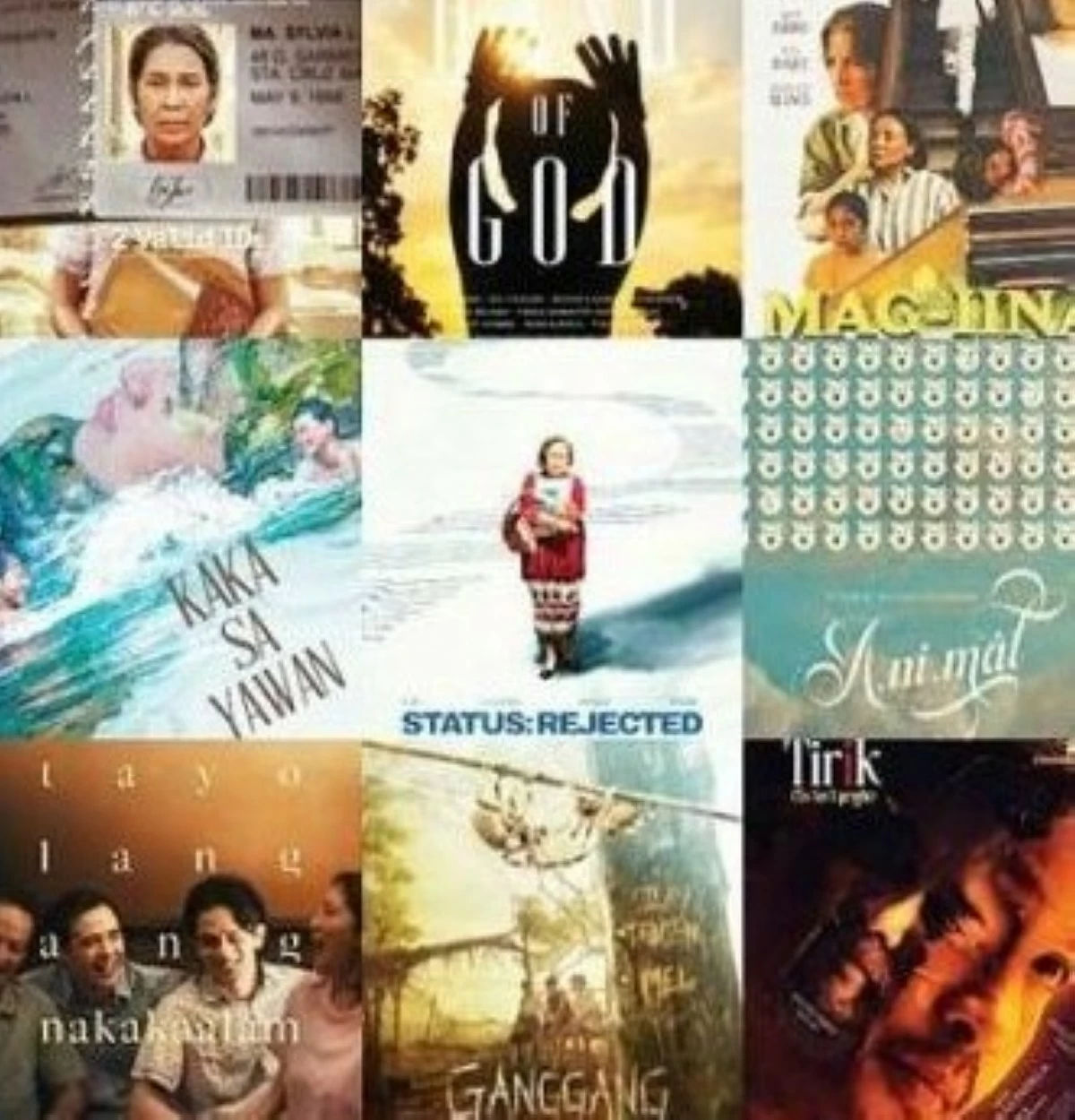
Around these parts, it is easy to get lost in the daily cycle of politics.
A new controversy trends. Another public debate takes over social media. Another headline pushes everything else aside.
Thankfully, somewhere in the middle of all that noise, a healthy, happy diversion. Filipino filmmakers continue creating stories that deserve attention.
That is where Cinemalaya comes in.
Now on its 22nd edition, the Philippine Independent Film Festival returns with films that prove local cinema is far from running out of stories. This year’s lineup features nine full-length films and 10 short films that explore everything from disability and family struggles to identity, grief, dreams and survival.
Mind, these are not stories that feel distant or overly complicated. They are stories about people we recognize.
A person trying to move through a city that was not designed for them. A worker fighting to keep a livelihood alive. Siblings holding on to what remains of their family. Young people searching for who they are. Families trying to heal from loss.
These are everyday Filipino experiences, brought to the big screen by filmmakers willing to look beyond the usual formulas.
That has always been the heart of Cinemalaya.
When the festival started in 2005, Philippine cinema was facing a difficult period. Audiences were growing tired of repetitive storylines, local films struggled against bigger productions, and many questioned whether the industry could recover.
Cinemalaya became one of the spaces that helped change that conversation.
Instead of waiting for established studios to take chances, the festival gave emerging filmmakers the opportunity to tell different kinds of stories. It became a training ground and launching pad for directors, writers and actors who later became major names in Philippine cinema.

More than two decades later, that mission continues.
The 2026 short film lineup alone shows the range of Filipino storytelling today.
Other films explore grief, identity, dreams and cultural roots, proving that independent cinema is not just about heavy social issues. It can also be funny, imaginative, emotional and deeply personal.
The challenge, however, remains the same.
Many Filipinos say they want better local movies, but independent films often struggle to find audiences. They do not always have the massive marketing campaigns of commercial releases. They may not feature the biggest stars. Sometimes, people dismiss them before giving them a chance.
But supporting films like these is also supporting the future of Philippine storytelling.
A country’s stories are shaped by the voices it chooses to listen to. When audiences show up for independent films, they make room for more filmmakers to take risks and tell stories outside the familiar formulas.
That is why Cinemalaya remains important, especially now.
At a time when public conversations are often dominated by arguments and political divisions, films create another way to understand each other. They allow people to see lives different from their own and recognize experiences they may have overlooked.
You do not have to be a film expert to appreciate Cinemalaya.
You only have to be curious about stories made by Filipinos, about Filipinos, and for Filipinos.