






Manila Bulletin
 Business
The Economy
Goldman Sachs: Philippine growth hits post-pandemic low on weak spending
Business
The Economy
Goldman Sachs: Philippine growth hits post-pandemic low on weak spending
Business
The Economy
Goldman Sachs: Philippine growth hits post-pandemic low on weak spending
Goldman Sachs: Philippine growth hits post-pandemic low on weak spending
By Derco Rosal
Published Aug 4, 2026 06:30 pm
|
Updated Aug 4, 2026 02:48 pm


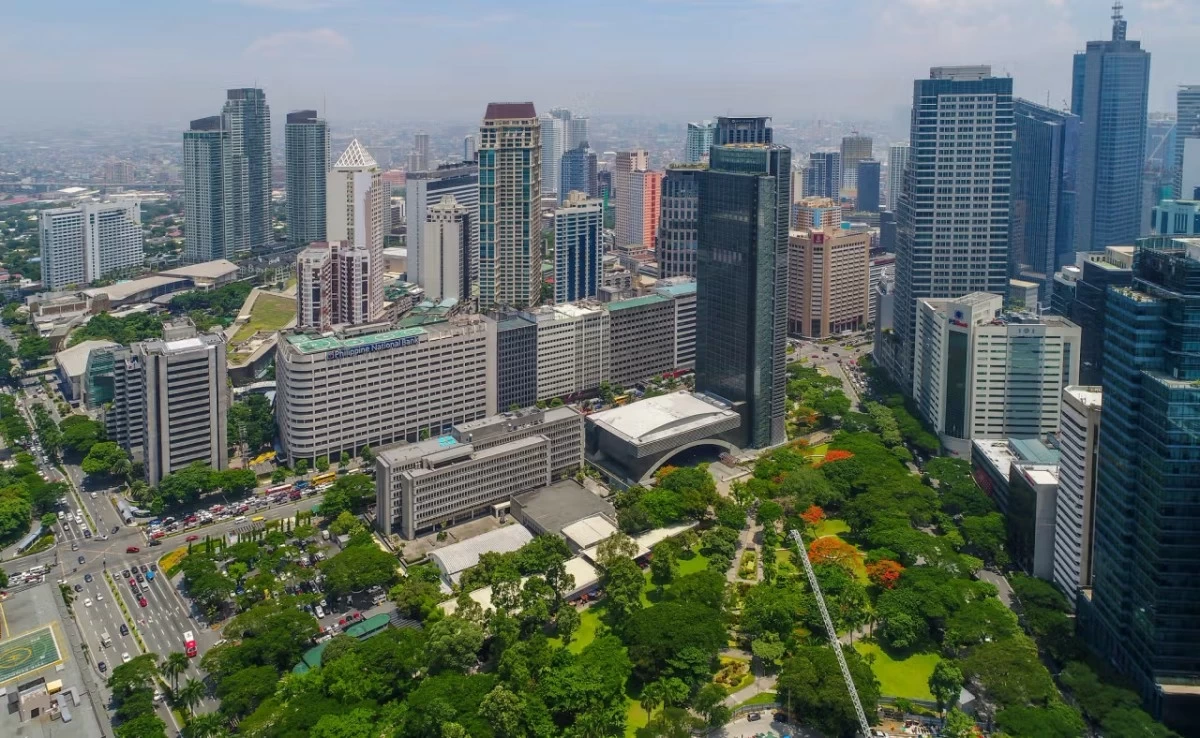
Economic growth in the second quarter of 2026 may have slowed further to a post-pandemic low as Filipinos pumped the brakes on borrowing and spending, while public expenditure remained lackluster.
In a report obtained by the Manila Bulletin, US financial giant Goldman Sachs Group Inc. noted that Philippine gross domestic product (GDP) growth likely decelerated to 2.7 percent in the second quarter from an already five-year low of 2.8 percent in the first quarter.
“High-frequency indicators point to softer consumer credit growth, suggesting that weaker sentiment is weighing on household spending,” wrote Hui Shan, chief China economist at Goldman Sachs.
Data from the Bangko Sentral ng Pilipinas (BSP) showed that domestic bank lending growth slowed to a four-month low in June as household and corporate borrowers adopted a more cautious stance, dampening overall credit demand.
Outstanding loans from universal and commercial banks (U/KBs) expanded by 9.8 percent in June, cooling from this year’s peak of 12.1 percent in May. This marked the slowest pace of expansion since February’s 9.6 percent print.
Household spending growth had already plunged to a five-year low of three percent in the first quarter.
Private spending was further constrained by elevated fuel costs, which ate into disposable income that might otherwise have gone toward discretionary purchases. “Higher fuel-related expenses are likely crowding out discretionary spending in other categories,” Hui Shan said.
Fuel prices turned highly volatile after US-Iran military hostilities flared up in late February, with no clear timeline for resolution. A recent re-escalation in conflict has triggered another surge in global oil prices.
The Philippines’ vulnerability to Middle East tensions stems from its status as a net oil importer, sourcing nearly all of its crude oil requirements from the Gulf region.
During periods of heightened conflict, the Strait of Hormuz—a vital chokepoint through which roughly a fifth of global oil supplies passes—faces serious risk of disruption, leaving oil-importing nations exposed to supply restrictions or blockades by Iran.
Goldman Sachs also highlighted that construction, typically a key growth driver, lost momentum during the period. “Construction activity also appears to have lost momentum, as elevated input costs continue to weigh on project execution,” the investment bank noted.
“Meanwhile, we see little evidence of a meaningful rebound in government capital expenditure, which remains well below its historical run rate,” it added.
Attention now turns to the government’s fiscal response as it tries to engineer a rebound from the late-2025 economic slowdown, when infrastructure spending was severely curtailed by a high-profile flood control corruption scandal.
This muted growth trajectory complicates the monetary authorities' policy stance, particularly as consumer prices remain elevated.
Goldman Sachs expects headline inflation to moderate to 6.1 percent in July. If realized, this would mark the slowest rate of price increases in three months, down from April's peak of 7.2 percent.
Meanwhile, core inflation—which excludes volatile food and energy components—is projected to remain unchanged from the two-and-a-half-year high of 4.4 percent recorded in June. Because persistent inflation continues to pressure household demand, the BSP faces a delicate balancing act heading into its policy meeting.
Since Middle East hostilities erupted in the first quarter, the BSP has raised its benchmark rate twice, bringing it to 4.75 percent. The Monetary Board will hold its fourth policy meeting of the year on Aug. 27, followed by sessions on Oct. 22 and Dec. 17.