






Manila Bulletin
 Lifestyle
Fashion and Beauty
Why vintage fashion finally feels at home in the department store
Lifestyle
Fashion and Beauty
Why vintage fashion finally feels at home in the department store
Lifestyle
Fashion and Beauty
Why vintage fashion finally feels at home in the department store
Why vintage fashion finally feels at home in the department store
Spatio at Opus Mall expands its retail concept with a curated selection of preloved fashion
By Rey Ilagan
Published Aug 3, 2026 12:47 am


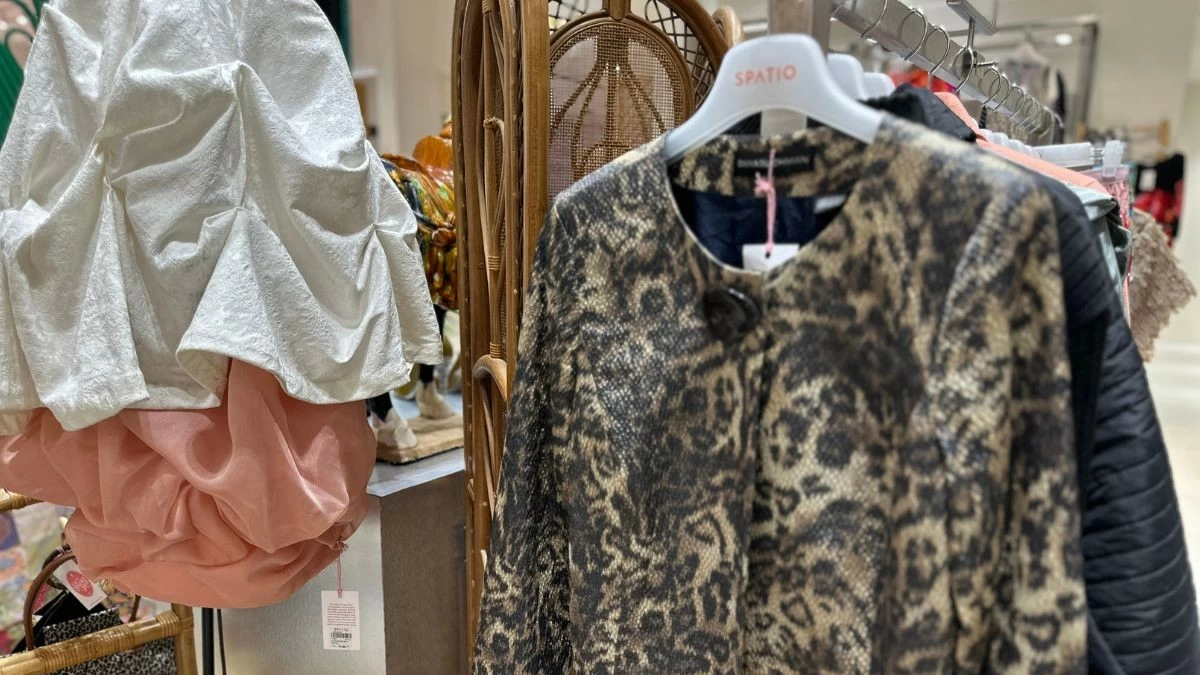
Vintage finds at Spatio (Photo: Rey Ilagan/Manila Bulletin)
There's an interesting shift happening in fashion retail today, and it isn't about the next “it” bag or the latest runway trend. It's about looking back.
Vintage and preloved fashion have quietly become one of the most exciting corners of the fashion market. More people are taking the time to hunt for archival pieces instead of buying brand new, spending hours researching collections, learning the history behind iconic designs, and searching for that one elusive item they've always wanted. Owning something unique has become just as important as owning something new. And this shift is now becoming impossible to ignore.
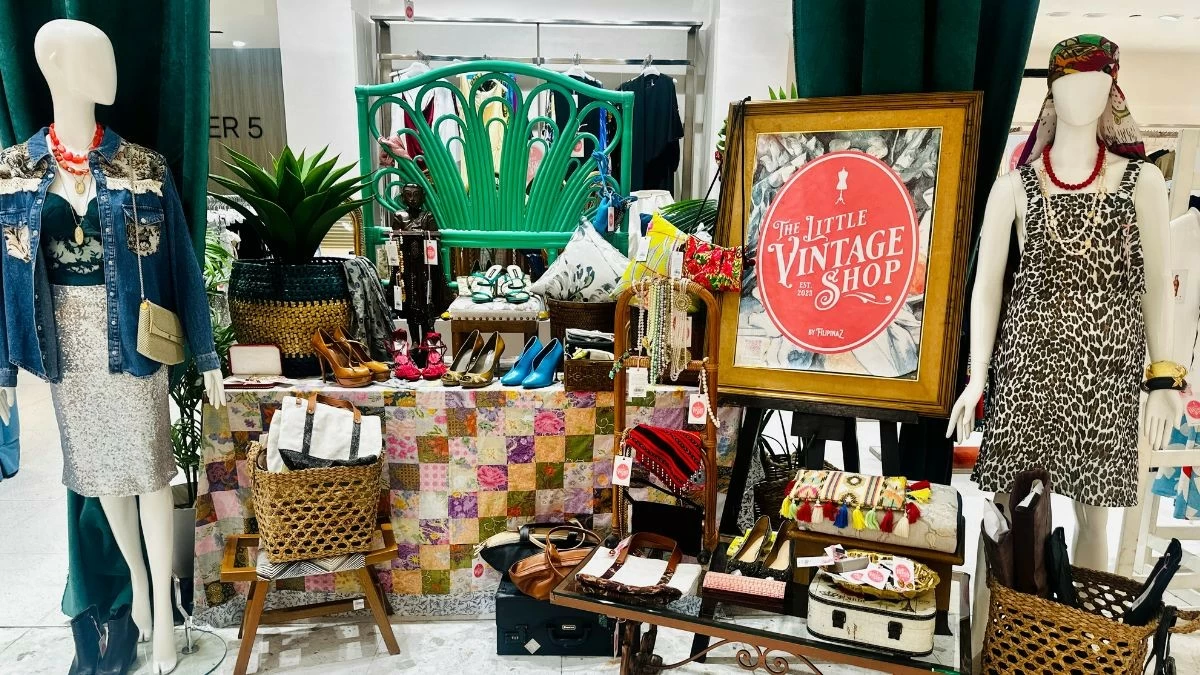
The Little Vintage Shop by FilipinaZ at Spatio (Photo: Rey Ilagan/Manila Bulletin)
Travelers now build entire itineraries around vintage shopping in Japan. Social media is flooded with live-selling sessions featuring everything from luxury bags and jackets to obscure designer jewelry and collectible accessories. What was once associated with thrift shopping has evolved into a sophisticated market where seasoned fashion collectors, first-time luxury buyers, and style enthusiasts all coexist.
Even luxury department stores have taken notice. During a trip to Paris, France last year, I found myself spending almost as much time browsing vintage spaces as I did the flagship boutiques. Printemps, Galeries Lafayette, and Le Bon Marche no longer treat pre-loved fashion as a niche category tucked away in a corner. These stores now dedicate entire floors to carefully curated vintage collections displayed with the same elegance as their newest designer arrivals.
Walking through those spaces felt less like shopping and more like treasure hunting. Every rack promised the possibility of discovering something that existed only once.
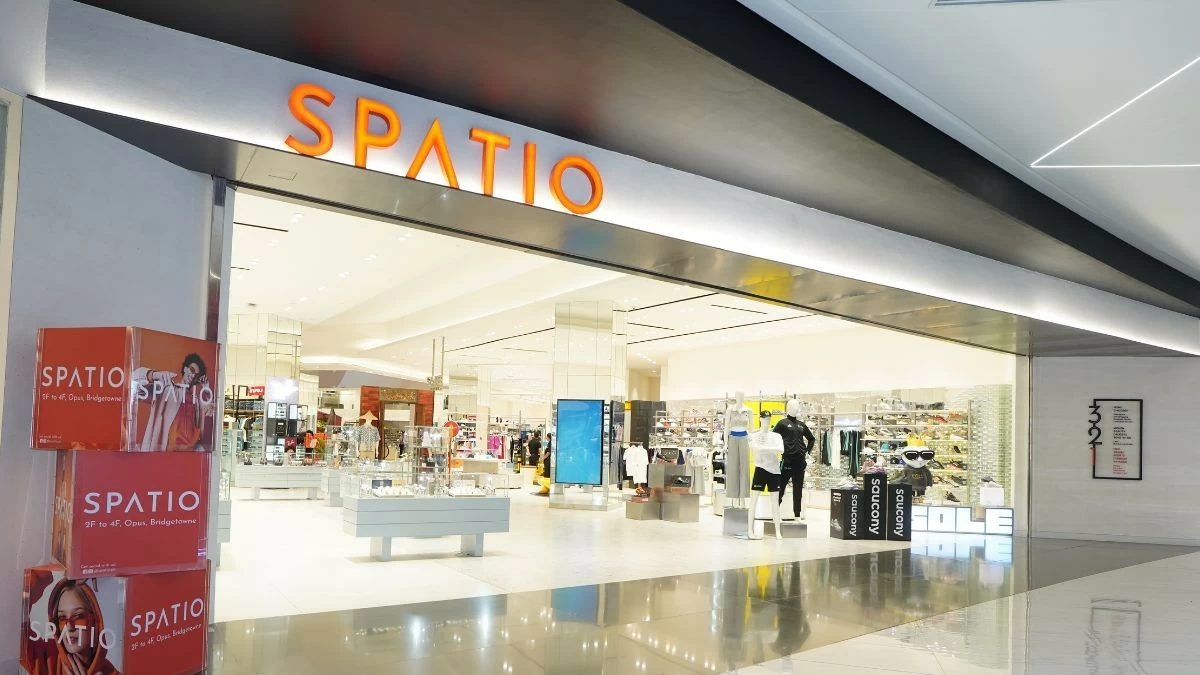
Spatio at Opus Mall (Photo: Spatio)
That experience came back to me recently while visiting Spatio at Opus Mall in Quezon City. The multi-brand concept store has quietly introduced dedicated vintage sections, and it was one of the biggest surprises during my visit. Beyond familiar luxury names were pieces you rarely encounter in local retail settings, including handbags crafted in exotic leathers alongside carefully selected archival finds.
It's a move that feels timely. "Retail is forever evolving and ever so dynamic,” says Martin de Leon, deputy general manager of Spatio. "The times have also shifted since the pandemic. Trends changed, and suddenly customer behavior changed as well. So we really had to find a way to evolve."
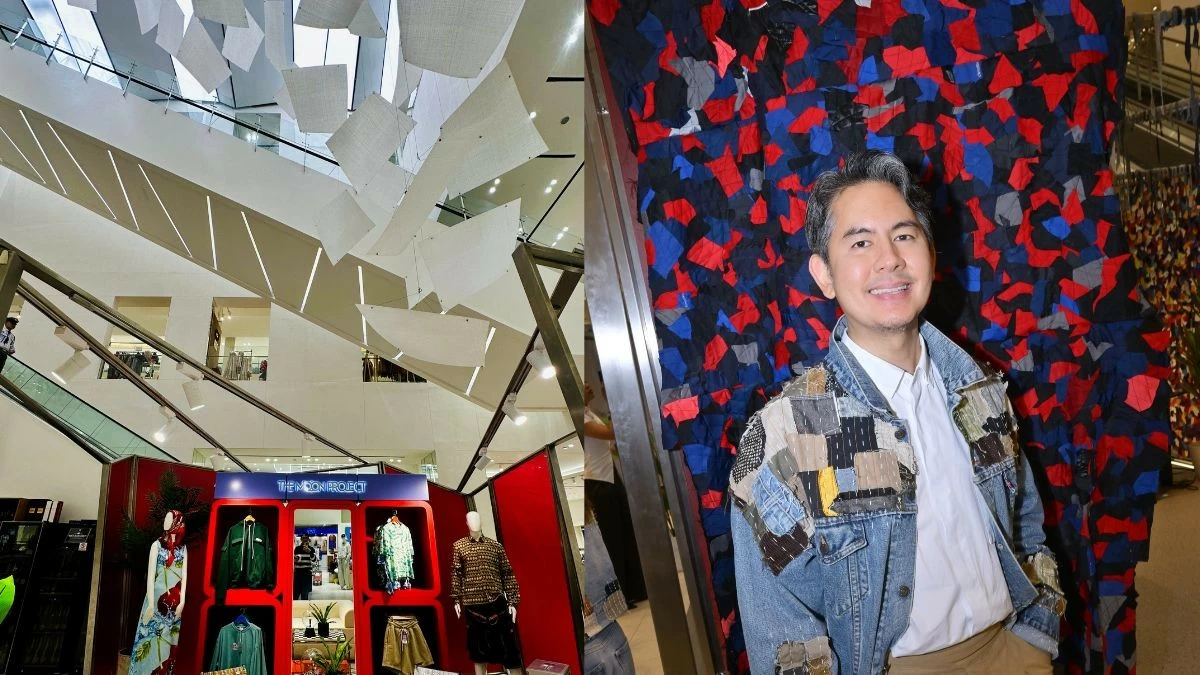
Martin de Leon, general manager of Spatio (Photo: Spatio)
That evolution naturally led to vintage. Initially launched as part of the store's Sustainability Month initiatives, the concept quickly proved that there was a growing appetite for thoughtfully sourced preloved fashion.
"There's a growing market, and I think that's a gap we need to fill," Martin says. “We have a segment of our target market made up of young consumers who are really all about responsible consumerism, sustainability, and circular fashion.”
For Spatio, however, vintage isn't simply another retail category. It builds upon ideas already present inside the store. Brands like Revibe, a local fashion label specializing in one-of-a-kind upcycled “artwear,” had been championing upcycled fashion long before the vintage section was conceived, sparking conversations about craftsmanship, responsible consumption, and giving materials a second life.
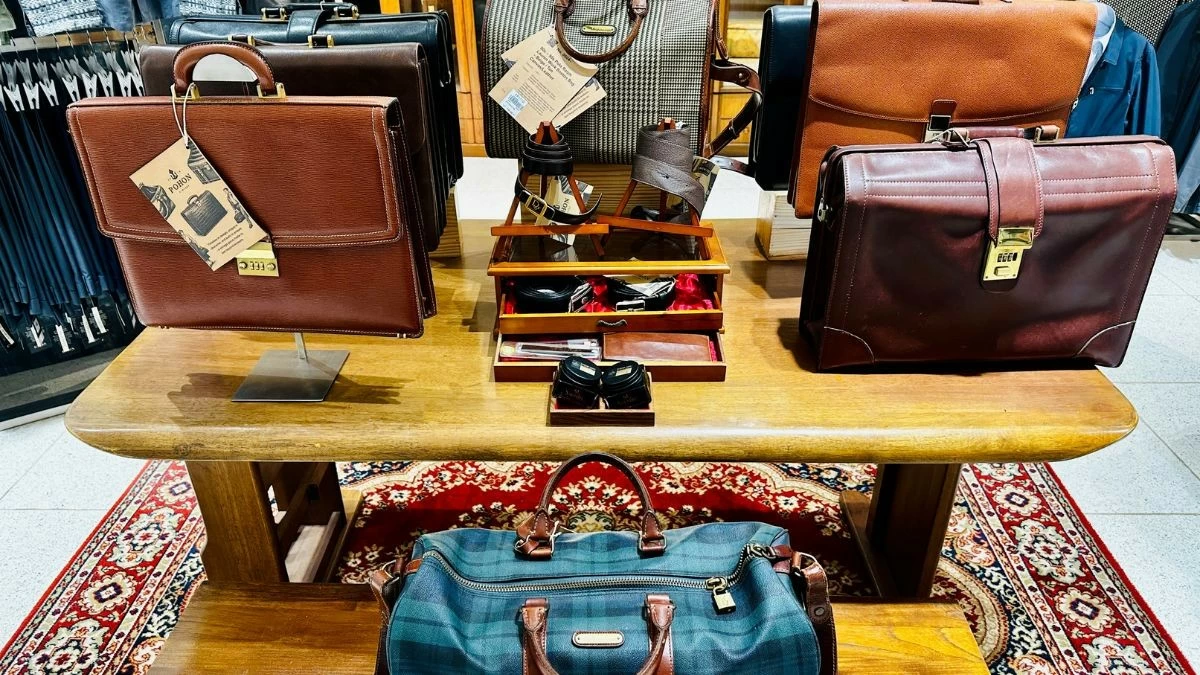
Preloved bags for men (Photo: Rey Ilagan/Manila Bulletin)
"I'm also new to it," Martin admits. "When we launched Revibe at Spatio, I wasn't the type who would wear upcycled items. But it's different when you hear from the makers and the artists themselves. It opens you up to a different perspective. It only takes that one purchase and it can change your perspective.”
That perspective now extends to vintage fashion. The current lineup includes Pohon Vintage and Little Vintage Shop by FilipinaZ, a project supported by the women of Zonta. Every purchase helps fund programs that empower and support women, including survivors of abuse, making it shopping with a purpose. Self-Trading Post is also set to join the lineup.
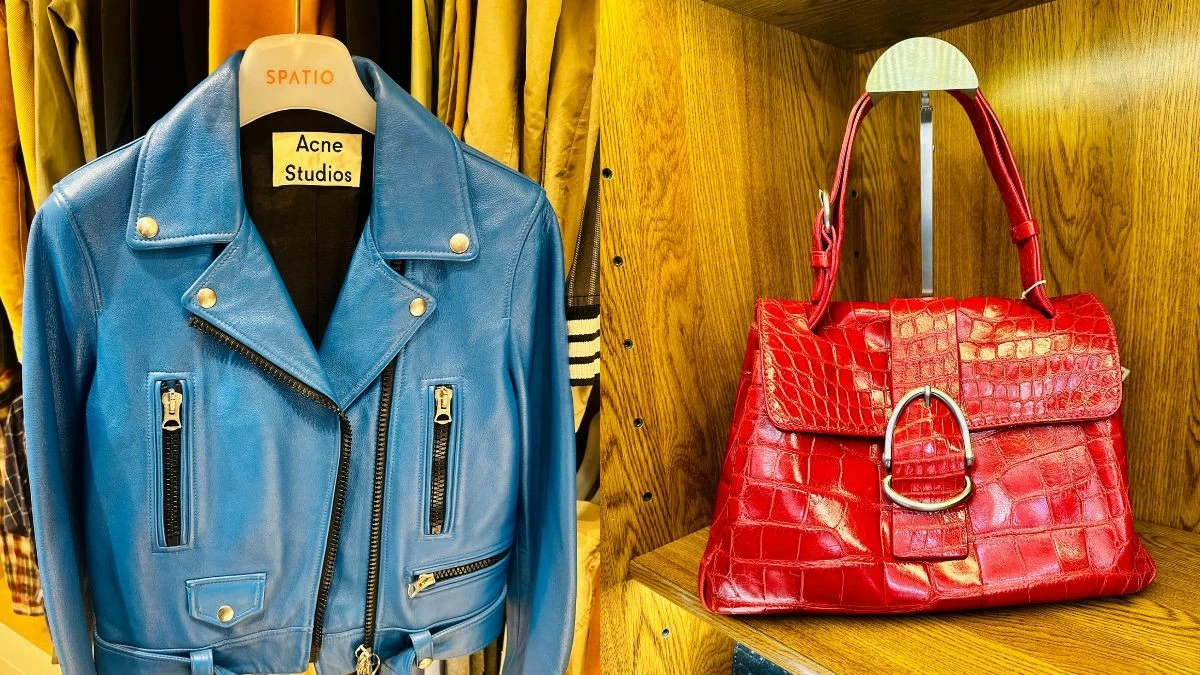
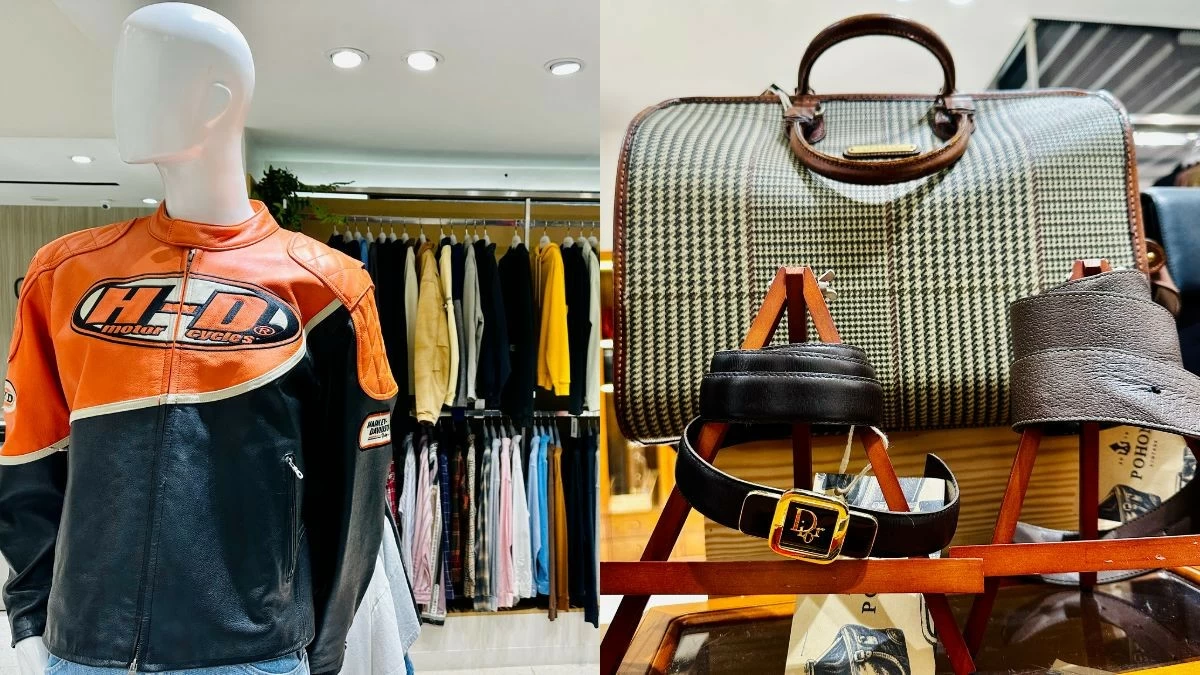
Leather clothes and exotic leather bags at Spatio (Photo: Rey Ilagan/Manila Bulletin)
"We're careful," Martin explains. "We don't want to be the typical 'ukay.' It has to be properly sourced. They have legitimate sources all around the world, and then we do another layer of curation. We want to create a vintage section that complements the store." And that distinction is important.
Vintage shopping today isn't simply about paying less. It's about finding something with character, craftsmanship, and history. Sometimes it's a discontinued handbag that has aged beautifully. Sometimes it's a jacket from a collection that defined an era. Other times, it's simply knowing that no one else is likely to walk into the room carrying exactly what you're carrying.
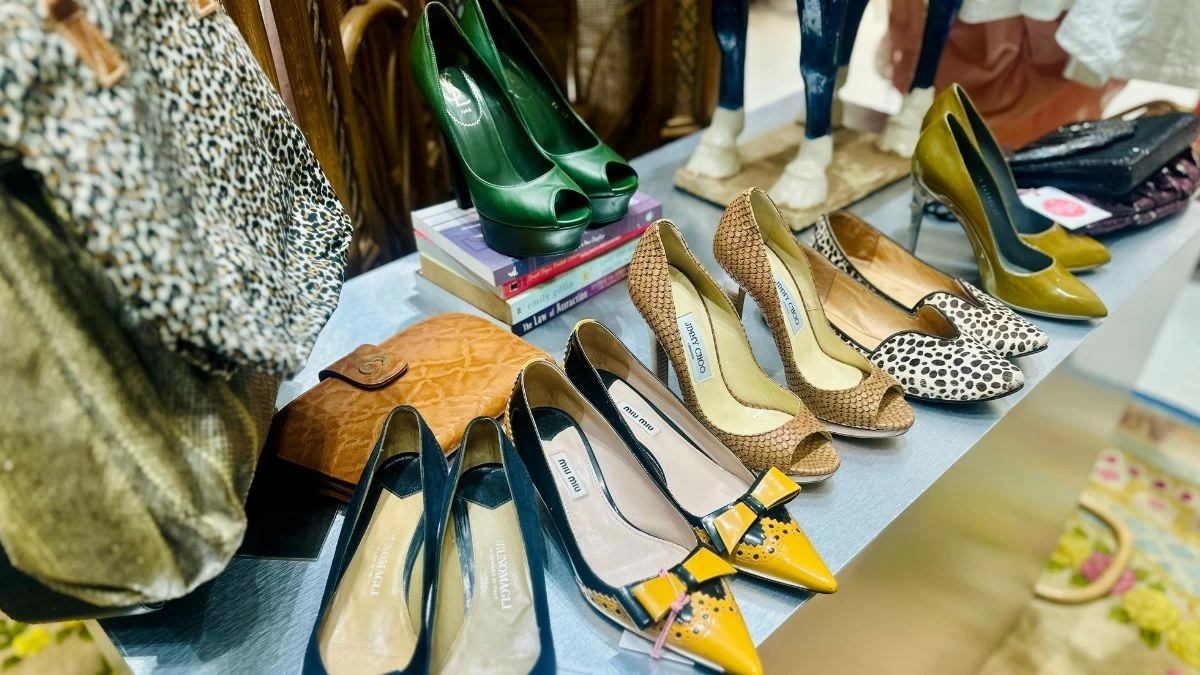
Vintage international luxury brands (Photo: Rey Ilagan/Manila Bulletin)
Since opening in 2024, Spatio has continued to reinvent itself. What began with around 20 local brands has grown into a community of more than 300 Filipino makers and designers, making it the country's largest curated destination for homegrown brands.
"We call it a multi-brand concept store," Martin says. "One minute a brand is in one section, then we can move it somewhere else, create concepts, create stories. That's precisely what we're championing now."
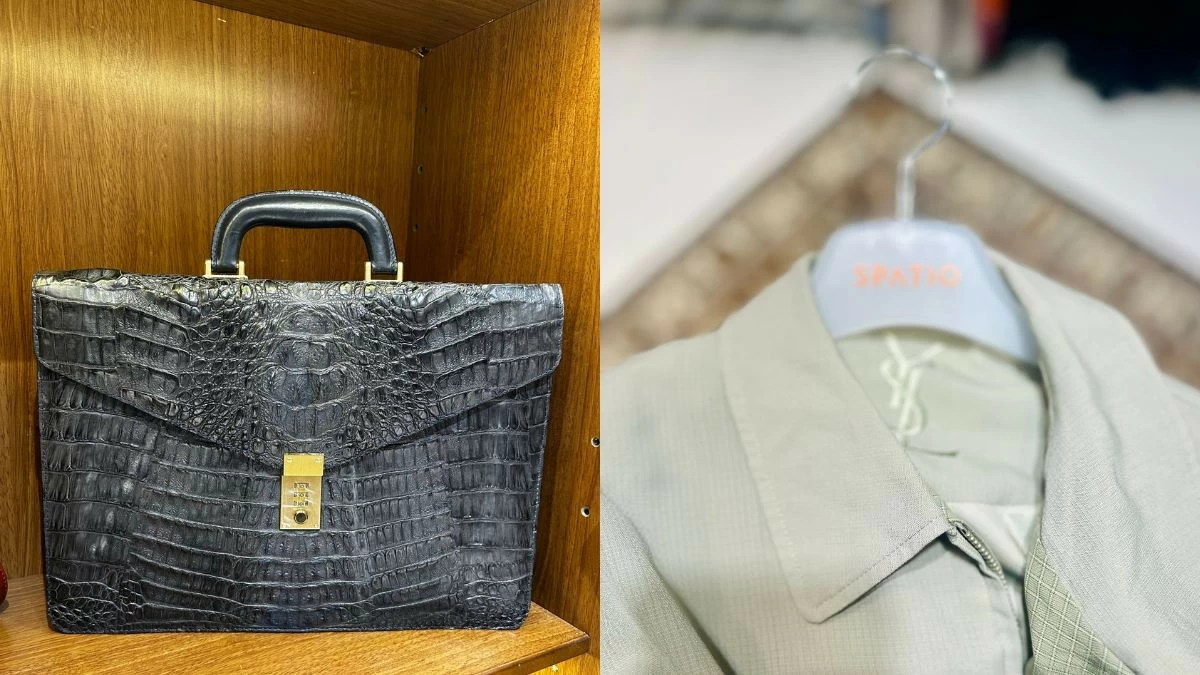
(Photo: Rey Ilagan/Manila Bulletin)
That flexibility continues throughout the store. Categories are becoming increasingly genderless, with displays arranged around stories instead of traditional departments. Local brands sit comfortably beside international labels, reflecting Spatio’s belief that Filipino brands deserve to be viewed on the same stage.
The evolution doesn't stop there. According to Martin, new collaborations are in development, while a new area will soon highlight handcrafted footwear inspired by Marikina's shoemaking heritage. On the upper floor, Common Room has expanded the lifestyle offering alongside dedicated sections for pets and home collections curated by Filipino designer Ito Kish.
(Photo: Rey Ilagan/Manila Bulletin)
Spatio continues to remind us that retail today isn't only about selling products. It's about creating experiences that reflect how people actually shop.
And perhaps that's why the store’s newest vintage space feels so relevant. Fashion and shopping has long been associated with what's next. But increasingly, some of the most exciting discoveries come from what's already been loved, worn, and given another chance to tell its story. Sometimes, the best new find isn't new at all.