







Creativity as capital: A new pathway to inclusive development
Published Aug 3, 2026 12:05 am
|
Updated Aug 2, 2026 04:06 pm


FROM THE MARGINS
For decades, the fight against poverty has focused on expanding access to financial services. Through microfinance, millions of low-income families have gained opportunities to save, borrow, insure themselves against risks, and build sustainable livelihoods. Yet experience has taught me that poverty is not simply a lack of money. It is also a lack of opportunity, confidence, voice, and hope.
This realization has led me to appreciate another form of capital that deserves greater attention. Alongside financial, human, and social capital, creativity is emerging as a form of capital that transforms ideas, culture, and talent into livelihoods and opportunities. In today's digital economy, creativity is not just artistic expression – it is an economic asset that can drive inclusive development.
During a recent Ka-Nayon episode with my co-host Roby Alampay, I had the privilege of discussing this idea with Christian "Ian" Lauron, SGV Financial Services Organization’s leader and business consulting partner, and Hugo "Boboy" Yonzon III, an award-winning filmmaker, writer, and visual artist. Our conversation affirmed that creativity is more than producing art; it is about unlocking people's potential to participate more fully in economic and social life.
Creativity as an economic asset
Unlike traditional industries that depend primarily on natural resources or manufacturing, the creative economy is powered by imagination, knowledge, innovation, and culture. Its greatest resource is not machinery or land but people themselves. Creativity becomes capital when it is developed, nurtured, and connected to opportunities, enabling individuals to create both economic and social value.
Recognizing creativity as a form of capital is one reason why we established BENTE Productions in 2024. Some have wondered why a microfinance institution would venture into filmmaking. The answer is simple: stories have the power to transform lives. Storytelling is more than a communication tool – it is an investment in people. By telling stories of resilience, preserving local culture, and giving voice to those who are often unheard, we strengthen the very communities we seek to serve.
BENTE’s films, I Remember You and Kusinerang Bulag, are more than stories on screen. They provide community members with a platform to tell their own stories, fostering dignity, inclusion, and a deeper appreciation of the resilience found in ordinary Filipino families.
This approach is intentionally grassroots. Rather than hiring many professional actors, we train microfinance clients to take on acting roles or even produce their own short films through initiatives such as SineMaya. Beyond preparing them for the camera, these experiences build confidence, digital literacy, and creative skills that carry over to their own enterprises. In this way, creativity becomes not only a means of expression but also a productive asset that creates new opportunities while strengthening existing livelihoods.
Microfinance meets the creative economy
If creativity is a form of capital, then microfinance institutions (MFIs) have an important role in helping it grow. Just as they have provided opportunities to millions of Filipinos, MFIs can also provide capital and help artisans, digital entrepreneurs, and tourism operators turn their talents into sustainable livelihoods.
The benefits extend well beyond individual entrepreneurs. Mr. Lauron noted that compelling stories help small enterprises gain visibility, attract customers, and connect with larger markets. For example, initiatives such as Mga Likha ni Inay have strengthened the branding of locally made products, while Hijos Tours has promoted community-based tourism that creates opportunities for homestay operators, transport providers, local guides, food vendors, and artisans.
Measuring development beyond income
Equally important is how we define success. Financial performance remains essential, but it tells only part of the story. True development is reflected in stronger families, safer homes, better education for children, healthier communities, and greater opportunities for future generations. These transformations take time, but they are the outcomes that matter most.
As discussed in the Ka-Nayon episode, development must be assessed through both financial and social indicators. Progress in housing quality, education, livelihoods, and asset ownership provides a richer picture of whether families are truly moving out of poverty. Numbers matter, but they should always be viewed alongside the stories that give them meaning.
The next frontier of inclusive development
Ultimately, financial capital opens doors, but creativity determines how far people can go once those doors are opened. When financial inclusion is combined with creative capital, people are empowered not only to earn more but also to innovate, preserve their culture, solve local problems, and shape their own futures.
As we continue advancing financial inclusion, we must also recognize creativity as an investment in people. Every community possesses ideas waiting to be discovered, stories waiting to be told, and talents waiting to flourish. When creativity is nurtured alongside access to finance, it becomes more than personal expression — it becomes capital for inclusive development. That, I believe, is one of the next frontiers in our continuing mission of poverty eradication.
* * *
“You can’t use up creativity. The more you use, the more you have.” – Maya Angelou
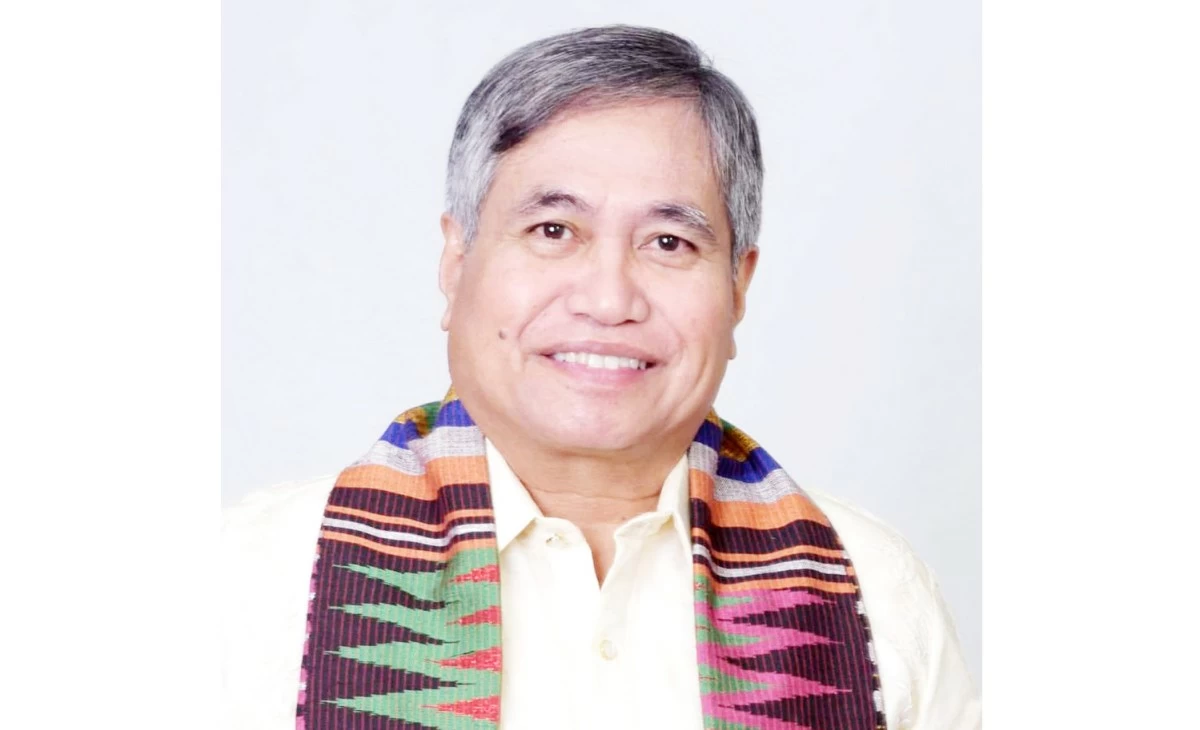
(Dr. Jaime Aristotle B. Alip is a poverty eradication advocate. He is the founder of the Center for Agriculture and Rural Development Mutually-Reinforcing Institutions (CARD MRI), a group of 23 organizations that provide social development services to 8 million economically-disadvantaged Filipinos and insure more than 27 million nationwide.)