






Manila Bulletin
 Philippines
National
PNP to boost police presence in remote schools under new education law
Philippines
National
PNP to boost police presence in remote schools under new education law
Philippines
National
PNP to boost police presence in remote schools under new education law
PNP to boost police presence in remote schools under new education law
Published Aug 1, 2026 05:33 pm


At A Glance
- The PNP has directed all police units to increase patrols and community policing activities around public schools in geographically isolated and disadvantaged areas (GIDAs) to help ensure the safety of learners and teachers.
- The security measures back the implementation of the Last Mile and GIDA Schools Act, which strengthens government support for public schools in remote and underserved communities through improved facilities, teacher support, and learning resources.
- PNP Chief Gen. Jose Melencio C. Nartatez Jr. said the police will continue working with the Department of Education, local government units, and community stakeholders to maintain peace and order in remote communities.
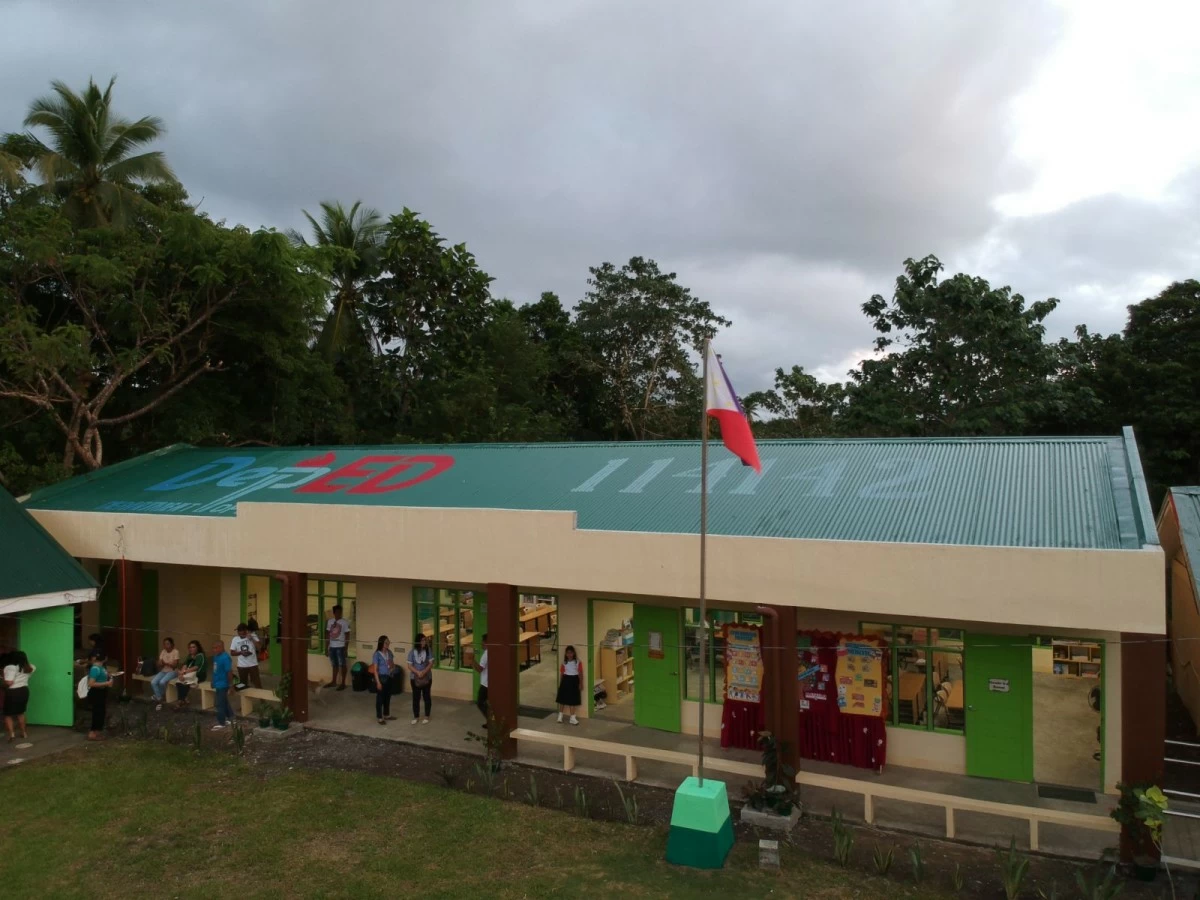
File photo: (DepEd)
Police officers will step up patrols and community policing activities in geographically isolated and disadvantaged areas (GIDAs) as part of efforts to support the implementation of the newly enacted Last Mile and GIDA Schools Act, Philippine National Police (PNP) chief Gen. Jose Melencio C. Nartatez Jr. said.
Nartatez said all police units have been directed to strengthen police visibility around public schools in remote and underserved communities to help provide a safer environment for learners and teachers.
“Access to education must be matched by access to safety. The PNP will continue working with the Department of Education, local government units and community stakeholders to protect schools, secure education personnel and promptly address security concerns in geographically isolated and disadvantaged areas,” he said.
The directive supports the implementation of Last Mile and GIDA Schools Act, which was signed by President Ferdinand Marcos Jr. last July 22.
The new law institutionalizes government support for public schools in GIDAs and other underserved communities.
It directs the Department of Education (DepEd) to implement a national program covering school infrastructure, learning resources, teacher support, health and feeding programs, water and sanitation facilities, electrification, computerization and alternative learning delivery.
The law also adopts a national school accessibility standard aimed at ensuring learners have access to a basic education school within walking distance whenever possible.
According to the PNP, the enhanced security measures seek to provide learners and teachers with a safe and peaceful environment conducive to education.
“Education should never be limited by distance or security concerns. The PNP will continue to do its part to keep schools and communities safe so that teachers can fulfill their mission and students can focus on learning with confidence,” Nartatez said.
He said the PNP will continue coordinating with DepEd, local government units, and other stakeholders to maintain peace and order in remote communities while the new law is being implemented.