






Manila Bulletin
 Philippines
National
Marcos tax reform package must include estate tax overhaul; solons explain why
Philippines
National
Marcos tax reform package must include estate tax overhaul; solons explain why
Philippines
National
Marcos tax reform package must include estate tax overhaul; solons explain why
Marcos tax reform package must include estate tax overhaul; solons explain why
Published Jul 29, 2026 10:51 am


At A Glance
- House Ways and Means Chair Miro Quimbo says estate taxes burden ordinary families, leaving inherited properties idle, and calls for raising the exemption threshold to at least P100 million.
- He argues that government revenue can still be collected through capital gains taxes once heirs sell properties, while reforms would free land for development and productive use.
- Deputy Speaker Janette Garin agrees, labeling estate taxes as a "death tax", and stresses that reforms would remove barriers for heirs, small entrepreneurs, and investors, aligning with President Marcos' proposed tax amnesty in his SONA.
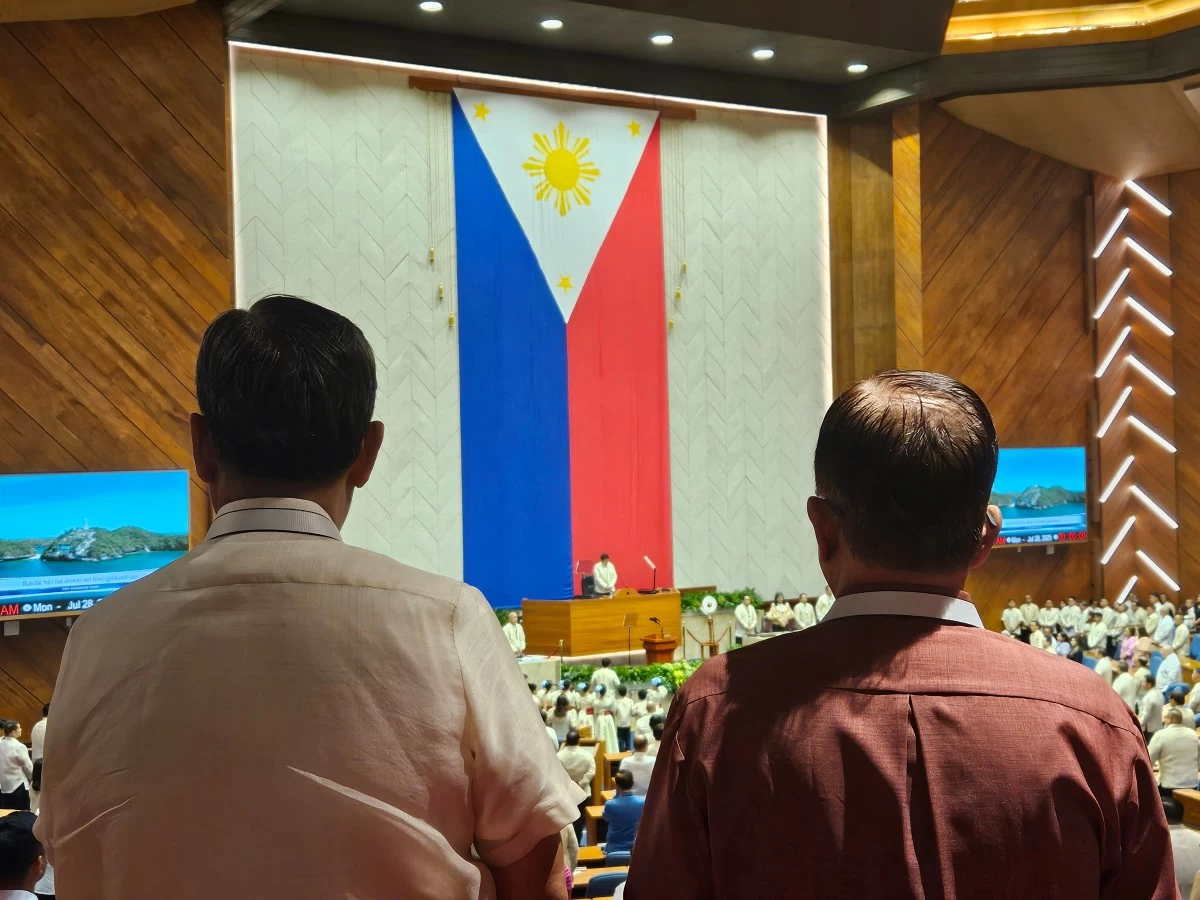
The House plenary hall (Ellson Quismorio/ MANILA BULLETIN)
Ranking congressmen believe that President Marcos' proposed tax reform package presents an opportunity to remove long-standing barriers that prevent inherited properties from being put to productive use.
House Committee on Ways and Means Chairman Marikina City 2nd district Rep Miro Quimbo said the administration’s planned tax amnesty should be expanded to include sweeping reforms on estate taxes, including raising the exemption threshold to at least P100 million.
Quimbo said estate taxes have become a burden for many ordinary and middle-class families because heirs often cannot afford to settle them, leaving inherited properties tied up for years.
“So facing today na wala kang nakokolekta, mas mabuti pa ‘yung ibigay mo na ’yan sa mga heredero. Sila din mismo ibebenta nila. Kasi wala namang may gusto diyan eh,” he said during a press conference Tuesday, July 28, or a day after Marcos delivered his fifth State of the Nation Address (SONA).
(So facing today that you are not collecting anything, it is better to give that to the heirs. They themselves will sell it anyway, since no one really wants it.)
He said the government would still be able to collect revenue through capital gains taxes once inherited properties are sold, while allowing land to be transferred, developed and put to productive use.
Quimbo said estate taxes should primarily apply to the ultra-rich rather than ordinary Filipino families.
“Sa tingin ko, napapanahon na talagang itaas natin ang estate tax exemption to at least P100 million worth ng estate,” he noted.
(In my view, it is truly timely to raise the estate tax exemption to at least P100 million worth of estate.)
"The President is offering a clean slate for many of these businessmen and individuals who [couldn’t] pay their taxes, like estate tax, where the properties inherited by the families were not able to sell or [put to] a productive use,” he explained.
“Our taxpayers are often discouraged from paying even when they want to settle their accounts because the penalties are so high," noted the economist-lawmaker.
It will help entrepreneurs, investors too
Deputy Speaker Iloilo 1st district Rep. Janette Garin agreed, and said estate taxes have long discouraged families from settling inherited properties and have left many lands idle.
“Ang tawag namin doon, buwis ng pagkamatay. So tutok na lang tayo doon sa buwis ng mga nabubuhay,” Garin said tongue-in-cheek.
(We call that the death tax. So let us just focus on the tax of the living.)
She said institutionalizing reforms to the estate tax system would remove a major obstacle not only for heirs and small entrepreneurs but also for investors.
“If President Bongbong Marcos will provide the solution to this magiging malaking removal ng isang barikada na matagal na nagiging deterrent, hindi lamang sa mga may-ari ng lupa, sa kanilang mga heirs, [kundi pati] sa mga maliliit na negosyante, at sa pagpasok ng ibang investors,” Garin said.
(If President Bongbong Marcos will provide the solution to this, it will be a major removal of a barrier that has long been a deterrent, not only for landowners and their heirs, but also for small entrepreneurs and incoming investors.)
In his SONA, President Marcos asked Congress to pass a tax amnesty measure as part of a broader package of tax reforms aimed at easing the burden on taxpayers, encouraging voluntary compliance and supporting economic growth.