







A legacy written in lives transformed
Published Jul 27, 2026 12:05 am
|
Updated Jul 26, 2026 03:35 pm


FROM THE MARGINS
In 2008, CARD MRI received the Ramon Magsaysay Award for Public Service. While the recognition affirmed our efforts to expand financial inclusion for low-income Filipinos, I have always believed that its true significance lies in what follows. For decades, the Philippine microfinance movement – led by institutions such as NWTF, ASA-Phils., KMBI, ASKI, CARD MRI, and many others – has quietly transformed lives by opening doors to opportunity for the poor and marginalized. The Magsaysay Award reminds us that our greatest legacy is not the recognition itself, but the lives that continue to be changed through faithful service, one family and one community at a time.
Seventeen years later, I had the privilege of accompanying representatives of the Ramon Magsaysay Award Foundation as they documented how that mission continues to unfold across many communities. Our visit took us to center meetings in Laguna, where we listened -- not merely to reports and statistics – but to stories of perseverance, hope, and transformation.
What struck us most was that the real impact of microfinance cannot be measured only by the amount of loans released or savings accumulated. It is measured in opportunities created, families strengthened, and communities empowered by microfinance.
One of the centers we visited, the Sana Sama Center 5 in San Pablo City, traces its roots to a small group of women who came together nearly two decades ago with a common dream of improving their lives. As membership grew, the center evolved, reflecting the changing needs of its members while remaining anchored in the values of discipline, mutual support, and accountability.
Much has changed since those early years. Our financing system has evolved from group-based co-guarantorship to one that recognizes each member's individual capacity and responsibility. Yet the essence of our center meetings has remained remarkably constant. Members still gather every week to affirm the values embodied in our “Member's Pledge” and the “Ten Decisions.” Members encourage one another, celebrate achievements, and offer support during difficult times.
These traditions may appear simple, but they have built something far more valuable than financial capital. They have nurtured social capital: the trust, discipline, and shared responsibility that sustain thriving communities. Under the leadership of Center Chief Rosemarie Olarve, Secretary Joy Macalatan, and Treasurer Evelyn Bonsol, Sana Sama Center 5 now serves 81 members whose livelihoods range from farming to small retail enterprises. Their nearly ₱590,000 in outstanding loans and more than ₱815,000 in pledge savings reflect not only financial progress but also years of collective discipline and mutual trust.
One conversation during our visit has stayed with me.
We met Mrs. Menesia Respuesto, whose journey illustrates what financial inclusion can accomplish when paired with determination and hard work. She began with a modest loan of only ₱5,000 to establish a small bakery and sari-sari store. Today, that humble enterprise has grown into a sustainable business that serves her community while providing stability for her family.
Her success is reflected not only in the growth of her enterprise but also in her financial discipline. Through years of consistent saving, she has accumulated more than ₱175,000 while responsibly managing loans that have enabled her business to expand.
Even more inspiring is her role beyond entrepreneurship. For the past nine years, she has served as a Konek2CARD agent, bringing banking services closer to fellow members across 15 centers. In many rural communities, access to financial services is often limited by distance and cost. By serving as a trusted bridge between the microfinance institution and its clients, she has helped make financial services more accessible to hundreds of families.
Her greatest achievement, however, is not found in financial records. Like many microfinance clients, Mrs. Respuesto spoke with pride about sending her children to school — reminding us that investment in education is also an investment in breaking the cycle of poverty for the next generation.
During our visit, members did not speak only about increased incomes. They also spoke about dignity. About confidence. About discovering abilities that they never knew they possessed. Many have become community leaders. Others now organize initiatives that strengthen their neighborhoods and mentor fellow entrepreneurs. These are outcomes that cannot be captured by balance sheets alone.
As we mark four decades of serving low-income Filipinos, visits like this reaffirm our conviction that our work is far from finished. Millions of families continue to face uncertainty brought about by economic shocks, climate-related disasters, and rising costs of living. Their resilience deserves institutions that remain committed to walking alongside them.
Awards recognize achievement, but legacies are built through sustained service. Across the Philippine microfinance movement, that legacy is found not in citations or milestones, but in every family empowered, every child educated, and every community made more resilient. It is a legacy written in lives transformed.
* * *
“If you light a lamp for somebody, it will also brighten your path.” – Buddha
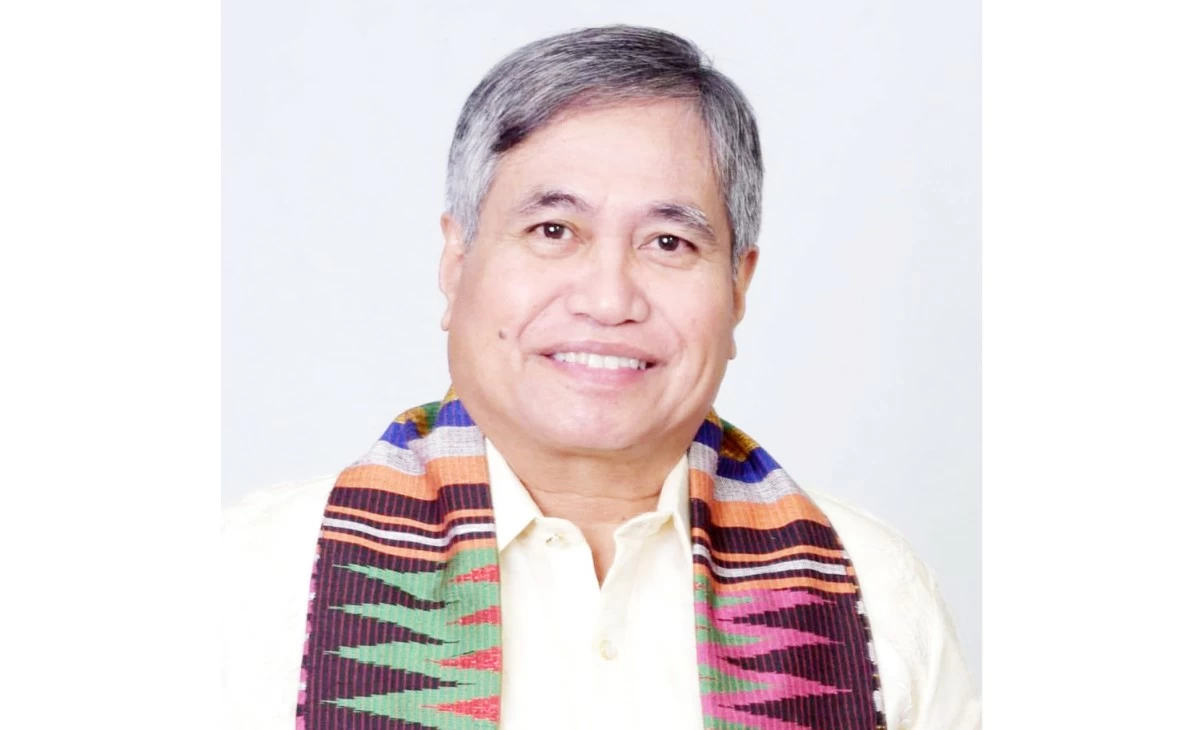
(Dr. Jaime Aristotle B. Alip is a poverty eradication advocate. He is the founder of the Center for Agriculture and Rural Development Mutually-Reinforcing Institutions (CARD MRI), a group of 23 organizations that provide social development services to 8 million economically-disadvantaged Filipinos and insure more than 27 million nationwide.)