






Manila Bulletin
 Philippines
National
Nartatez: ASEAN top cops agree to enhance use of regional database vs criminals, syndicates
Philippines
National
Nartatez: ASEAN top cops agree to enhance use of regional database vs criminals, syndicates
Philippines
National
Nartatez: ASEAN top cops agree to enhance use of regional database vs criminals, syndicates
Nartatez: ASEAN top cops agree to enhance use of regional database vs criminals, syndicates
Published Jul 26, 2026 09:49 am


At A Glance
- The digital platform is called electronic Aseanapol Database System (E-ADS)
- It serves as a digital repository of information on individuals and groups involved in transnational criminal activities
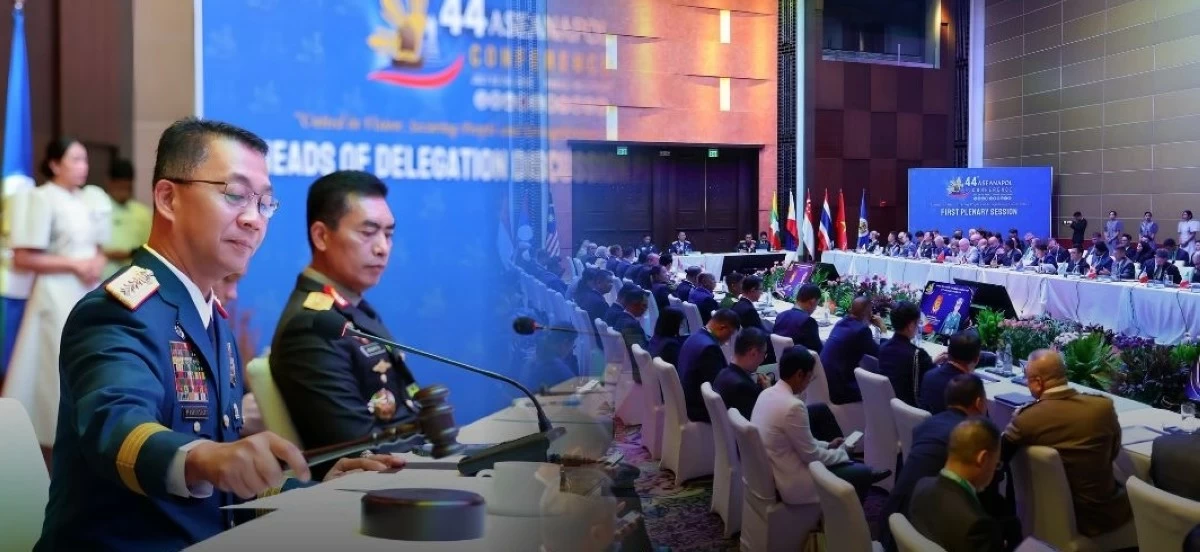
Top police officials of Southeast Asia have committed to sustain the continuous enhancement of a digital platform that will be shared by police forces in the region in combating transnational crimes during the 44thAseanapol Conference hosted this year by the Philippine National Police (PNP).
Dubbed as electronic Aseanapol Database System (E-ADS), it serves as a digital repository of information on individuals and groups involved in transnational criminal activities that is used by ASEAN member countries.
PNP chief and Aseanapol chairman Gen. Jose Melencio C. Nartatez said the three-day meeting led to the agreement to institutionalize technical cooperation by maximizing the use of continuous enhancement of the E-ADS through a long-term masterplan.
“It also reinforces mutual assistance in criminal matters, expanded police training and personnel exchange through programs,” said Nartatez.
He said the country's successful hosting of the 44th Aseanapol (Association of Southeast Asian Nation Association of Chiefs of Police) Conference resulted in stronger regional cooperation against transnational crime and concrete commitments that will boost law enforcement efforts across Southeast Asia.
“The conference produced concrete commitments that will strengthen the PNP and our Southeast Asia counterparts’ fight against transnational crime and other emerging threats to peace and order and security,” said Nartatez.
“We secured stronger intelligence sharing, closer operational coordination, expanded training opportunities, enhanced forensic cooperation, and deeper partnerships against cybercrime, online scams, terrorism, trafficking in persons, and other cross-border crimes,” he added.
Hosted by the Philippines under the theme "United in Vision: Securing People and Strengthening Collaboration," the conference brought together police chiefs and heads of delegation from Aseanapol member countries, 12 dialogue partners, and 11 observer organizations.
Delegates approved measures to strengthen cooperation against cybercrime, online scams, illegal drugs, terrorism, trafficking in persons, firearms smuggling, financial crime, wildlife crime, and maritime crime.
Nartatez said the conference also reaffirmed the Philippines' standing as a reliable partner in regional security cooperation, “The successful hosting of the 44th ASEANAPOL Conference shows that the Philippines is a trusted and capable partner in regional law enforcement.”
“It reflects our commitment to promoting cooperation, building consensus, and turning dialogue into concrete action,” he noted.
During the conference, PGEN Nartatez also held bilateral meetings with his counterparts from Brunei Darussalam, Malaysia, New Zealand, France, and the United Kingdom, as well as representatives of the International Association of Chiefs of Police.
The discussions focused on intelligence sharing, maritime security, counterterrorism, child protection, cybercrime, and capacity building.
The Philippines assumed the Aseanapol chairmanship from the Royal Thai Police during the conference. Indonesia will host the next Conference in 2027.
And this year’s Aseanapol Conference, according to Nartatez, reinforced what the alliance of police forces in the region is all about, “No country can effectively combat transnational crime alone.”
“Our collective security depends on sustained cooperation, timely intelligence sharing, operational coordination and mutual trust among our law enforcement agencies,” he stressed.