






 Philippines
National
Three years in a tent: Inside the daily struggle of families in Gaza
Philippines
National
Three years in a tent: Inside the daily struggle of families in Gaza
Three years in a tent: Inside the daily struggle of families in Gaza


At A Glance
- Despite the destruction, Palestinian institutions continue operating, planning for reconstruction while appealing for greater international support to allow humanitarian aid into Gaza.
- Palestinian Social Development Minister Dr. Samah Hamad says the crisis has reshaped every aspect of life—from childhood and education to health care and government services.
- Nearly three years into the war, hundreds of thousands of Palestinian families remain displaced, spending each day searching for water, food and medicine from inside overcrowded tents.
Every morning in Gaza begins with a calculation.
How much drinking water is left? Is there enough food for the day? Will there still be hot meals when the family reaches the front of the queue? Can anyone find medicine before supplies run out?
Nearly three years into the war, Palestinian Minister of Social Development and Minister of State for Relief Affairs Dr. Samah Hamad said those questions have replaced the routines that once defined ordinary family life for hundreds of thousands of Palestinians.
Families no longer wake up to prepare children for school or head to work, she said.
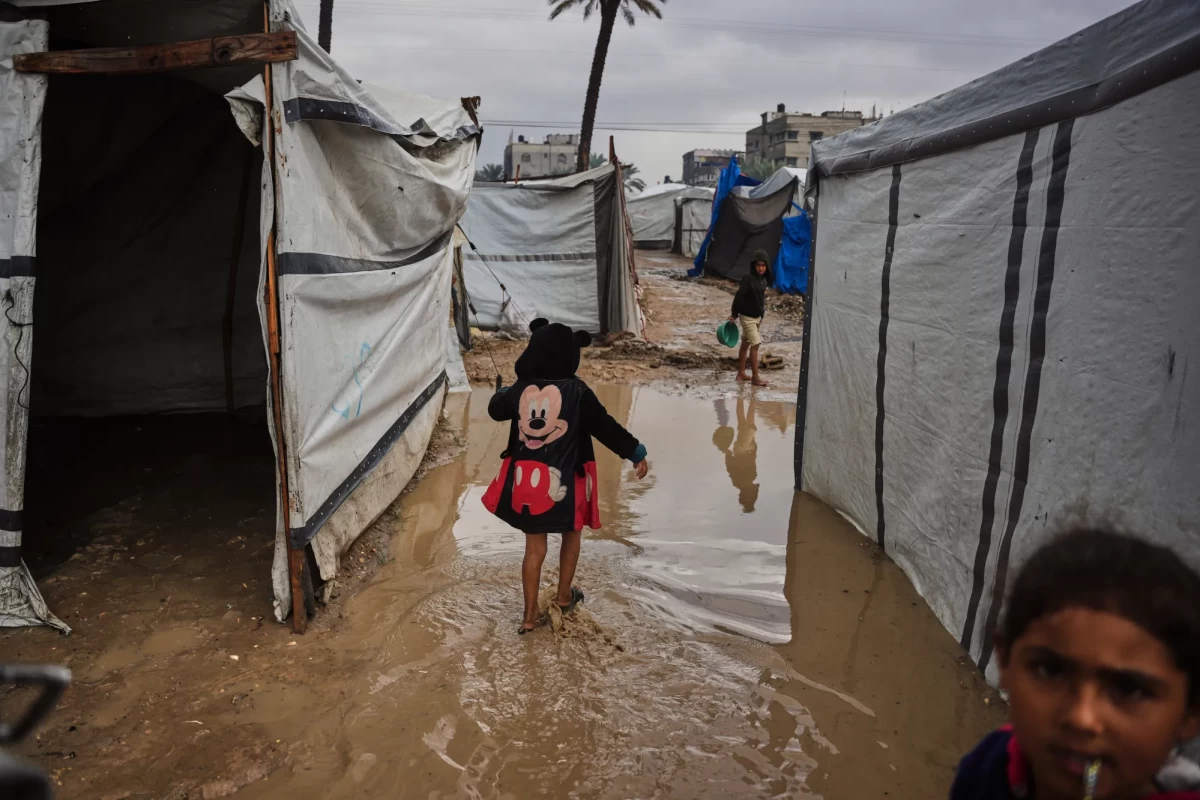
Instead, they wake up inside tents that have become their homes.
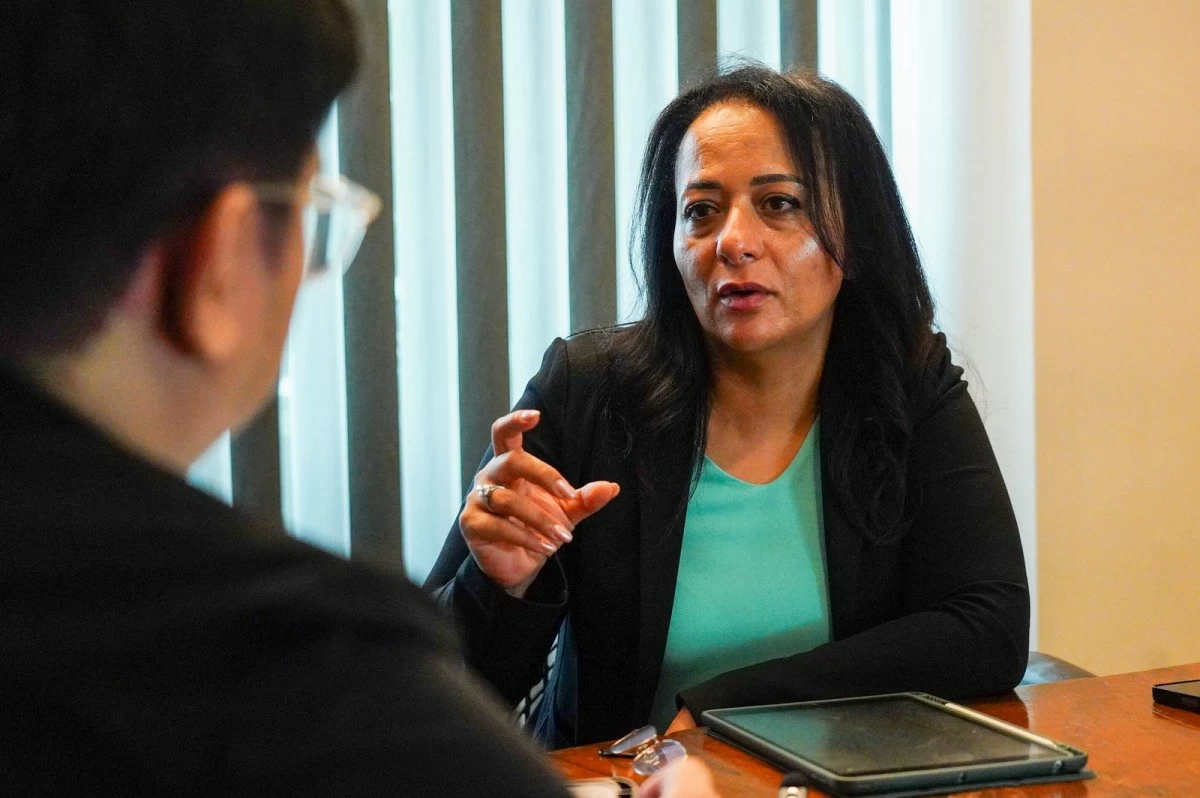
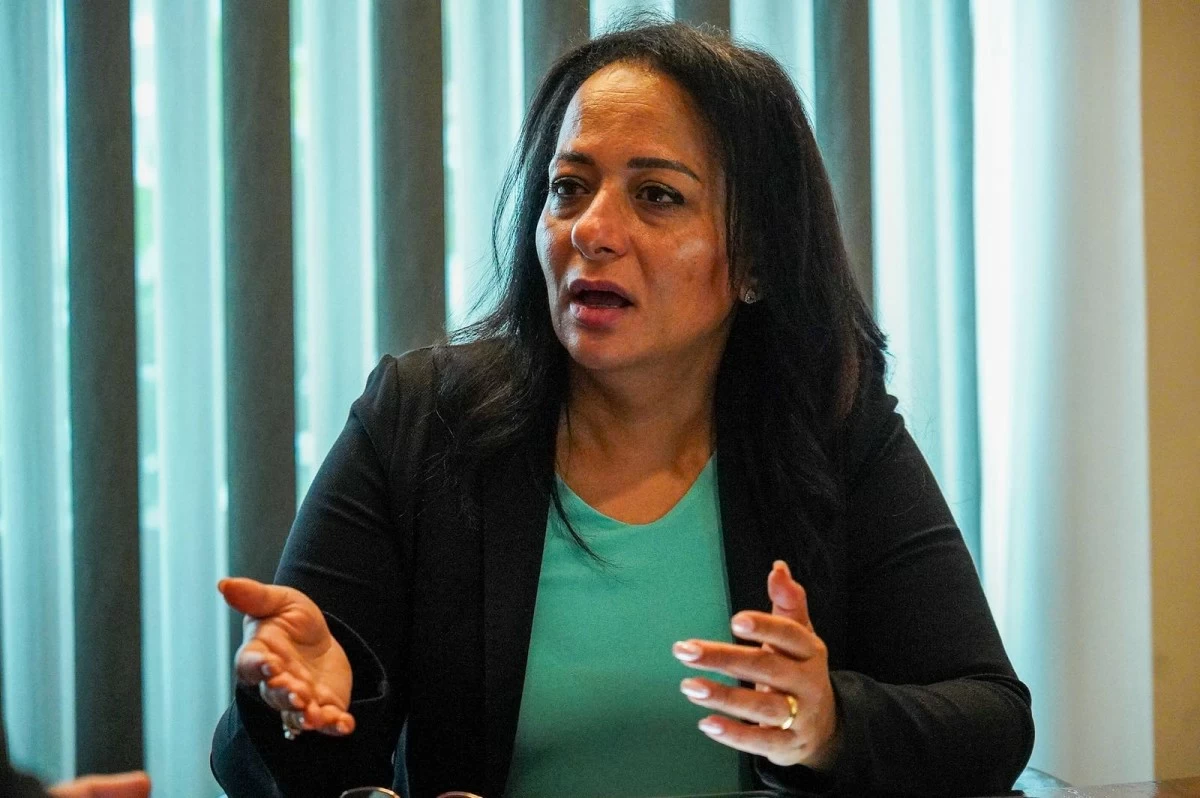
"You can live in a tent for a month, for two months, but not for three years," Hamad said during a one-on-one interview with the Manila Bulletin on the sidelines of her visit to Manila.
She said around 350,000 families have lost their homes, with many remaining displaced through three summers and two winters as the conflict continues.
Before the war, Hamad recalled, family life revolved around traditions shared across generations.
"We are traditional families," she said.
"We have our culture and traditions. Usually, the family gathers at the food table, and we eat together."
"But suddenly everything is destroyed. There is no food. There is no table. There is no mother to cook for the children."
She said the first task each morning is finding drinking water.
Each person receives only about two liters a day, forcing families to ration every drop while those suffering from kidney disease and other illnesses struggle even more.
Then comes another wait.
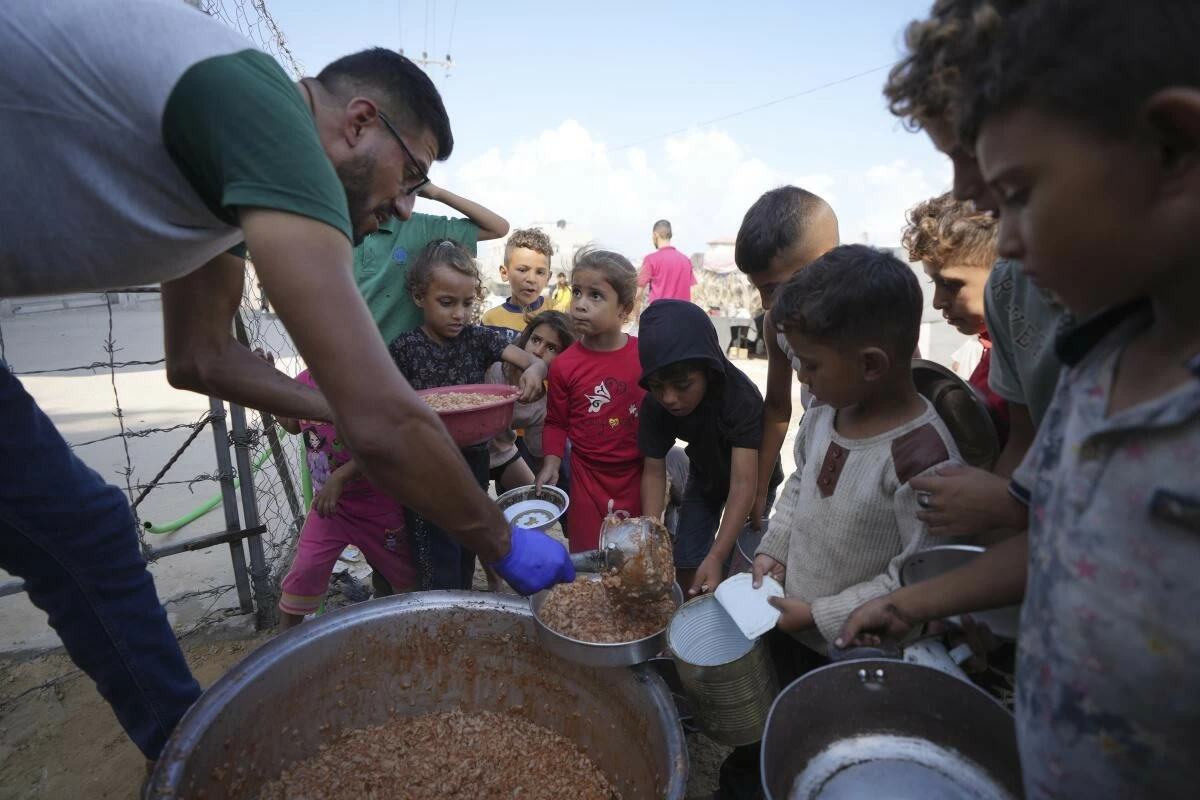
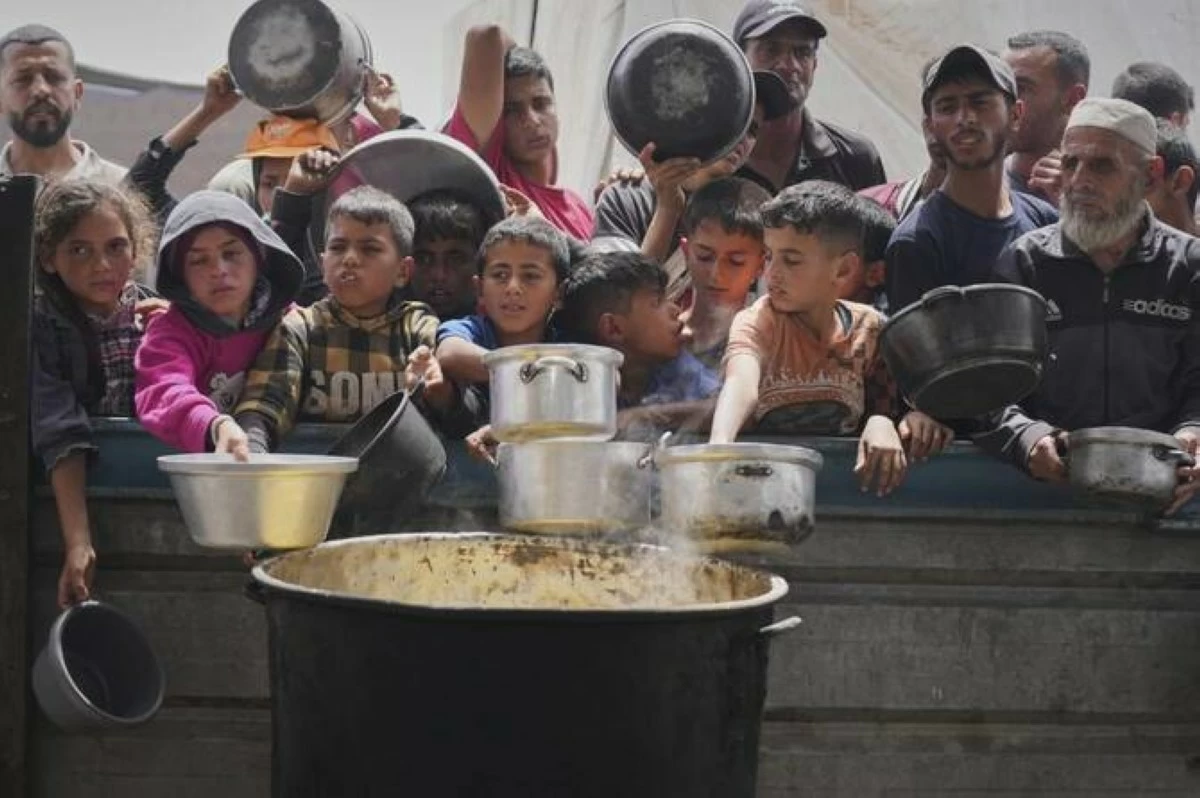
Families line up for community meals, often spending hours under the heat without knowing whether food will still be available when their turn arrives.
Sometimes, Hamad said, they return to their tents empty-handed.
When home becomes a tent
The hardships do not end after the day's search for food.
Fuel entering Gaza remains only a fraction of what hospitals and humanitarian agencies require, leaving many families to cook with scraps of wood and paper while flour shortages have made bread increasingly scarce.
The destruction of wastewater and garbage systems has also created conditions for disease to spread.
With drainage systems no longer functioning, wastewater collects around makeshift shelters while solid waste piles up nearby, creating breeding grounds for rodents that Hamad said have become a growing threat to public health.
She said hundreds of thousands of Palestinians are now suffering from skin diseases linked to deteriorating sanitation conditions.
Hamad said medical facilities continue operating despite severe shortages of medicines, equipment and fuel, leaving thousands of wounded patients waiting for treatment while many cancer patients cannot obtain essential drugs.
Although some patients are allowed to leave Gaza for treatment, she said only a small number can cross each day, and not everyone who leaves is permitted to return.
For Hamad, opening border crossings to allow humanitarian supplies into Gaza remains the single most urgent need.
A generation growing up without childhood
For children, the war has altered not only where they live, but how they grow up.
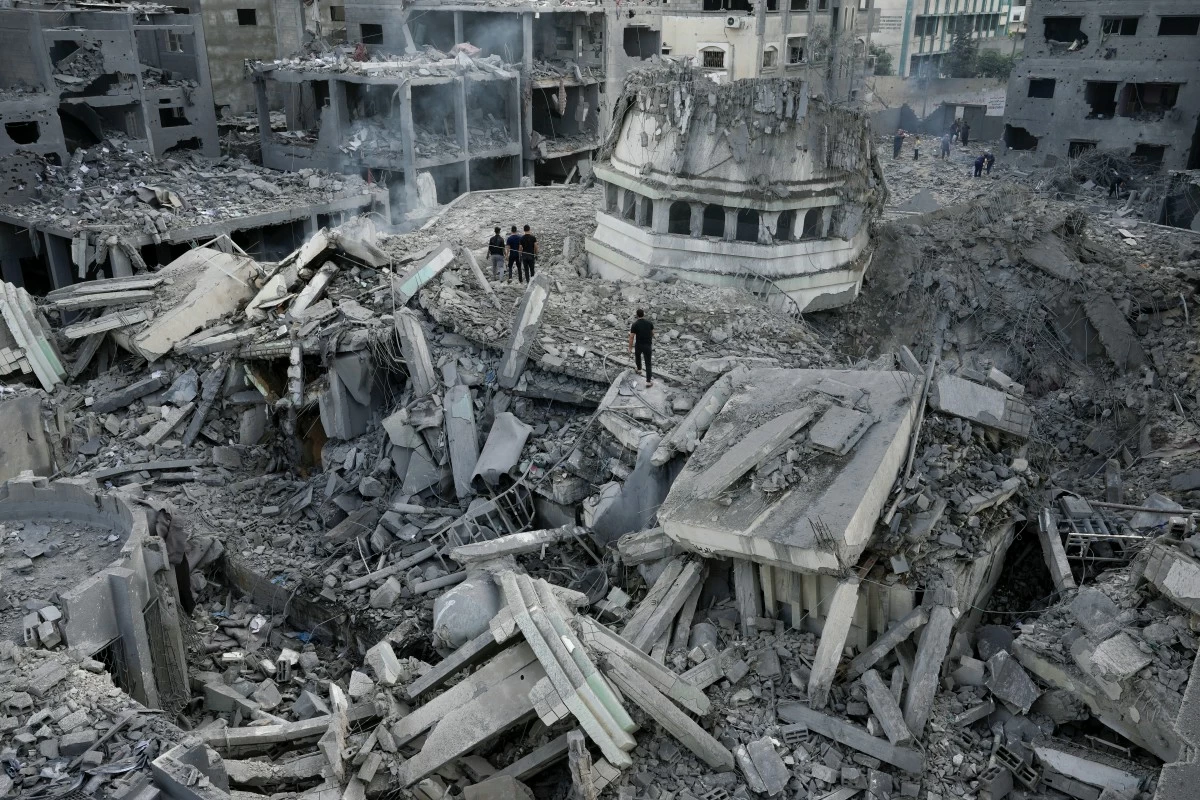
More than 300 schools have either been destroyed or converted into shelters, leaving many children without classrooms for years.
Instead of attending school, many spend their days helping their families search for food and water.
Others have never experienced what Hamad considers a normal childhood.
"They don't practice their childhood at all," she said.
The emotional scars may last even longer.
Hamad said around 1 million children require psychological support after years of bombings, displacement, and loss, with many exhibiting signs of trauma, aggression, withdrawal, bedwetting, and speech difficulties.
She also worries about the long-term effects of malnutrition.
A child born in 2023, she said, has now spent the first years of life without access to foods such as milk, eggs, or bananas that are essential for healthy development.
Yet amid the destruction, children continue imagining a different future.
Through a UNICEF-supported project called "The Gaza We Want," children drew pictures of gardens, schools, and universities they hope will one day replace the ruins around them.
Keeping a government alive
Even as humanitarian needs continue to grow, Hamad said Palestinian institutions have tried to preserve basic public services.
Her ministry has restored child protection systems, rebuilt registries for orphaned children and resumed social protection services, in some cases operating from tents after government facilities were destroyed.
Education has also continued where possible.
Building on digital platforms developed during the Covid-19 pandemic, Palestinian authorities shifted learning online, allowing around half of Gaza's students to continue attending classes using mobile phones while teachers in both Gaza and the West Bank conduct lessons remotely.
National high school examinations have likewise continued online, while universities have reopened virtual classes for displaced students.
At the same time, Hamad said the government has been operating under severe financial constraints.
She said revenues collected under long-standing tax arrangements have largely not been transferred for years, leaving teachers, doctors and other civil servants receiving only partial salaries while public services continue to operate under mounting pressure.
Planning for the day after
Even before the fighting ends, planning for recovery has already begun.
Working with the United Nations, the World Bank, and the European Union, Palestinian authorities have prepared a reconstruction plan that estimates recovery costs at between $50 billion and $70 billion.
The first priorities, Hamad said, are replacing tents with proper shelters, clearing millions of tons of debris, restoring clean water and electricity, rebuilding schools and hospitals, and updating the government's social protection registry.
Officials have already begun parts of that work, she said, even as fighting continues.
"We need to do the job," Hamad said.
'It's not just a humanitarian issue'
After describing the shortages, the destruction, and the plans for rebuilding, Hamad returned to what she believes lies at the heart of Gaza's crisis.
"It's not a humanitarian issue. It's not poverty," she said.
"It is a political issue that needs countries' support."
She expressed gratitude for the Philippines' longstanding support for Palestine, saying that assistance from governments, humanitarian organizations, and ordinary citizens reminds Palestinians that they have not been forgotten.
For the families still living beneath canvas nearly three years after losing their homes, however, the future remains measured less by reconstruction plans than by tomorrow morning's search for water, tomorrow's place in the food line, and the hope that one day, children will once again wake up in classrooms instead of queues.