

ADVERTISEMENT

Speaker Dy bats for proactive planning as El Niño threat persists

Published Jul 22, 2026 01:42 pm

At A Glance

  • Speaker Faustino Dy III stresses that proactive planning is essential to mitigate El Niño's impact, citing past severe effects on agriculture, food supply, and the economy.
  • Isabela's experience with prolonged drought highlights the importance of early coordination, including emergency consultations, dam monitoring, and timely assistance to farmers and fisherfolk.
  • National preparedness framework is proposed to unify government action, focusing on irrigation investments, water-efficient technologies, climate-resilient agriculture, and community-based water management.
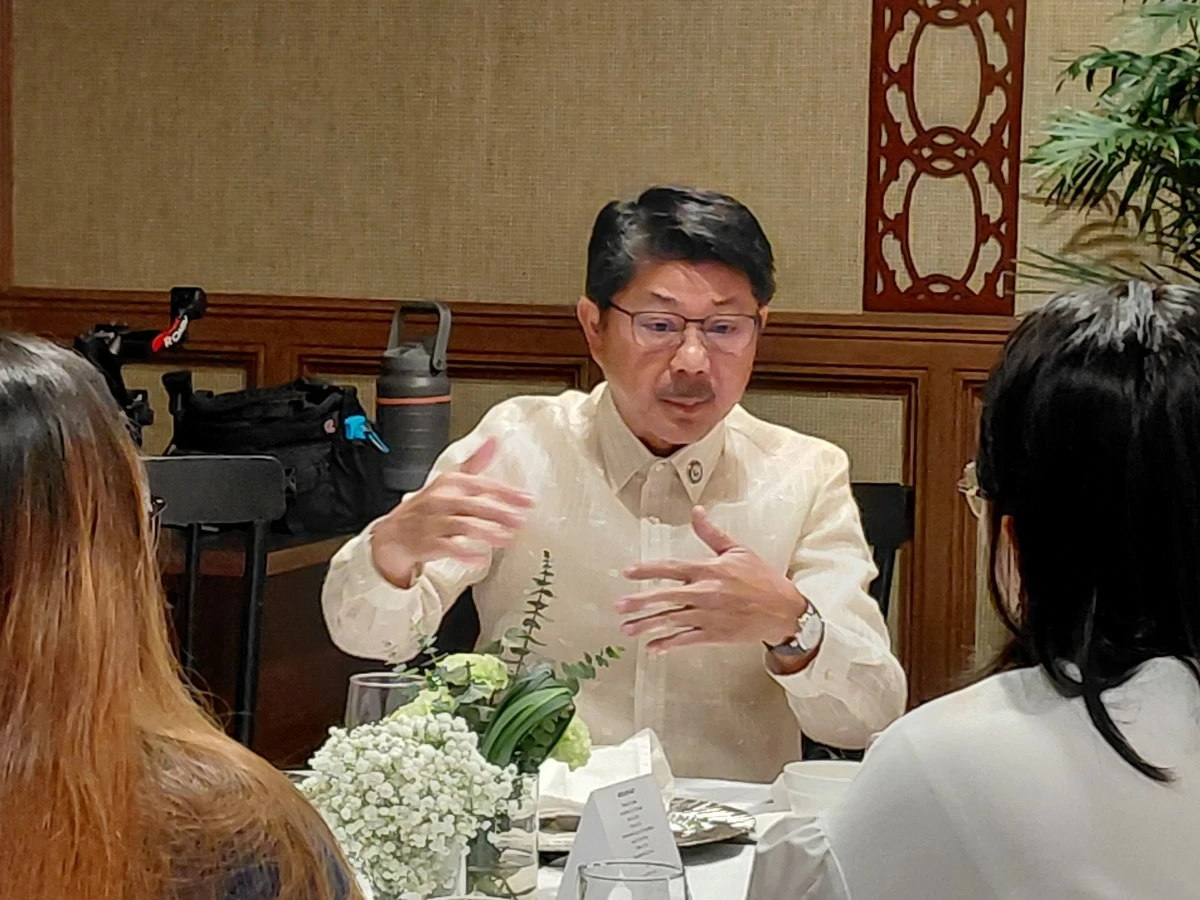
House Speaker Isabela 6th district Rep. Faustino "Bojie" Dy III (Ellson Quismorio/ MANILA BULLETIN)


House Speaker Isabela 6th district Rep. Faustino "Bojie" Dy III says proactive planning is key to mitigating the effects of El Niño, which threatens to adversely affect the country's food supply.
Speaking at the House Committee on Agriculture and Food’s El Niño briefing Wednesday, July 22, the Speaker stressed that the country has already experienced the severe consequences of prolonged drought on agriculture, food supply, and the economy.
“Ito po ay napapanahon sapagkat naranasan na po natin ang matinding epekto ng El Niño sa crop production, food security, at sa ating ekonomiya," Dy noted.
(This is timely because we have already experienced the severe impact of El Niño on crop production, food security, and our economy.)
"From 2023 to 2024, palay production dropped by 12% to 15%, leading to higher rice prices and affecting millions of Filipinos,” said the House chief.
Having witnessed firsthand the impact of El Niño in Isabela—where prolonged dry conditions damaged farmlands, strained irrigation systems, and contributed to fish kills in the Magat Reservoir—Dy said the experience highlighted the importance of acting before a crisis hits.
He noted that while emergency interventions helped cushion the effects on farmers and fisherfolk, the lessons learned underscored the need for a unified national preparedness framework that enables government to anticipate, rather than merely respond to, future El Niño events.
“Mga kasama, hindi po natin mapipigilan ang tagtuyot o tag-ulan. Ngunit kaya nating bawasan ang magiging pinsala nito kung maagap ang ating paghahanda,” Dy said.
(Colleagues, we cannot stop droughts or heavy rains. But we can reduce their damage if our preparation is timely.)
National preparedness framework 
He said the objective of the congressional briefing was to develop a unified national preparedness framework that local governments and national agencies can adopt before drought conditions worsen.
“Ang layunin po ng briefing na ito ay makabuo tayo ng isang national preparedness framework laban sa El Niño—isang sistema na epektibo, implementable, at magbibigay ng proteksyon sa ating mga kababayan,” stressed Dy.
(The purpose of this briefing is to establish a national preparedness framework against El Niño—a system that is effective, implementable, and protective of our people.)
“Mahalaga pong maging handa po tayo at huwag na po nating hintayin dumating ang krisis bago umaksyon para sa kapanatagan ng bawat magsasaka at bawat Pilipino.”
(It is important that we are prepared and that we do not wait for the crisis to arrive before acting, for the security of every farmer and every Filipino.)
Drawing from Isabela’s experience, Dy said the province immediately convened an emergency consultation with the Department of Agriculture Region II, the Provincial Government, NIA-MARIIS, the League of Mayors, all city and municipal agriculture officers, and other concerned agencies to coordinate early interventions.
The province also intensified monitoring of Magat Dam’s water levels and worked closely with irrigation managers to plan water releases and project available water supply before conditions worsened.
He added that Isabela prioritized the timely delivery of assistance to farmers and fisherfolk, including fuel subsidies, while advancing longer-term investments in irrigation systems, water-efficient technologies, community-based water management, climate-resilient agriculture, and additional water-harvesting and multipurpose dam projects.
These measures, Dy said, showed that early coordination and preparation can significantly reduce the impact of prolonged drought.

Related Tags

House of Representatives FOOD SUPPLY EL NIÑO Faustino \"Bojie\" Dy III
ADVERTISEMENT
.most-popular .layout-ratio{ padding-bottom: 79.13%; } @media (min-width: 768px) and (max-width: 1024px) { .widget-title { font-size: 15px !important; } }

{{ articles_filter_1561_widget.title }}

.most-popular .layout-ratio{ padding-bottom: 79.13%; } @media (min-width: 768px) and (max-width: 1024px) { .widget-title { font-size: 15px !important; } }

{{ static_articles_1562_widget.title }}

.most-popular .layout-ratio{ padding-bottom: 79.13%; } @media (min-width: 768px) and (max-width: 1024px) { .widget-title { font-size: 15px !important; } }

{{ articles_filter_1563_widget.title }}

{{ articles_filter_1564_widget.title }}

.mb-article-details { position: relative; } .mb-article-details .article-body-preview, .mb-article-details .article-body-summary{ font-size: 17px; line-height: 30px; font-family: "Libre Caslon Text", serif; color: #000; } .mb-article-details .article-body-preview iframe , .mb-article-details .article-body-summary iframe{ width: 100%; margin: auto; } .read-more-background { background: linear-gradient(180deg, color(display-p3 1.000 1.000 1.000 / 0) 13.75%, color(display-p3 1.000 1.000 1.000 / 0.8) 30.79%, color(display-p3 1.000 1.000 1.000) 72.5%); position: absolute; height: 200px; width: 100%; bottom: 0; display: flex; justify-content: center; align-items: center; padding: 0; } .read-more-background a{ color: #000; } .read-more-btn { padding: 17px 45px; font-family: Inter; font-weight: 700; font-size: 18px; line-height: 16px; text-align: center; vertical-align: middle; border: 1px solid black; background-color: white; } .hidden { display: none; }
function initializeAllSwipers() { // Get all hidden inputs with cms_article_id document.querySelectorAll('[id^="cms_article_id_"]').forEach(function (input) { const cmsArticleId = input.value; const articleSelector = '#article-' + cmsArticleId + ' .body_images'; const swiperElement = document.querySelector(articleSelector); if (swiperElement && !swiperElement.classList.contains('swiper-initialized')) { new Swiper(articleSelector, { loop: true, pagination: false, navigation: { nextEl: '#article-' + cmsArticleId + ' .swiper-button-next', prevEl: '#article-' + cmsArticleId + ' .swiper-button-prev', }, }); } }); } setTimeout(initializeAllSwipers, 3000); const intersectionObserver = new IntersectionObserver( (entries) => { entries.forEach((entry) => { if (entry.isIntersecting) { const newUrl = entry.target.getAttribute("data-url"); if (newUrl) { history.pushState(null, null, newUrl); let article = entry.target; // Extract metadata const author = article.querySelector('.author-section').textContent.replace('By', '').trim(); const section = article.querySelector('.section-info ').textContent.replace(' ', ' '); const title = article.querySelector('.article-title h1').textContent; // Parse URL for Chartbeat path format const parsedUrl = new URL(newUrl, window.location.origin); const cleanUrl = parsedUrl.host + parsedUrl.pathname; // Update Chartbeat configuration if (typeof window._sf_async_config !== 'undefined') { window._sf_async_config.path = cleanUrl; window._sf_async_config.sections = section; window._sf_async_config.authors = author; } // Track virtual page view with Chartbeat if (typeof pSUPERFLY !== 'undefined' && typeof pSUPERFLY.virtualPage === 'function') { try { pSUPERFLY.virtualPage({ path: cleanUrl, title: title, sections: section, authors: author }); } catch (error) { console.error('ping error', error); } } // Optional: Update document title if (title && title !== document.title) { document.title = title; } } } }); }, { threshold: 0.1 } ); function showArticleBody(button) { const article = button.closest("article"); const summary = article.querySelector(".article-body-summary"); const body = article.querySelector(".article-body-preview"); const readMoreSection = article.querySelector(".read-more-background"); // Hide summary and read-more section summary.style.display = "none"; readMoreSection.style.display = "none"; // Show the full article body body.classList.remove("hidden"); } document.addEventListener("DOMContentLoaded", () => { let loadCount = 0; // Track how many times articles are loaded const offset = [1, 2, 3, 4, 5, 6, 7, 8, 9, 10]; // Offset values const currentUrl = window.location.pathname.substring(1); let isLoading = false; // Prevent multiple calls if (!currentUrl) { console.log("Current URL is invalid."); return; } const sentinel = document.getElementById("load-more-sentinel"); if (!sentinel) { console.log("Sentinel element not found."); return; } function isSentinelVisible() { const rect = sentinel.getBoundingClientRect(); return ( rect.top < window.innerHeight && rect.bottom >= 0 ); } function onScroll() { if (isLoading) return; if (isSentinelVisible()) { if (loadCount >= offset.length) { console.log("Maximum load attempts reached."); window.removeEventListener("scroll", onScroll); return; } isLoading = true; const currentOffset = offset[loadCount]; window.loadMoreItems().then(() => { let article = document.querySelector('#widget_1690 > div:nth-last-of-type(2) article'); intersectionObserver.observe(article) loadCount++; }).catch(error => { console.error("Error loading more items:", error); }).finally(() => { isLoading = false; }); } } window.addEventListener("scroll", onScroll); });

Sign up by email to receive news.