






Manila Bulletin
 Philippines
National
ASEAN foreign ministers concerned with evolving situation in Middle East
Philippines
National
ASEAN foreign ministers concerned with evolving situation in Middle East
Philippines
National
ASEAN foreign ministers concerned with evolving situation in Middle East
ASEAN foreign ministers concerned with evolving situation in Middle East
Published Jul 21, 2026 06:03 pm


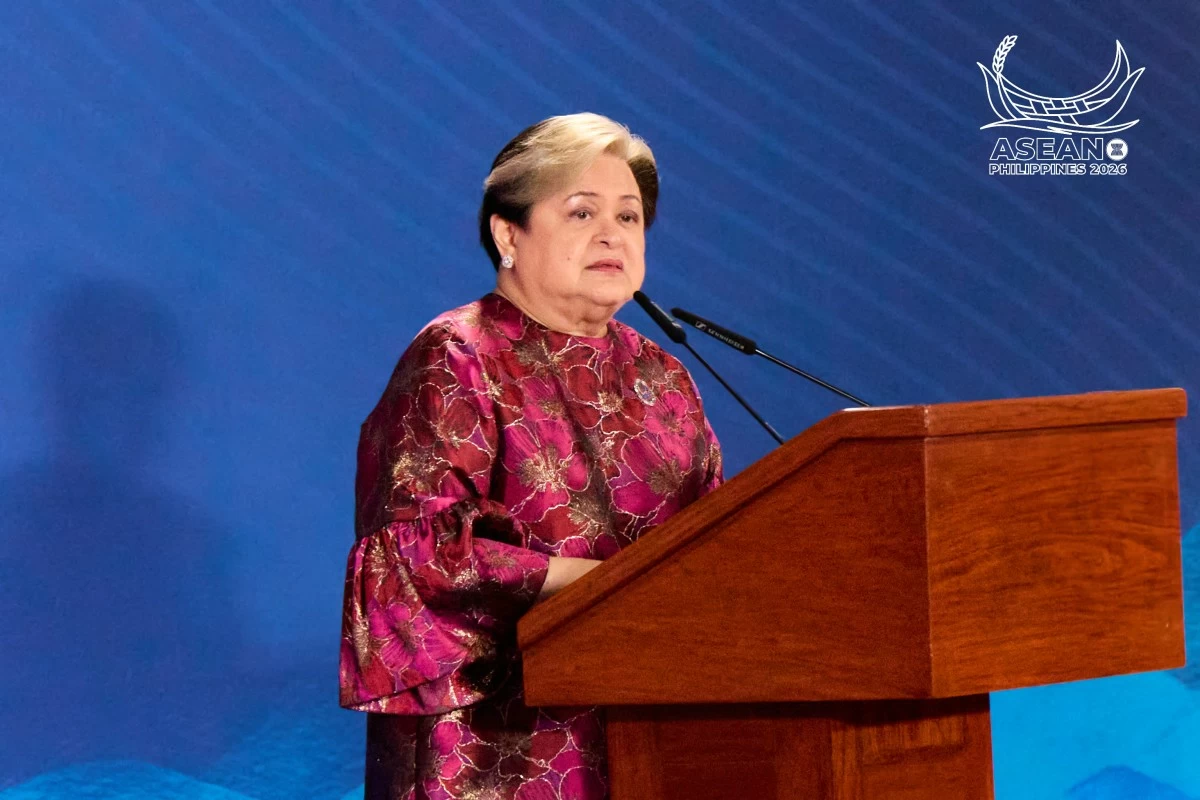
DFA Secretary Ma. Theresa Lazaro
Foreign ministers of the Association of Southeast Asian Nations (ASEAN) expressed "serious concern" over the evolving situation in the Middle East, following renewed hostilities involving the United States and Iran.
In a statement, the ASEAN foreign ministers highlighted the regional bloc’s concern over the worsening situation in the Middle East and warned that the renewed hostilities undermine ongoing diplomatic efforts and weaken the prospects for a peaceful resolution.
“There is, of course, serious concern on the developments of the Middle East… There is grave concern… this is of such urgency that we have to release the document as soon as possible,” Department of Foreign Affairs (DFA) Secretary Ma. Theresa Lazaro, who chairs this year’s ASEAN Foreign Ministers’ Meeting (AMM), said on Tuesday, July 21.
The foreign ministers “called on all parties concerned to exercise utmost self-restraint and avoid any acts that may further aggravate the situation."
They underscored the importance of "maintaining regional peace, stability and prosperity, upholding international law, and promoting genuine dialogue and diplomacy in addressing conflicts and tensions, including the need for a complete and immediate cessation of hostilities across all fronts in the Middle East."
The ministers also stressed the importance of maintaining freedom of navigation and maritime security, particularly in the Strait of Hormuz, in accordance with the 1982 United Nations Convention on the Law of the Sea (UNCLOS).
They expressed concern over any discriminatory or unilateral measures that could obstruct the passage of vessels through the vital maritime chokepoint or other international waterways and called for the restoration of safe and uninterrupted transit while ensuring the safety of seafarers and ships.
They likewise recognized the immediate and long-term impact of the conflict on regional trade, energy and food security, supply chains, and the well-being of ASEAN citizens.
“We noted the ongoing initiatives, both at the regional and national levels, to promote measures to mitigate the socio-economic impacts of external shocks, and to support access to healthcare, and basic services for our people, particularly people in vulnerable situations, through appropriate, timely and targeted responses,” the statement said.
They further underscored the need for stronger cross-sectoral coordination within ASEAN to enhance the region’s resilience, sustainability, stability, and inclusive growth in an increasingly uncertain global environment.
The foreign ministers likewise reaffirmed the obligation of all states to settle disputes peacefully, respect the sovereignty and territorial integrity of nations, protect civilians and civilian infrastructure during armed conflicts, and ensure the safety of United Nations peacekeepers and humanitarian personnel in accordance with international law, international humanitarian law, the UN Charter, and relevant UN Security Council resolutions.
They also reaffirmed ASEAN’s commitment to providing emergency consular assistance to ASEAN nationals affected by crises through existing regional mechanisms and guidelines on consular cooperation among ASEAN member states.