







Nourishing the future: Isabela's push vs child malnutrition
Published Jul 14, 2026 02:59 pm


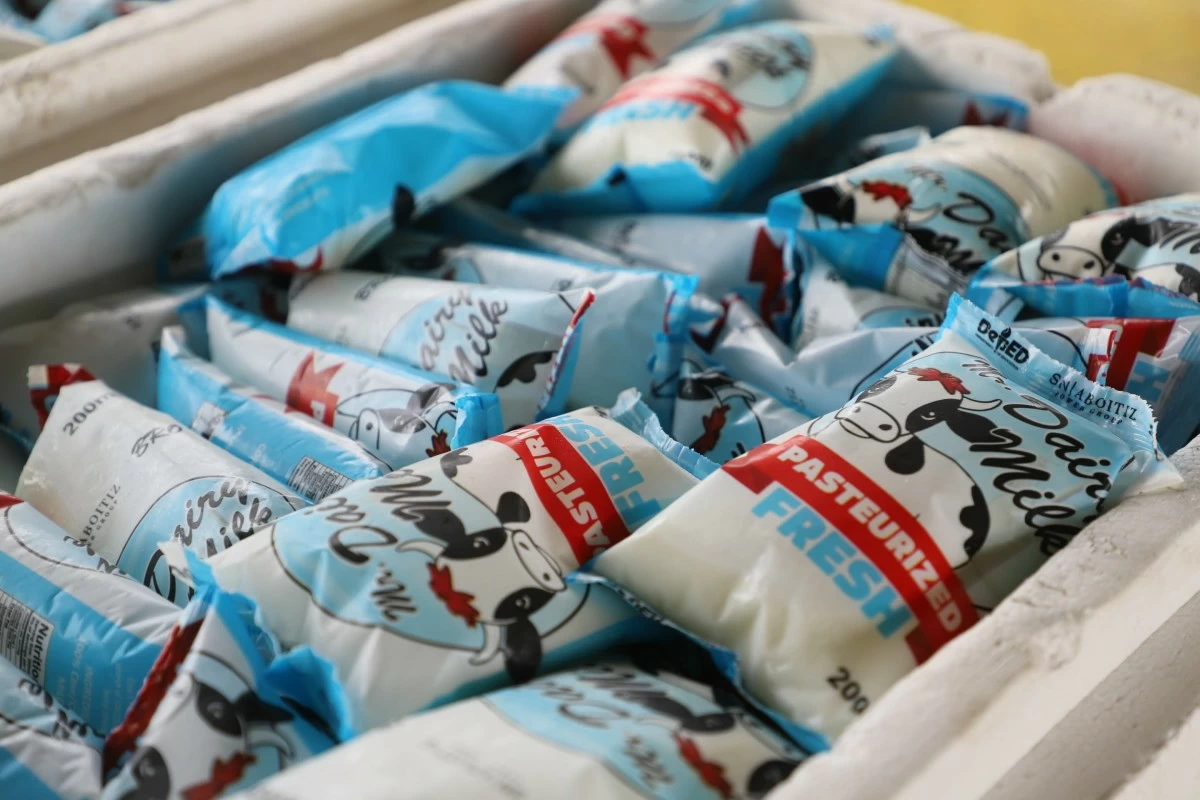
MILK for the feeding program for children in Isabela.
In many parts of the Philippines, conversations about development often revolve around roads, bridges, and infrastructure.
In Isabela, however, another issue has increasingly shaped the province’s priorities: Child nutrition.
Over the past several years, the provincial government has expanded a long-term feeding initiative aimed at addressing malnutrition among children and mothers, particularly in vulnerable and geographically isolated communities.
What began in 2020 as a localized milk-feeding program in the municipality of San Pablo has since evolved into one of the province’s most ambitious public health interventions.
The program was launched under Gov. Rodito T. Albano, whose administration has consistently framed healthcare and nutrition as central to development rather than secondary concerns.
“The thrust of my government is to invest in people,” the governor said – a principle reflected in the province’s growing focus on maternal and child health.
The initial rollout in San Pablo targeted more than 800 undernourished children between the ages of five and 12, providing ready-to-drink milk twice a week over the course of a year.
According to the Provincial Health Office, the municipality recorded a nearly 48.6 percent decline in cases of stunting and wasting between 2022 and 2025.
Since then, the initiative has expanded to Cabagan, Tumauini, Santo Tomas, Santa Maria, Mallig, Ramon, Burgos, and Quezon.
Province-wide data also points to broader improvements, with stunting reportedly decreasing by 32.2 percent and wasting by 44.8 percent over the same period.
The program operates through a network of public and private partnerships.
Fresh milk sourced from local dairy cooperatives supported by the National Dairy Authority is combined with nutritional formula provided by partners, including SN Aboitiz Power Magat, Nickel Asia, and Universal Leaf.
The Department of Education initially oversees a six-week feeding period before the provincial government of Isabela continues the program for the remainder of the year.
In remote areas of San Mariano, where access and logistics pose additional challenges, the initiative has expanded to include lactating mothers. More than 500 beneficiaries in Barangays Dibuluan, Old San Mariano, Disulap, Santa Filomena, and Minanga now receive pasteurized milk three times a week.
Freezers distributed to the barangays help preserve the milk while allowing local communities to oversee distribution themselves.
The effort has also evolved beyond feeding alone. Families of beneficiaries receive starter chickens, eggs, poultry vitamins, and vegetable seedlings to strengthen household-level food security and create possible supplemental income sources.
For the provincial government, the approach reflects a broader philosophy: That addressing malnutrition requires more than temporary intervention. It requires systems that communities can sustain themselves.
“What is the value of roads, bridges, and buildings if our people themselves are hungry?” Albano said, underscoring the administration’s belief that economic progress cannot be separated from human development.
Vice Gov. Kiko Dy supported efforts to strengthen nutrition programs focused on mothers and children, particularly during early childhood development stages.
In Isabela, the results are increasingly being measured not only through infrastructure projects or economic figures, but also through quieter indicators – healthier children, better nutrition, and communities equipped to care for themselves long after the feeding programs end.