

ADVERTISEMENT

Caught in the middle: Filipino millennials feel breadwinner squeeze

Published Jul 13, 2026 12:00 am  |  Updated Jul 11, 2026 03:48 pm

At A Glance

  • Being a middle-class Generation Y breadwinner could be one of the most uncomfortable roles a Filipino could ever assume. To wear a millennial's shoes means bearing the intergenerational demands of caring for your parents and rearing children, leaving you anxious about securing your retirement and grappling to build an emergency fund for your family.

Being a middle-class Generation Y breadwinner could be one of the most uncomfortable roles a Filipino could ever assume.

To wear a millennial’s shoes means bearing the intergenerational demands of caring for your parents and rearing children, leaving you anxious about securing your retirement and grappling with building an emergency fund for your family.

This phenomenon, often referred to as the “sandwich squeeze,” is a stark financial reality that locks millennials into a cycle of caregiving.

According to the FWD Life Insurance Philippines-commissioned Filipino Financial Confidence Report 2026, which surveyed 1,050 middle-class households, this generation is everything to everyone, all at once.

Survey results revealed that nine in 10 Gen Y Filipinos provide financial support to their parents while simultaneously managing an average of two children per household.

This multi-directional dependency leaves little room for personal financial growth, as a third of their resources—especially financial resources—are absorbed by daily household upkeep, while more than a quarter is dedicated specifically to the medical and care needs of aging parents.

FWD Philippines president and chief executive officer (CEO) Soon Liang Lau noted in the report that the “sandwich squeeze is a financial reality locking Gen Y into a cycle of caregiving.”
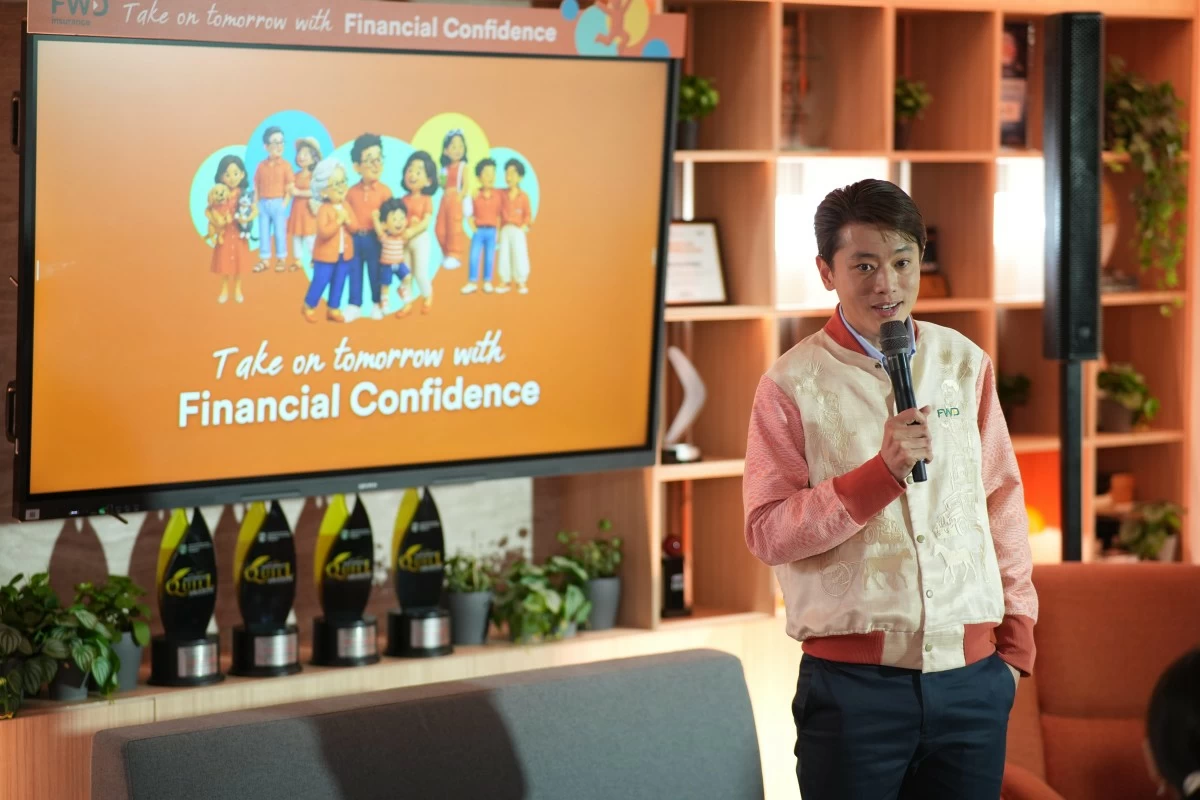
“Many Gen Y Filipinos in the classic sandwich generation face challenges with financial security because they are everything to everyone, all at once,” Lau said.

This financial pressure often leads to the sacrifice of long-term security for immediate peace of mind.

When presented with a financial windfall, 73 percent of Gen Y respondents prioritize family needs over self-preservation.

“Even when extra money or a windfall becomes available, Gen Y consistently chooses to deprioritize themselves,” the report noted.

Meanwhile, only 19 percent allocate any extra funds toward their own retirement.

This imbalance fuels significant anxiety. The report found that 61 percent experience stress over their ability to save for retirement, and 53 percent struggle to build an emergency fund for their families.

Relying on traditional “diskarte,” or reactive survival, is no longer enough in a shifting economic landscape, the report read.

“As we look ahead, we must confront a fundamental truth: hope is not a financial strategy,” Lau asserted.

He further explained that “true resilience cannot just be a mindset; it must be structural. While diskarte is a powerful mechanism for staying afloat, achieving sustainable growth requires moving from passive endurance to earned certainty.”

Currently, only three in 10 middle-class Filipinos describe themselves as financially confident, while about seven in 10 report persistent financial anxiety.

For the sandwich generation, achieving confidence means shifting from temporary survival to permanent stability. It involves creating a plan in which bills are paid and parents are cared for without the breadwinner being one emergency away from debt.

Ultimately, the goal for this generation is the peace of mind that comes from total preparation.

“Financial confidence for the classic sandwich generation is the ability to say: ‘I am holding up three generations, and I have made sure that if something happens to me, they will be okay,’” the report said.

While recognizing this status quo, FWD Philippines said this generation could take control of its future by “managing your dual responsibilities with clear financial boundaries and a long-term plan.”

Considering the multigenerational demands, millennials are urged to secure “life insurance policies that guarantee wealth, not debt, is passed down.” This could include setting cash aside for savings and investment-linked insurance.

“Use endowment plans to build clear, separate funds for your children’s education and your parents’ medical costs so your core personal savings stay protected,” the insurer added.

Related Tags

FWD Life Insurance Corp. (FWD Philippines) Millennials insurance
ADVERTISEMENT
.most-popular .layout-ratio{ padding-bottom: 79.13%; } @media (min-width: 768px) and (max-width: 1024px) { .widget-title { font-size: 15px !important; } }

{{ articles_filter_1561_widget.title }}

.most-popular .layout-ratio{ padding-bottom: 79.13%; } @media (min-width: 768px) and (max-width: 1024px) { .widget-title { font-size: 15px !important; } }

{{ static_articles_1562_widget.title }}

.most-popular .layout-ratio{ padding-bottom: 79.13%; } @media (min-width: 768px) and (max-width: 1024px) { .widget-title { font-size: 15px !important; } }

{{ articles_filter_1563_widget.title }}

{{ articles_filter_1564_widget.title }}

.mb-article-details { position: relative; } .mb-article-details .article-body-preview, .mb-article-details .article-body-summary{ font-size: 17px; line-height: 30px; font-family: "Libre Caslon Text", serif; color: #000; } .mb-article-details .article-body-preview iframe , .mb-article-details .article-body-summary iframe{ width: 100%; margin: auto; } .read-more-background { background: linear-gradient(180deg, color(display-p3 1.000 1.000 1.000 / 0) 13.75%, color(display-p3 1.000 1.000 1.000 / 0.8) 30.79%, color(display-p3 1.000 1.000 1.000) 72.5%); position: absolute; height: 200px; width: 100%; bottom: 0; display: flex; justify-content: center; align-items: center; padding: 0; } .read-more-background a{ color: #000; } .read-more-btn { padding: 17px 45px; font-family: Inter; font-weight: 700; font-size: 18px; line-height: 16px; text-align: center; vertical-align: middle; border: 1px solid black; background-color: white; } .hidden { display: none; }
function initializeAllSwipers() { // Get all hidden inputs with cms_article_id document.querySelectorAll('[id^="cms_article_id_"]').forEach(function (input) { const cmsArticleId = input.value; const articleSelector = '#article-' + cmsArticleId + ' .body_images'; const swiperElement = document.querySelector(articleSelector); if (swiperElement && !swiperElement.classList.contains('swiper-initialized')) { new Swiper(articleSelector, { loop: true, pagination: false, navigation: { nextEl: '#article-' + cmsArticleId + ' .swiper-button-next', prevEl: '#article-' + cmsArticleId + ' .swiper-button-prev', }, }); } }); } setTimeout(initializeAllSwipers, 3000); const intersectionObserver = new IntersectionObserver( (entries) => { entries.forEach((entry) => { if (entry.isIntersecting) { const newUrl = entry.target.getAttribute("data-url"); if (newUrl) { history.pushState(null, null, newUrl); let article = entry.target; // Extract metadata const author = article.querySelector('.author-section').textContent.replace('By', '').trim(); const section = article.querySelector('.section-info ').textContent.replace(' ', ' '); const title = article.querySelector('.article-title h1').textContent; // Parse URL for Chartbeat path format const parsedUrl = new URL(newUrl, window.location.origin); const cleanUrl = parsedUrl.host + parsedUrl.pathname; // Update Chartbeat configuration if (typeof window._sf_async_config !== 'undefined') { window._sf_async_config.path = cleanUrl; window._sf_async_config.sections = section; window._sf_async_config.authors = author; } // Track virtual page view with Chartbeat if (typeof pSUPERFLY !== 'undefined' && typeof pSUPERFLY.virtualPage === 'function') { try { pSUPERFLY.virtualPage({ path: cleanUrl, title: title, sections: section, authors: author }); } catch (error) { console.error('ping error', error); } } // Optional: Update document title if (title && title !== document.title) { document.title = title; } } } }); }, { threshold: 0.1 } ); function showArticleBody(button) { const article = button.closest("article"); const summary = article.querySelector(".article-body-summary"); const body = article.querySelector(".article-body-preview"); const readMoreSection = article.querySelector(".read-more-background"); // Hide summary and read-more section summary.style.display = "none"; readMoreSection.style.display = "none"; // Show the full article body body.classList.remove("hidden"); } document.addEventListener("DOMContentLoaded", () => { let loadCount = 0; // Track how many times articles are loaded const offset = [1, 2, 3, 4, 5, 6, 7, 8, 9, 10]; // Offset values const currentUrl = window.location.pathname.substring(1); let isLoading = false; // Prevent multiple calls if (!currentUrl) { console.log("Current URL is invalid."); return; } const sentinel = document.getElementById("load-more-sentinel"); if (!sentinel) { console.log("Sentinel element not found."); return; } function isSentinelVisible() { const rect = sentinel.getBoundingClientRect(); return ( rect.top < window.innerHeight && rect.bottom >= 0 ); } function onScroll() { if (isLoading) return; if (isSentinelVisible()) { if (loadCount >= offset.length) { console.log("Maximum load attempts reached."); window.removeEventListener("scroll", onScroll); return; } isLoading = true; const currentOffset = offset[loadCount]; window.loadMoreItems().then(() => { let article = document.querySelector('#widget_1690 > div:nth-last-of-type(2) article'); intersectionObserver.observe(article) loadCount++; }).catch(error => { console.error("Error loading more items:", error); }).finally(() => { isLoading = false; }); } } window.addEventListener("scroll", onScroll); });

Sign up by email to receive news.