






 Business
Trade & Industry
Philippines, Japan near updated JPEPA deal, eye November signing
Business
Trade & Industry
Philippines, Japan near updated JPEPA deal, eye November signing
Philippines, Japan near updated JPEPA deal, eye November signing


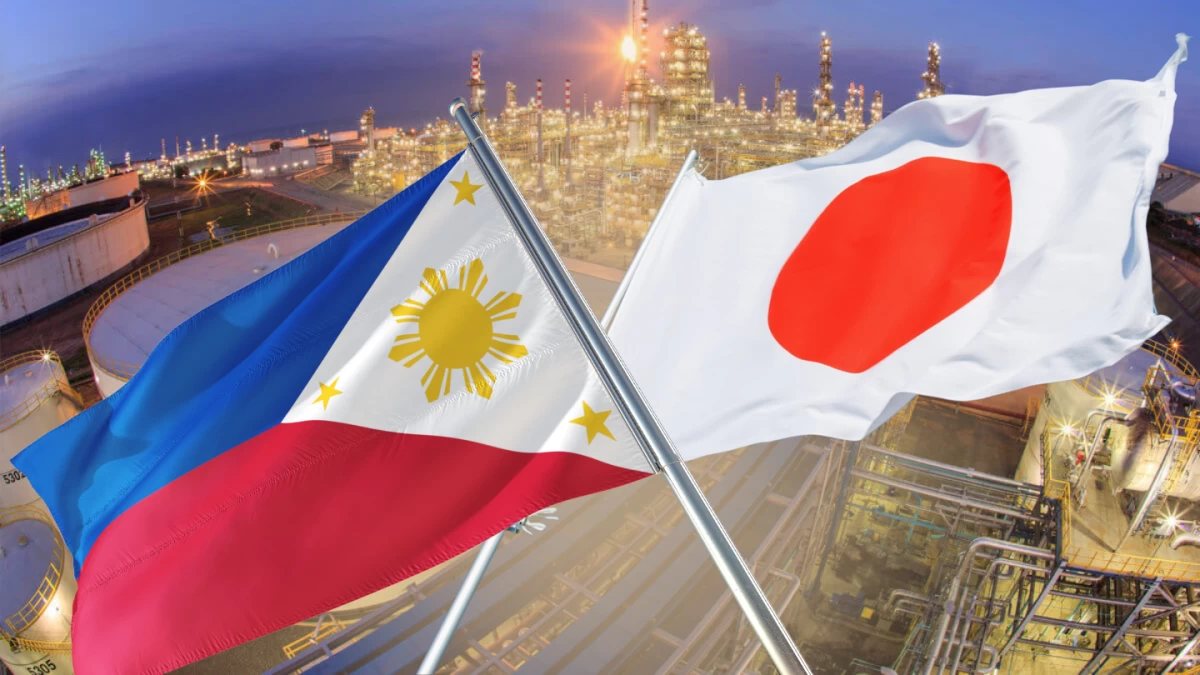
Manila and Tokyo are now studying amendments aimed at addressing persistent trade concerns under the Japan-Philippines Economic Partnership Agreement (JPEPA), with the updated deal set to be signed in November.
Trade Secretary Cristina Roque told reporters that both governments are discussing potential changes to improve JPEPA after committing to do so during the recent state visit to Tokyo.
Roque said the review is on track to conclude by November, with the signing of the updated trade framework expected to take place in the same month.
“The negotiators are there, so it’s very close [to completion] because they also want it done,” she said on the sidelines of the Department of Trade and Industry’s (DTI) 2026 Wedding Fair last week.
A major hurdle to the proposed amendments that has yet to be addressed is in the agriculture sector, particularly Japan’s concerns over market access for specific commodities, which were not disclosed.
Roque, however, said the Department of Agriculture (DA) sees no issue with complying with Japan’s request.
“According to Sec. Kiko [Agriculture Secretary Francisco Tiu Laurel], it’s not a problem, they can work with that. So we don’t see any [other] issue,” she said.
JPEPA, which entered into force in 2008, is the Philippines’ first bilateral free trade agreement (FTA). It eliminates tariffs on more than 90 percent of trade in goods between the two countries.
The Philippines has been asking Japan to review the trade deal over concerns that it is no longer aligned with current trade dynamics, particularly those involving banana exports.
Under JPEPA, Japan imposes an eight-percent tariff on fresh bananas shipped from the Philippines between October and March, and a higher duty of 18 percent from April to September.
Japan remains the largest market for Philippine bananas, but demand has slowly declined in recent years as other countries with much lower tariffs have flooded the market with banana exports.
“Bananas are okay now,” said Roque, indicating that the country had secured a preferential tariff rate.
Meanwhile, Japan has been pushing to ease the tariffs that the Philippines imposes on vehicle shipments from Japan.
At present, the local units of Japanese automotive firms pay a 20-percent tariff on imported vehicles with less than three liters of engine displacement, while only those with larger engines are exempt.
Roque said the government is open to lowering such tariffs to ease the entry of Japan-sourced vehicles into the market.