

ADVERTISEMENT

ICC eases Duterte contact restrictions

Published Jun 14, 2026 05:33 am

At A Glance

  • The International Criminal Court granted former President Rodrigo Duterte's request to modify his contact restrictions.
  • The court allowed Duterte to communicate with and receive visits from a redacted individual.
  • However, the ICC maintained the broader restrictions on Duterte's communications and ordered continued monitoring.
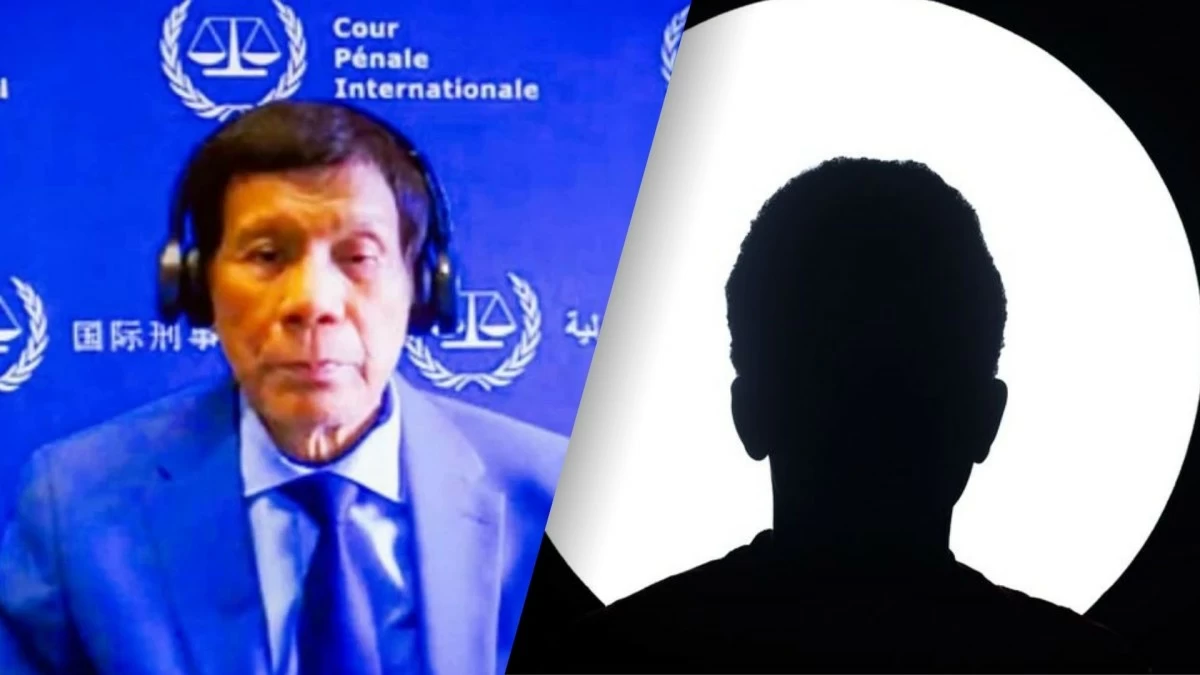
Former president Rodrigo Duterte (ICC/Pexels)

The International Criminal Court (ICC) has granted former president Rodrigo Duterte's request to relax certain communication restrictions imposed on him, allowing him to have contact with a redacted individual while keeping broader restrictions in place.

In a seven-page decision dated June 11, Trial Chamber III ordered the ICC Registry to add the unidentified person to Duterte's list of non-privileged contacts under existing monitoring conditions.

The public version of the decision did not identify the individual involved, with several portions of the document redacted.

The chamber said the prohibitions on calls and visits between Duterte and the redacted individual “no longer seem necessary.”

No reported violations

In granting the request, the chamber noted that there had been no reported violations by Duterte since the earlier restrictions were imposed.

The judges also took into account that the prosecution did not object to the request and that the ICC's Victims and Witnesses Unit had identified no concerns that would warrant opposing it.

The Registry likewise confirmed that it has the capacity to continue implementing and monitoring Duterte's contact restrictions if the request was granted.

Prosecution raised no objection

The ruling showed that the Office of the Prosecutor did not oppose allowing contact between Duterte and the redacted individual, provided that the existing contact restrictions regime remained in force.

The chamber also noted that the Common Legal Representatives of Victims did not submit observations within the prescribed period.

Restrictions remain

Despite partially relaxing Duterte's communication restrictions, the ICC emphasized that the broader contact restrictions remain necessary.

The chamber ruled that the circumstances justifying the current restrictions have not changed and ordered their continuation, subject only to the modification allowing communication with the redacted individual.

It also directed the Registry to immediately inform the chamber of any violation of the restrictions or any relevant developments in the case.

Duterte case

Duterte is facing charges of crimes against humanity before the ICC over killings linked to his administration's anti-illegal drugs campaign.

On April 23, 2026, Pre-Trial Chamber I confirmed the charges against the former president and referred the case to Trial Chamber III.

The trial chamber's latest decision pertains only to Duterte's conditions of communication and detention and does not affect the confirmed charges or the proceedings on the merits of the case.

The ICC has scheduled a status conference on June 17 and the commencement of trial proceedings on Sept. 23, 2026, at its headquarters in The Hague, the Netherlands.

Related Tags

President Duterte Rodrigo Duterte ICC International Criminal Court crimes against humanity
ADVERTISEMENT
.most-popular .layout-ratio{ padding-bottom: 79.13%; } @media (min-width: 768px) and (max-width: 1024px) { .widget-title { font-size: 15px !important; } }

{{ articles_filter_1561_widget.title }}

.most-popular .layout-ratio{ padding-bottom: 79.13%; } @media (min-width: 768px) and (max-width: 1024px) { .widget-title { font-size: 15px !important; } }

{{ articles_filter_1562_widget.title }}

.most-popular .layout-ratio{ padding-bottom: 79.13%; } @media (min-width: 768px) and (max-width: 1024px) { .widget-title { font-size: 15px !important; } }

{{ articles_filter_1563_widget.title }}

{{ articles_filter_1564_widget.title }}

.mb-article-details { position: relative; } .mb-article-details .article-body-preview, .mb-article-details .article-body-summary{ font-size: 17px; line-height: 30px; font-family: "Libre Caslon Text", serif; color: #000; } .mb-article-details .article-body-preview iframe , .mb-article-details .article-body-summary iframe{ width: 100%; margin: auto; } .read-more-background { background: linear-gradient(180deg, color(display-p3 1.000 1.000 1.000 / 0) 13.75%, color(display-p3 1.000 1.000 1.000 / 0.8) 30.79%, color(display-p3 1.000 1.000 1.000) 72.5%); position: absolute; height: 200px; width: 100%; bottom: 0; display: flex; justify-content: center; align-items: center; padding: 0; } .read-more-background a{ color: #000; } .read-more-btn { padding: 17px 45px; font-family: Inter; font-weight: 700; font-size: 18px; line-height: 16px; text-align: center; vertical-align: middle; border: 1px solid black; background-color: white; } .hidden { display: none; }
function initializeAllSwipers() { // Get all hidden inputs with cms_article_id document.querySelectorAll('[id^="cms_article_id_"]').forEach(function (input) { const cmsArticleId = input.value; const articleSelector = '#article-' + cmsArticleId + ' .body_images'; const swiperElement = document.querySelector(articleSelector); if (swiperElement && !swiperElement.classList.contains('swiper-initialized')) { new Swiper(articleSelector, { loop: true, pagination: false, navigation: { nextEl: '#article-' + cmsArticleId + ' .swiper-button-next', prevEl: '#article-' + cmsArticleId + ' .swiper-button-prev', }, }); } }); } setTimeout(initializeAllSwipers, 3000); const intersectionObserver = new IntersectionObserver( (entries) => { entries.forEach((entry) => { if (entry.isIntersecting) { const newUrl = entry.target.getAttribute("data-url"); if (newUrl) { history.pushState(null, null, newUrl); let article = entry.target; // Extract metadata const author = article.querySelector('.author-section').textContent.replace('By', '').trim(); const section = article.querySelector('.section-info ').textContent.replace(' ', ' '); const title = article.querySelector('.article-title h1').textContent; // Parse URL for Chartbeat path format const parsedUrl = new URL(newUrl, window.location.origin); const cleanUrl = parsedUrl.host + parsedUrl.pathname; // Update Chartbeat configuration if (typeof window._sf_async_config !== 'undefined') { window._sf_async_config.path = cleanUrl; window._sf_async_config.sections = section; window._sf_async_config.authors = author; } // Track virtual page view with Chartbeat if (typeof pSUPERFLY !== 'undefined' && typeof pSUPERFLY.virtualPage === 'function') { try { pSUPERFLY.virtualPage({ path: cleanUrl, title: title, sections: section, authors: author }); } catch (error) { console.error('ping error', error); } } // Optional: Update document title if (title && title !== document.title) { document.title = title; } } } }); }, { threshold: 0.1 } ); function showArticleBody(button) { const article = button.closest("article"); const summary = article.querySelector(".article-body-summary"); const body = article.querySelector(".article-body-preview"); const readMoreSection = article.querySelector(".read-more-background"); // Hide summary and read-more section summary.style.display = "none"; readMoreSection.style.display = "none"; // Show the full article body body.classList.remove("hidden"); } document.addEventListener("DOMContentLoaded", () => { let loadCount = 0; // Track how many times articles are loaded const offset = [1, 2, 3, 4, 5, 6, 7, 8, 9, 10]; // Offset values const currentUrl = window.location.pathname.substring(1); let isLoading = false; // Prevent multiple calls if (!currentUrl) { console.log("Current URL is invalid."); return; } const sentinel = document.getElementById("load-more-sentinel"); if (!sentinel) { console.log("Sentinel element not found."); return; } function isSentinelVisible() { const rect = sentinel.getBoundingClientRect(); return ( rect.top < window.innerHeight && rect.bottom >= 0 ); } function onScroll() { if (isLoading) return; if (isSentinelVisible()) { if (loadCount >= offset.length) { console.log("Maximum load attempts reached."); window.removeEventListener("scroll", onScroll); return; } isLoading = true; const currentOffset = offset[loadCount]; window.loadMoreItems().then(() => { let article = document.querySelector('#widget_1690 > div:nth-last-of-type(2) article'); intersectionObserver.observe(article) loadCount++; }).catch(error => { console.error("Error loading more items:", error); }).finally(() => { isLoading = false; }); } } window.addEventListener("scroll", onScroll); });

Sign up by email to receive news.