







US suspends crab meat imports from PH
Published Jun 12, 2026 09:37 pm


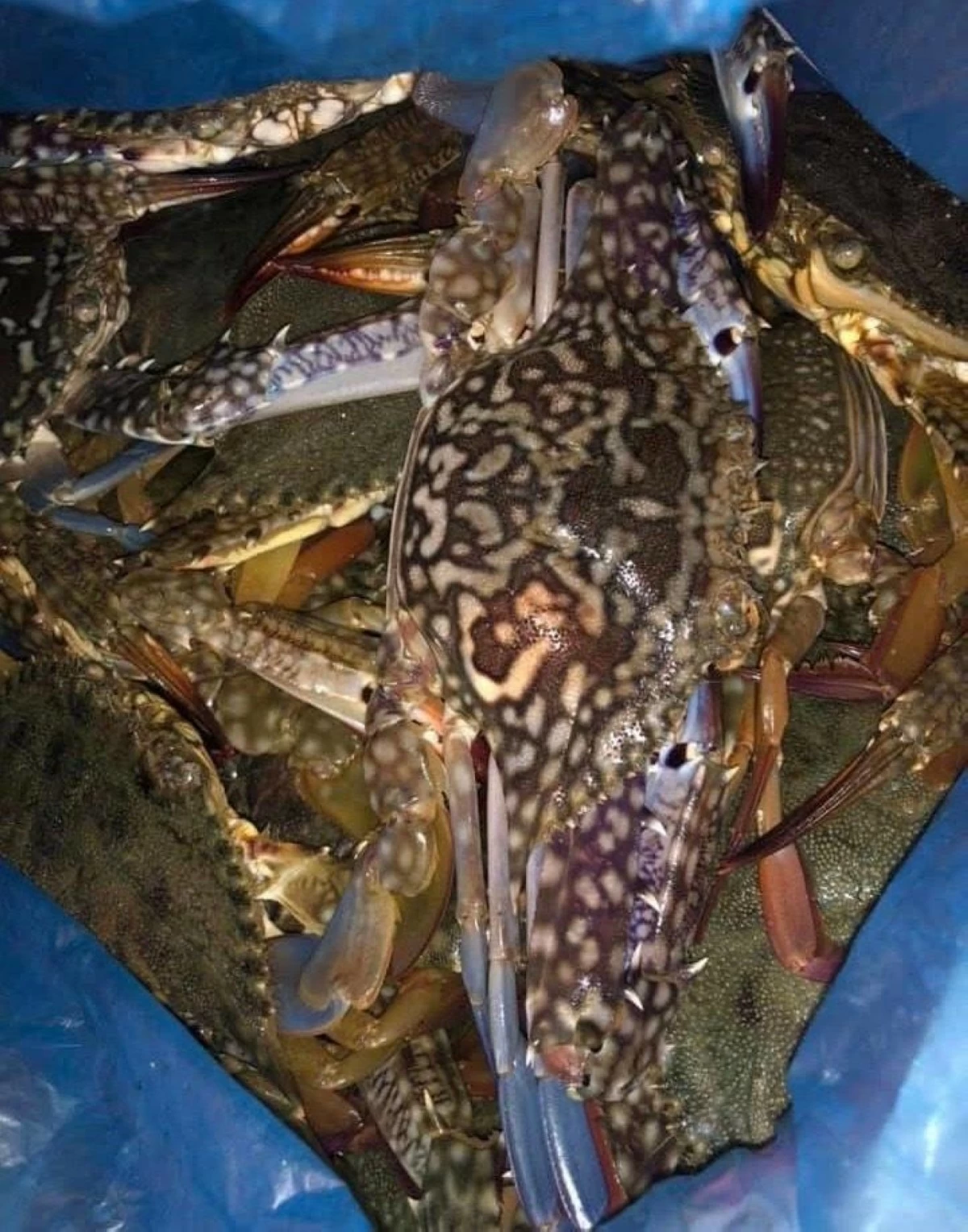
BLUE crabs from Negros Occidental. (Glazyl Masculino)
BACOLOD CITY – Exporters and provincial government officials in Negros Occidental have raised serious concerns about the United States’ suspension of crab meat product imports from the Philippines.
On Friday, the Philippine Exporters Confederation Inc. (PhilExport) Negros Chapter issued a statement saying the ban, effective June 11, could threaten the livelihood of thousands of workers and fishing communities across the country.
"We call for the immediate engagement between Philippine and US authorities to clarify and resolve the issues that led to the suspension," they said.
The PhilExport Negros Chapter's statement came after a meeting on June 10 here with PhilExport Inc. national trustee Diana Santos, attended by chapter director Mary Ann Colmenares as well as shoreline-member exporters, including the Saravia Blue Crab Inc., a major blue crab processing company in Negros Occidental.
The group also sought enhanced support for affected exporters, processors, and fishing communities, as well as strengthened fisheries monitoring, sustainability measures, and regulatory compliance mechanisms.
They further underscored the need for the "development of alternative export markets to reduce dependence on a single destination and improve industry resilience."
"PhilExport Negros stands ready to work with government agencies, industry partners, and stakeholders to protect jobs, preserve export opportunities, and ensure the continued growth of Philippine exports," they added.
Earlier this week, Negros Occidental Provincial Board passed a resolution urging the Department of Agriculture, through the Bureau of Fisheries and Aquatic Resources, the Department of Environment and Natural Resources, and other concerned agencies to immediately address compliance issues that led to the market closure.
On May 12, the US National Marine Fisheries Service announced that imports of Philippine blue swimming crab products would be restricted due to inadequate documentation on mandatory marine mammal protection and bycatch monitoring programs.
Third District Board Member Hope Marey Depasucat, who authored the resolution, said Negros Occidental is home to about 20 crab-picking stations, hundreds of landing sites, thousands of crab fishers and crab pickers, and two major crab processing and export facilities, making the province particularly vulnerable to the impact of the US market closure.
Noting that the US accounts for approximately 90 percent of Philippine blue swimming crab exports, Depasucat said the loss of access to the country's primary export market could have serious economic consequences for coastal communities and industry stakeholders.
She pointed out that the restriction was not based on product quality, food safety, or sanitary concerns, but stemmed from insufficient documentation showing compliance with marine mammal bycatch monitoring programs, mandatory reporting systems for marine mammal injuries or deaths, and other conservation measures required under US regulations. (With PNA)