






Manila Bulletin
 Business
Trade & Industry
AI spending cushions global shipping from Middle East disruption
Business
Trade & Industry
AI spending cushions global shipping from Middle East disruption
Business
Trade & Industry
AI spending cushions global shipping from Middle East disruption
AI spending cushions global shipping from Middle East disruption
Published Jun 8, 2026 12:00 am
|
Updated Jun 7, 2026 07:02 am


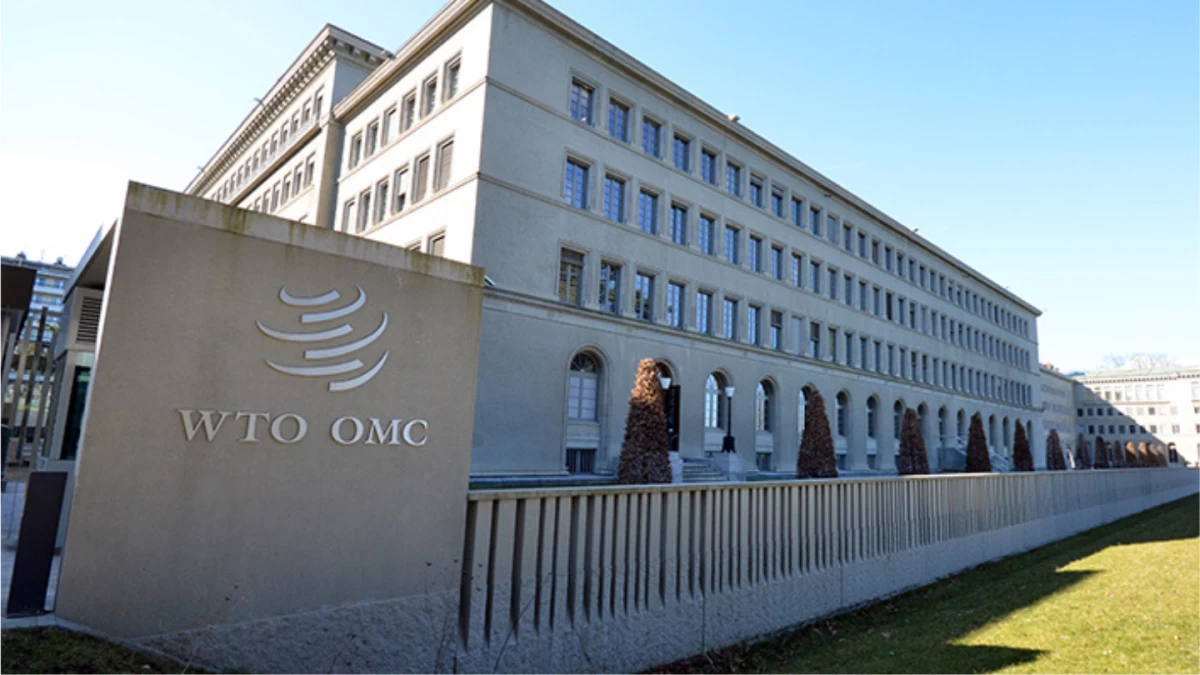
The growth in global trade in goods continues to show positive signs of resilience in the first half of 2026, overcoming projections of a subpar growth year amid uncertainties caused by the Middle East conflict, according to the World Trade Organization (WTO).
In a report published last week, the WTO said its goods trade barometer index eased to 101.7 in April from 102.3 in January, which suggests that merchandise trade may be starting to slow.
The index, however, is above the baseline value of 100, which means that the volume of trade is still above trend.
The WTO’s goods trade barometer is a composite indicator that signals current and near-term developments in global merchandise trade by three to four months on average.
A reading above 100 reflects above-trend trade volumes, while a reading below 100 indicates that the volume of trade has fallen below trend.
The goods trade barometer index aggregates information from several component indices representing trade variables, including export orders, international air freight, container shipping, automotive products, agricultural raw materials and electronic components.
The barometer's component indices were all near their common baseline value of 100 as of April, except for the electronic components index, which rose firmly above trend to 105.5.
The increase in this index was attributed to rising demand for electronic components related to artificial intelligence (AI), which helped counter the impact of the conflict in the Middle East on global trade growth.
“The negative impact of the Middle East conflict may have been partly offset by surging demand for electronic components related to AI investment,” the WTO said.
In a report released on March 19, just two weeks after the United States (US) and Israel mounted their offensive against Iran, the WTO projected that merchandise trade growth could slow to 1.9 percent in 2026 from 4.6 percent last year under a baseline scenario.
The Geneva-based trade body said it could further weaken to just 1.4 percent under a scenario in which the conflict persists through the end of the year, resulting in higher-than-average fuel and transportation costs.
The WTO said sustained investments in AI could help cushion the impact of higher costs by adding 0.5 percentage points to the growth rate.
The upward trend in the electronic components index driven by AI also helped temper the weaker performance of other indices in the goods trade barometer.
The WTO said the agricultural raw materials index was below trend at 98.9, while the automotive products index edged slightly lower to 99.8.
The export orders index was slightly above trend at 100.5, while the indices for air freight and container shipping rose to 102.2 and 102.4, respectively.
“On balance, the indices show signs of resilience, signalling relatively stable global merchandise trade growth,” the WTO said.