






Manila Bulletin
 Business
Banking & Finance
Google Pay adoption lags in Philippines despite Android dominance
Business
Banking & Finance
Google Pay adoption lags in Philippines despite Android dominance
Business
Banking & Finance
Google Pay adoption lags in Philippines despite Android dominance
Google Pay adoption lags in Philippines despite Android dominance
By Derco Rosal
Published Jun 3, 2026 05:30 pm
|
Updated Jun 3, 2026 03:40 pm


At A Glance
- While local usage of Google Pay over physical cards is improving on a monthly basis, Visa said overall adoption remains slow, a trend mirroring the deployment of the mobile payment provider in other countries.
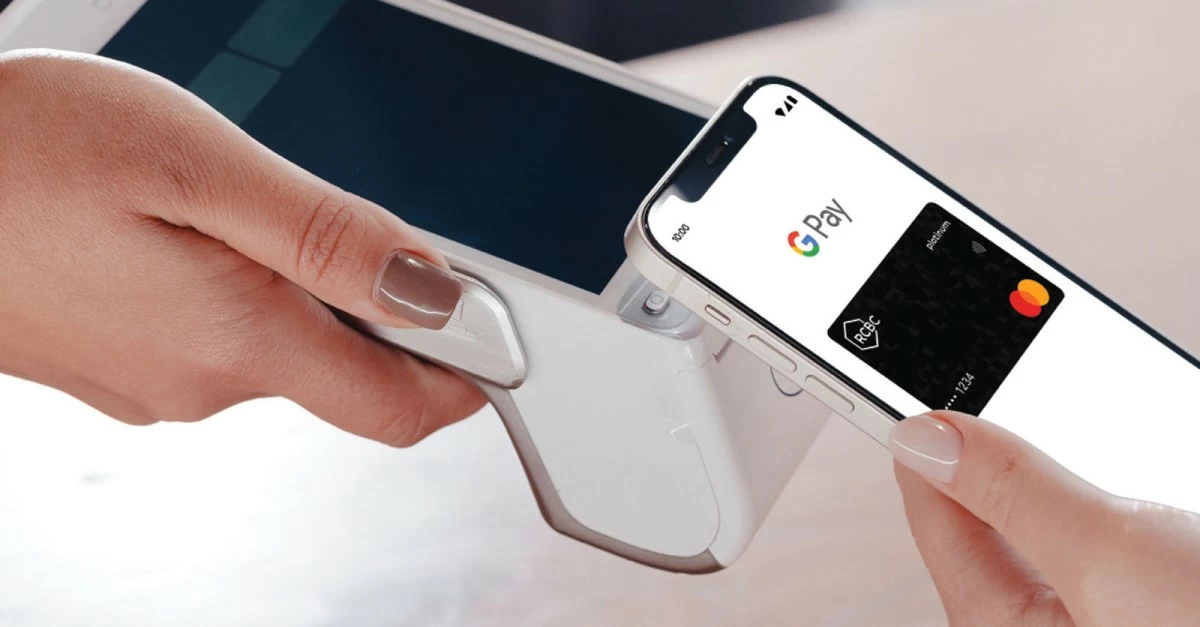
Google Pay adoption in the Philippines remains slow six months after its debut, mirroring early launch patterns seen in other global markets as digital wallets struggle to capture a meaningful slice of local transaction volumes.
While the use of the mobile payment provider over physical cards is expanding on a monthly basis, total transaction volumes for digital wallets have yet to cross the 10 percent threshold of total market transactions, according to Jeffrey Navarro, country manager for Visa Philippines.
“We’re still waiting for other players, other banks, and slowly you can see some of them are already announcing as well,” Navarro told reporters on the sidelines of a recent industry event, describing current adoption as “not too big yet” despite visible month-on-month improvement.
Google Pay debuted in the country in November last year, prioritizing it because Android devices account for roughly 80 percent of the local smartphone market. Visa supported the initial rollout alongside seven partner issuers: Chinabank, EastWest Bank, GoTyme Bank, Maya Bank, RCBC, UnionBank, and Wise.
Competing networks and local fintech platforms have also integrated the service, including Mastercard and the country’s dominant mobile wallet, GCash, alongside newer entrants like Zed, PesoPay, and PayerMax.
Other major financial institutions and payment gateways, including Bank of the Philippine Islands, Beep, 2C2P, PayMongo, and PayRex, are expected to activate the service in the near term.
Despite the sluggish start, Navarro said domestic banks maintain a steady interest in integrating digital wallets into their consumer offerings.
He emphasized that accelerating adoption hinges on building an ecosystem tailored for daily transactions rather than occasional retail purchases.
“Normally, you see it become stickier once it is used for everyday payments,” Navarro said. “So, once that ecosystem is in place, we expect to see it ramp up.”
The measured pace of the Android-based roll-out appears to be affecting competing platforms as well. The local launch of Apple Pay has been deferred to the third quarter of this year, according to Lito Villanueva, founding chairman of Fintech Alliance PH.
The tech giant delayed the rollout to ensure that a broader coalition of larger banking institutions and payment players are fully onboarded before the platform goes live, Villanueva said.