






Manila Bulletin
 Business
The Economy
Big oil price rollback ahead: Here's how much you could save next week
Business
The Economy
Big oil price rollback ahead: Here's how much you could save next week
Business
The Economy
Big oil price rollback ahead: Here's how much you could save next week
Big oil price rollback ahead: Here's how much you could save next week
Published May 29, 2026 11:42 am
|
Updated May 29, 2026 01:18 pm


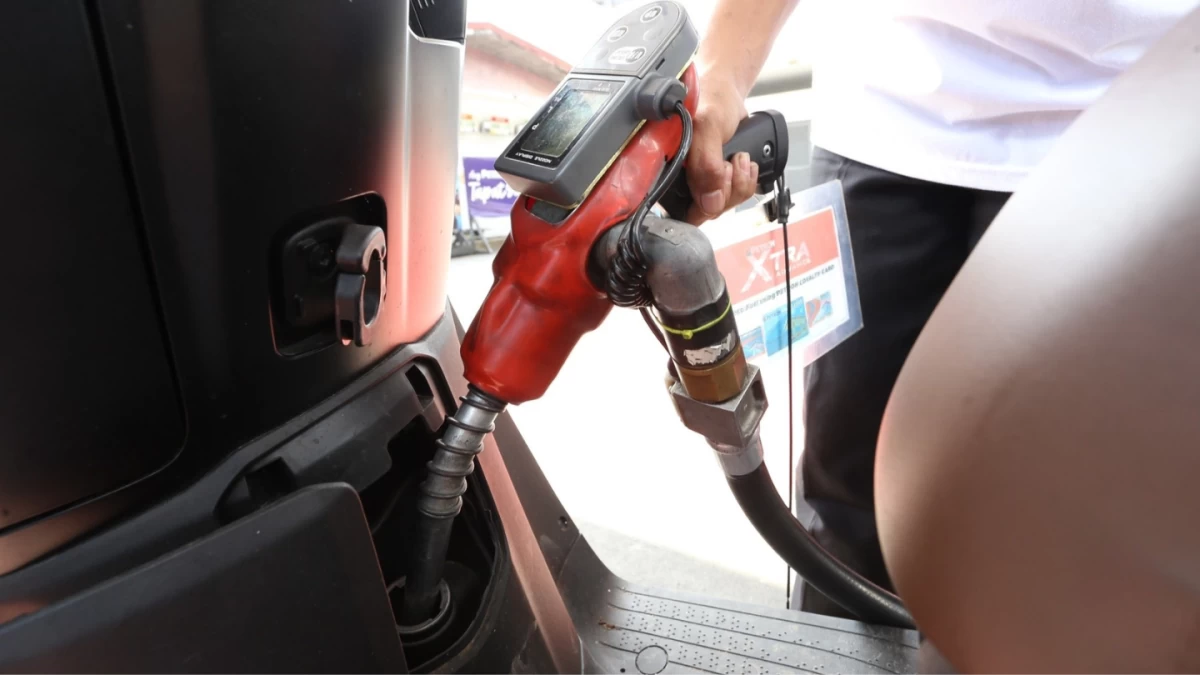
Consumers are poised for much-needed relief at the pump next week as global oil benchmarks edge lower on rising optimism surrounding a potential 60-day ceasefire between the United States (US) and Iran, which could lead to the reopening of the critical Strait of Hormuz.
Based on the four-day Mean of Platts Singapore (MOPS) and foreign exchange averages, the price of diesel in the domestic market is projected to decline by ₱6.50 to ₱7.50 per liter. Gasoline prices are also expected to decrease by ₱3.50 to ₱4.50 per liter. Local oil companies are scheduled to announce the final fuel price adjustments on Monday, June 1.
While structural market pressures persist after months of conflict, the anticipated conclusion of a peace deal in the Middle East, a moderation in supply tightness, and the potential restoration of maritime traffic through the chokepoint are driving the downward price momentum.
Crude and refined fuel product prices are under pressure from improving market sentiment as Washington and Tehran move closer to a tentative memorandum of understanding, according to industry analysts.
Even though both nations remain at odds over several key issues, including Iran's nuclear program and uranium stockpiles, the prospect of an unhindered reopening of the world’s most critical maritime energy corridor has alleviated immediate supply anxieties.
The severe supply tightness that has characterized the diesel market is beginning to ease, weighing heavily on the price benchmark. Recent developments indicate that refined product supply conditions are improving as regional refiners increasingly secure alternative crude supplies, allowing them to stabilize production.
In contrast, the outlook for gasoline remains cautious. Asian markets continue to face volatility due to lower global inventories, a situation exacerbated by high demand during the peak summer travel season.
Furthermore, the operational recovery of the Strait of Hormuz faces logistical headwinds. Industry experts, including analysts at ING Economics, noted that shipowners may remain hesitant to deploy vessels into the Persian Gulf given the risk of a ceasefire collapse and the long lag time required to restore comprehensive treaty reinsurance capacity.
Upstream production and refined product flows will also require a gradual recovery phase. Regional refineries must ramp up output slowly, particularly because critical energy infrastructure was targeted in attacks earlier in the conflict. Consequently, analysts warn that a swift return to double-digit price declines remains unlikely. Any official confirmation of a diplomatic breakthrough means significant further downside for global oil prices is likely limited during the early stages of a ceasefire, leaving the structurally tight market vulnerable to continued volatility.