







Manila targets June conclusion for EU free trade deal
Published May 25, 2026 05:25 pm


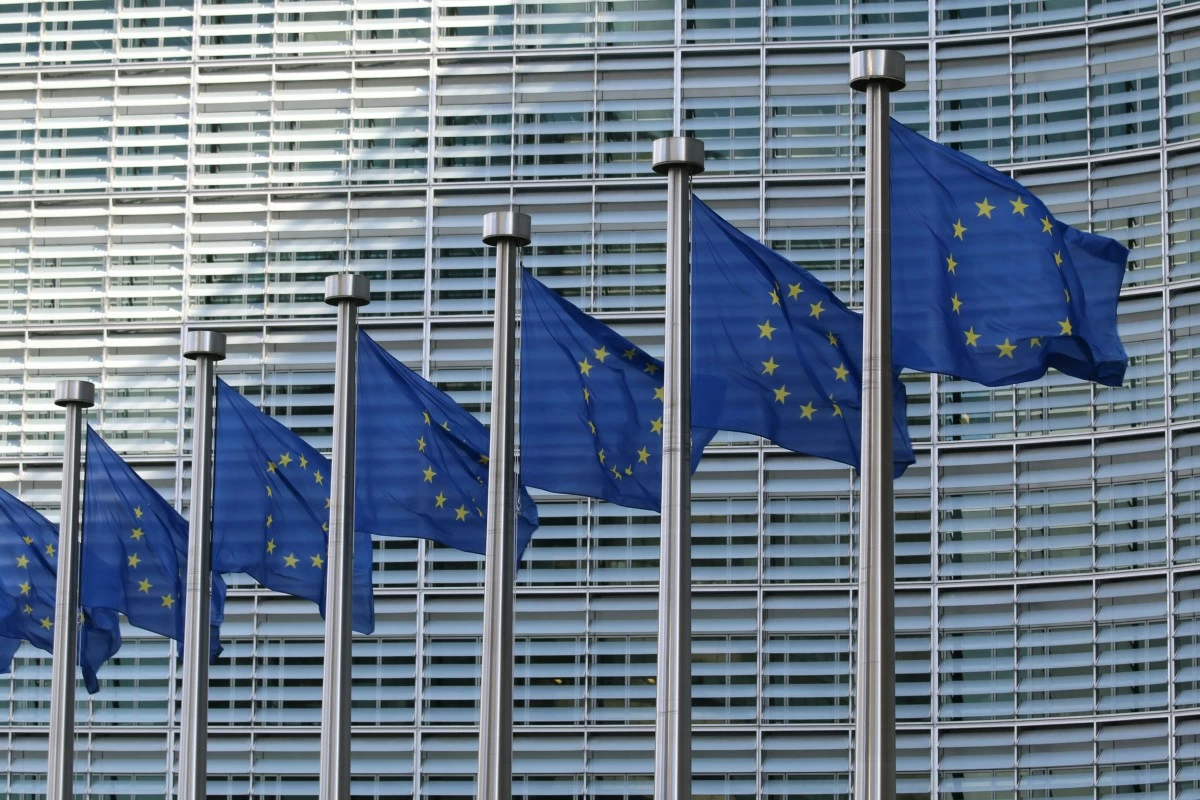
A display of European Union flags (Unsplash)
The Philippines will hold the next round of negotiations for a free trade agreement (FTA) with the European Union (EU) next month, taking one step closer towards the conclusion of a historic deal that would grant wider market access to the country’s exports.
Trade Undersecretary Allan Gepty told Manila Bulletin that the upcoming round of talks between Manila and the regional trade bloc will be held in Brussels, the de facto capital of the EU, beginning June 29 to July 3.
The most recent round of talks between the Philippines and the EU was held in Manila from May 18 to 22.
During this round, both sides made substantial progress across key chapters of the FTA, including rules of origin, intellectual property, and digital trade.
Breakthroughs were also achieved on market access for trade in goods, services and investment, as well as government procurement, according to the DTI.
Since negotiations for the FTA resumed in 2024, the Philippines and the EU have completed six rounds of talks so far.
Gepty said he is optimistic that the seventh round of negotiations would be the final one, coinciding with the target conclusion date set by the DTI.
Trade Secretary Cristina Roque said talks for a trade pact with the EU, which she described as a “game-changer” for the domestic export industry, will be completed by June or July.
This sentiment was shared by EU Ambassador to the Philippines Massimo Santoro, who said negotiations should be finalized soon given the current pace of talks.
Once the FTA enters into force, the agreement will provide more seamless access for the country’s products to the 27 members of the EU, including France, Germany, Italy, and the Netherlands.
The EU was the Philippines’ fifth-largest trading partner last year, with total trade amounting to $18.10 billion. Exports to the EU reached $9.77 billion, while imports from the EU to the Philippines stood at $8.34 billion, data from the Philippine Statistics Authority (PSA) showed.
Last week, Philippine Chamber of Commerce and Industry (PCCI) President Ferdinand Ferrer said the private sector is looking forward to the business opportunities that will come with the FTA.
However, he noted that wider market access may not benefit smaller companies as much, given that the EU’s product quality standards are more difficult to comply with.
“So we just have to learn and adjust a little bit there, which we will do,” said Ferrer.
The trade deal with the EU would replace the Generalized Scheme of Preferences Plus (GSP+), which the Philippines currently benefits from before its eligibility expires next year.
Under the GSP+, the country enjoys tariff-free access for the export of 6,274 products to the EU.