






 Business
Trade & Industry
APEC trade ministers push open trade amid protectionism fears
Business
Trade & Industry
APEC trade ministers push open trade amid protectionism fears
APEC trade ministers push open trade amid protectionism fears


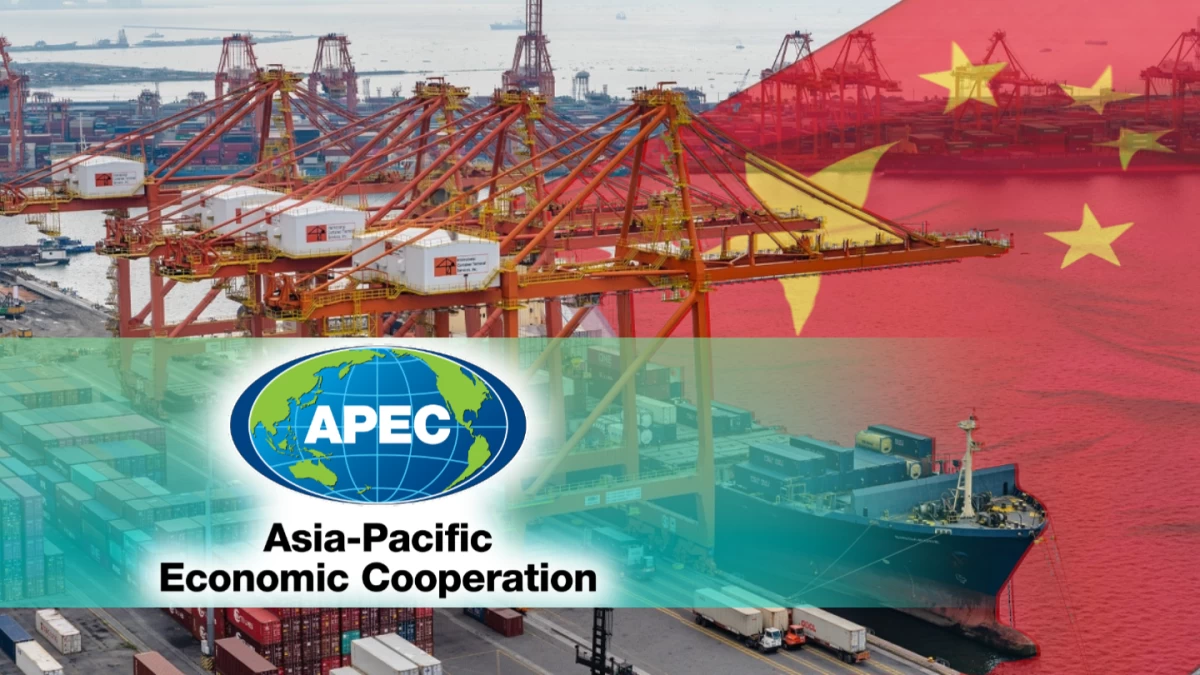
Trade ministers from member economies of the Asia-Pacific Economic Cooperation (APEC) affirmed the need to uphold open and rules-based global trade to ensure the region’s economic growth amid the rise of protectionist policies.
During the opening of the APEC Ministers Responsible for Trade (MRT) Meeting in Suzhou, China on Friday, May 22, trade officials from the regional bloc expressed support for greater cooperation in a bid to counter ongoing challenges in the global trading environment.
Chinese Vice Commerce Minister Li Chenggang, who represented the host country, said the spread of protectionism on the global stage is amplifying the risks of trade fragmentation across APEC and its 21 member economies.
He said this makes it critical for APEC economies to strengthen cooperation to successfully navigate the current “challenging” economic landscape and promote economic resilience.
Global trade is facing a double whammy of protectionist measures, such as the imposition of higher tariffs, and supply chain disruptions caused by the conflict in the Middle East.
To this end, Li recalled that trade and investment liberalization has always been the region’s way forward through previous crises, making it critical to “stay true to [APEC’s] founding mission.”
“It becomes ever more necessary for us to seek common ground, respect differences and overcome our difficulties together, injecting confidence into the world economy,” he said.
Since APEC members are at different stages of development, he said efforts to cooperate must focus on a “rational and pragmatic approach” instead of zero-sum thinking.
One major approach for China during its chairmanship of APEC is advancing the proposed Free Trade Area of the Asia-Pacific (FTAAP) to keep the region economically integrated.
FTAAP aims to deepen economic integration among the 21 APEC members by removing barriers to trade, such as tariffs. While it was first proposed more than two decades ago, the planned free trade agreement remains on paper.
During the MRT meeting, APEC economies also explored the need for standards coordination and trade facilitation to unlock the potential of artificial intelligence (AI) within the Asia-Pacific region.
Trade ministers likewise discussed initiatives to support more resilient supply chains, including cooperation on low-carbon technologies to help economies pursue growth while advancing sustainability goals.
“This meeting will send a strong signal to the world that APEC upholds and advances multilateralism, strengthening confidence in Asia-Pacific cooperation and providing meaningful contributions to the Leaders’ Meeting in Shenzhen later this year,” said Li.