






Manila Bulletin
 Lifestyle
Fashion and Beauty
Are solid perfumes actually better than liquid fragrances?
Lifestyle
Fashion and Beauty
Are solid perfumes actually better than liquid fragrances?
Lifestyle
Fashion and Beauty
Are solid perfumes actually better than liquid fragrances?
Are solid perfumes actually better than liquid fragrances?
Filipino perfumers discuss layering, longevity, and the appeal of intimate scents
Published May 16, 2026 09:42 am


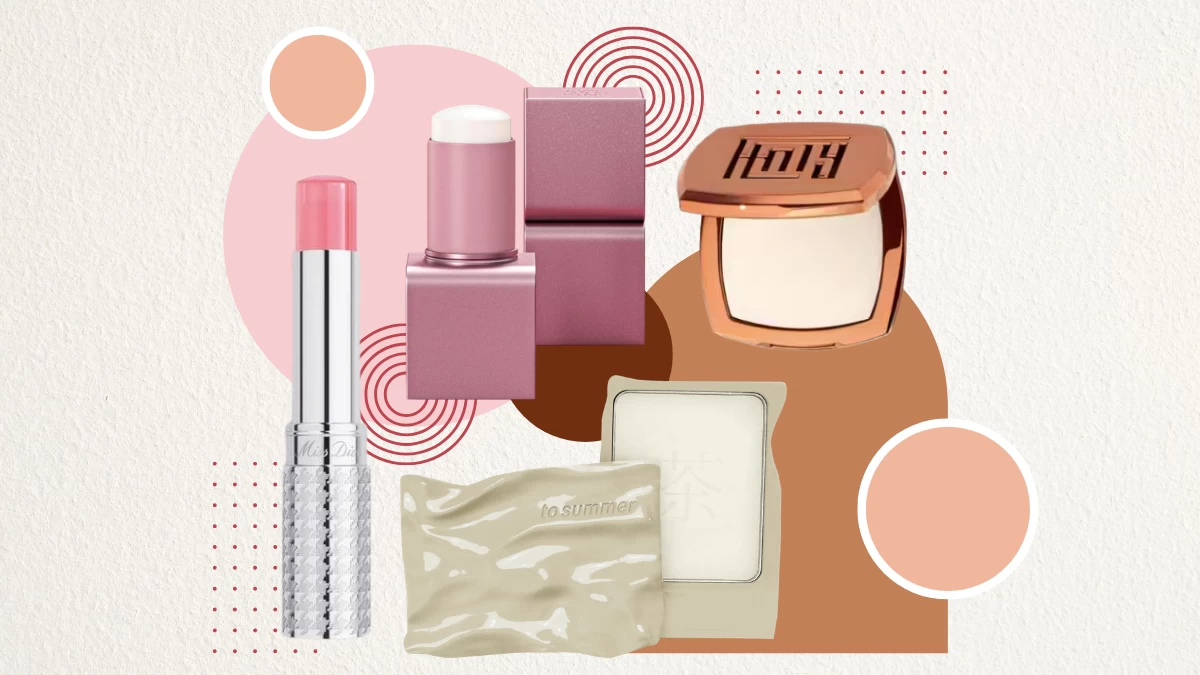
DISCREET LUXURY Solid perfumes are becoming more popular as luxury fragrance houses dropping their collections (Photo: Illustration by Nancy Andam/Manila Bulletin)
A quiet luxury is slowly making its way into mainstream perfume conversations through solid perfumes. Instead of the airy and explosive experience of spritzing a fragrance, some scent lovers are now embracing the slower and more intentional ritual of applying perfume in wax or balm form throughout the day.
While solid perfumes are not exactly new, with brands like Glossier and Diptyque having introduced them years ago, more luxury fragrance houses are now joining the movement. Dior has its solid version of Miss Dior, while South Korean cult favorite Tamburins, China’s luxury fragrance label To Summer, Fenty, and even Victoria’s Secret with its Very Sexy Collection have entered the category. The latter is now available in the Philippines.
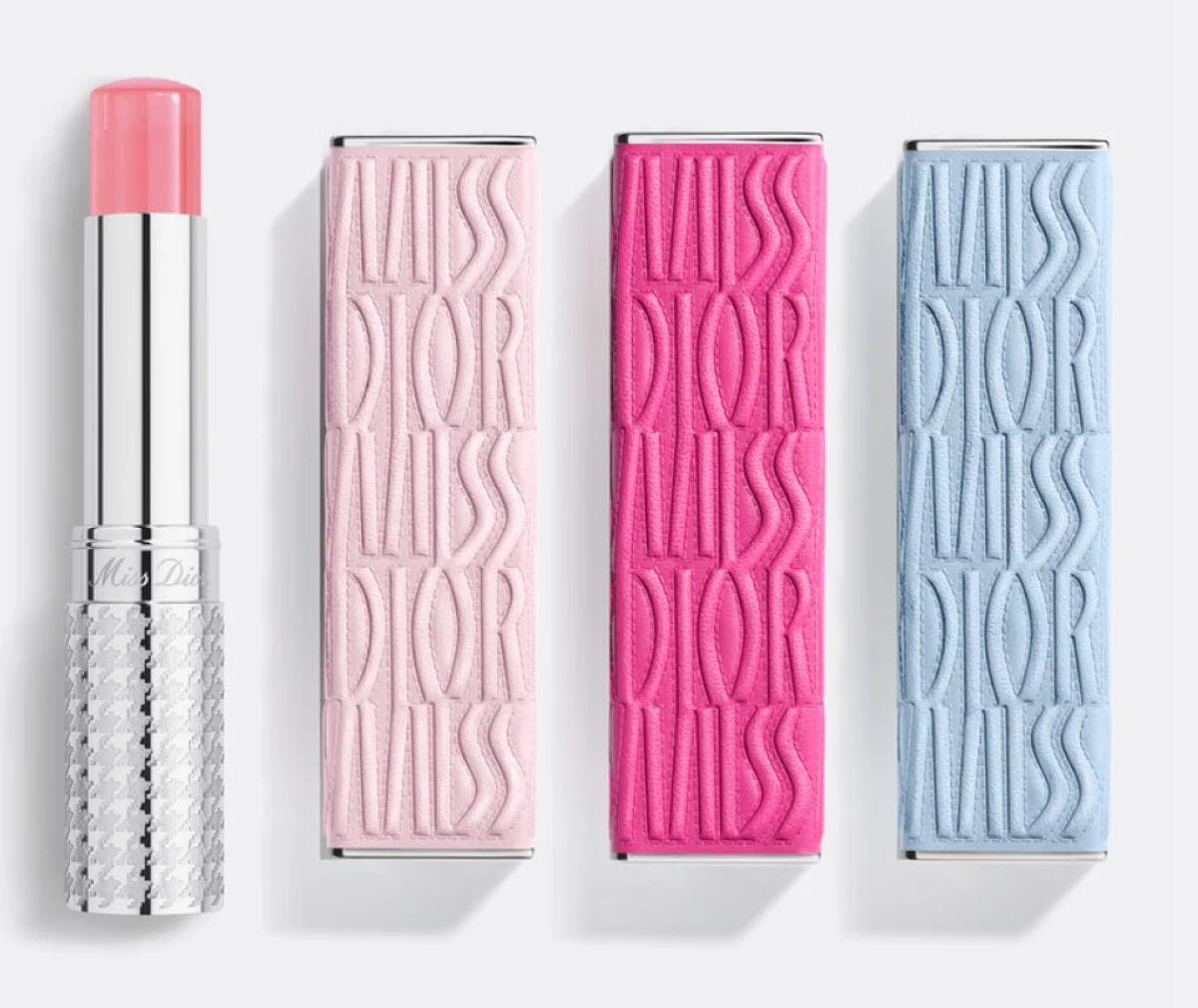
Miss Dior Mini Miss Mix & Match (Photo: Dior)
But portability alone does not explain why solid perfumes are gaining attention again. More importantly, can they actually work in a tropical country like the Philippines? To better understand the growing fascination surrounding solid scents, we spoke with two Filipino perfumers: Renato “RJ” Lopena Jr. of Wren Atelier and Oscar Mejia III of Oscar Mejia Artisan Fragrances.
Oscar holds degrees in Chemistry and Materials Science and Engineering from Ateneo de Manila University, while RJ trained in Grasse, France, widely regarded as the perfume capital of the world. While both perfumers view the category differently, they agree that solid fragrances offer a distinctly different scent experience.
The appeal of skin-close scent
For Oscar, liquid and solid perfumes are designed for different moments and lifestyles. Liquid fragrances remain the preferred option for occasions where projection and sillage matter most. He explains that sprays are ideal for social gatherings because they help establish identity and presence. Their flexibility also allows users to apply scent on clothes and hair.
Solid perfumes, meanwhile, offer a more intimate experience. Since they are applied directly onto the skin, they stay closer to the body and can sometimes last longer. He also points out their practicality for commuting and office settings because wearers can enjoy the fragrance without overwhelming the people around them.
RJ agrees with this sentiment, emphasizing that the discussion is less about superiority and more about preference. For him, the biggest advantage of solid perfumes is convenience. They are portable, discreet, and easy to reapply throughout the day. However, he notes that they come with compromises, particularly weaker projection compared to traditional liquid fragrances. Depending on the formula, some can also feel sticky on the skin.
"Solid perfumes add more tactile experience for luxury brands. They feel more personal, elegant, and collectible," he says.

RJ Lopena Jr., founder (Image: Illustrated by Nancy Andam/Manila Bulletin)
The rise of solid perfumes, according to both perfumers, also reflects changing ideas of luxury. Oscar believes luxury consumers are now leaning away from excess and toward more intentional and tactile experiences. Applying fragrance through a balm format transforms scent into a ritual rather than a quick grooming step.
“With slow release and less projection, solid perfumes create that quiet luxury appeal where the act of putting fragrance is done more for you than for others,” he says.
He also notes that solid perfumes are often perceived as more eco-conscious because they use less alcohol and are commonly packaged in reusable or refillable containers.
For RJ, the trend is closely tied to the growing popularity of fragrance layering. Instead of carrying a bulky bottle around, users can simply bring a compact solid version to refresh or extend the scent they are already wearing. He adds that the tactile quality of solid perfumes also makes them feel more collectible and personal, particularly for luxury brands.
Secrets to lasting scents
When it comes to application, both perfumers recommend using solid perfume on pulse points such as the wrists, neck, collarbones, and behind the ears. Oscar advises applying on moisturized skin to help improve longevity, while RJ suggests treating solid perfumes as touch-up companions to existing fragrances.
Despite the growing global interest, the two have different outlooks on whether solid perfumes can dominate the Philippine fragrance scene. Oscar sees strong potential, citing the Filipino appreciation for intimacy, touch, and “ginhawa.” He also believes the country’s abundance of aromatic plants and essential oils could inspire uniquely Filipino solid fragrance creations.
“Solid perfumes have a strong market in the Philippines. As Filipinos, we are traditionally and culturally rooted in the appreciation of ginhawa anchored in intimacy and the sense of touch. Our penchant for massages and deep enveloping hugs are perfect opportunities to showcase your solid perfumes,” Oscar shares. “Essential oils work best with waxes too. Our country has a variety of aromatic plants and flowers with essential oil extraction potential. Incorporating them in solid perfumes maximizes their potency and allows us to appreciate their complex aroma.”

Oscar Mejia III (Image: Illustrated by Nancy Andam/Manila Bulletin)
RJ, however, sees solid perfumes remaining within a niche market for now. He shares that Wren Atelier originally planned to launch solid perfumes, but shifted focus after surveys showed that most Filipino fragrance consumers still preferred liquid scents.
Whether solid perfumes become mainstream or remain a niche luxury, one thing is certain—they are reshaping fragrance into something slower, quieter, and more personal.