







Humanoid robot maker EngineAI eyes Philippine market
Published May 1, 2026 12:01 am
|
Updated May 1, 2026 05:07 am


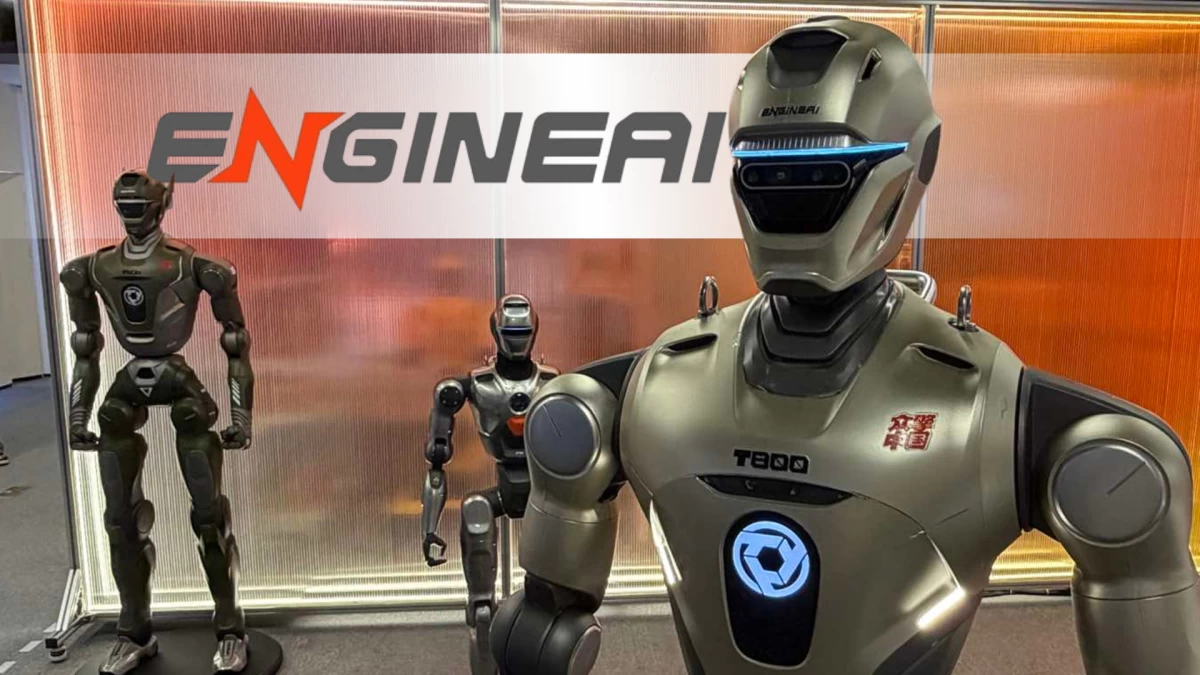
SHENZHEN, China — China-based humanoid robot firm EngineAI Robotics Technology Co. is seeking to expand into the Philippines as part of its broader strategy to dominate the emerging global market for general-purpose robotics.
Evan Yao, co-founder and marketing vice president at EngineAI, said the Shenzhen-based startup is currently in negotiations with several Philippine firms regarding potential distribution agreements.
“We haven't made a deal yet but we're very much looking forward to connecting with the Philippines,” he said in an interview at the Robot Valley Exhibition Hall here.
Established in 2023, EngineAI designs and manufactures cutting-edge humanoid robots and other machines aimed at catering to diverse scenarios, including research and education, industrial manufacturing, commercial services, and home companionship.
By creating robots that are able to seamlessly integrate into the real world, Yao said the company envisions a future where the world “gets rid of all the risks and repetitive work.”
“Everybody wants an easy life, right? And everybody wants fewer accidents, fewer deaths, and less danger,” he said.
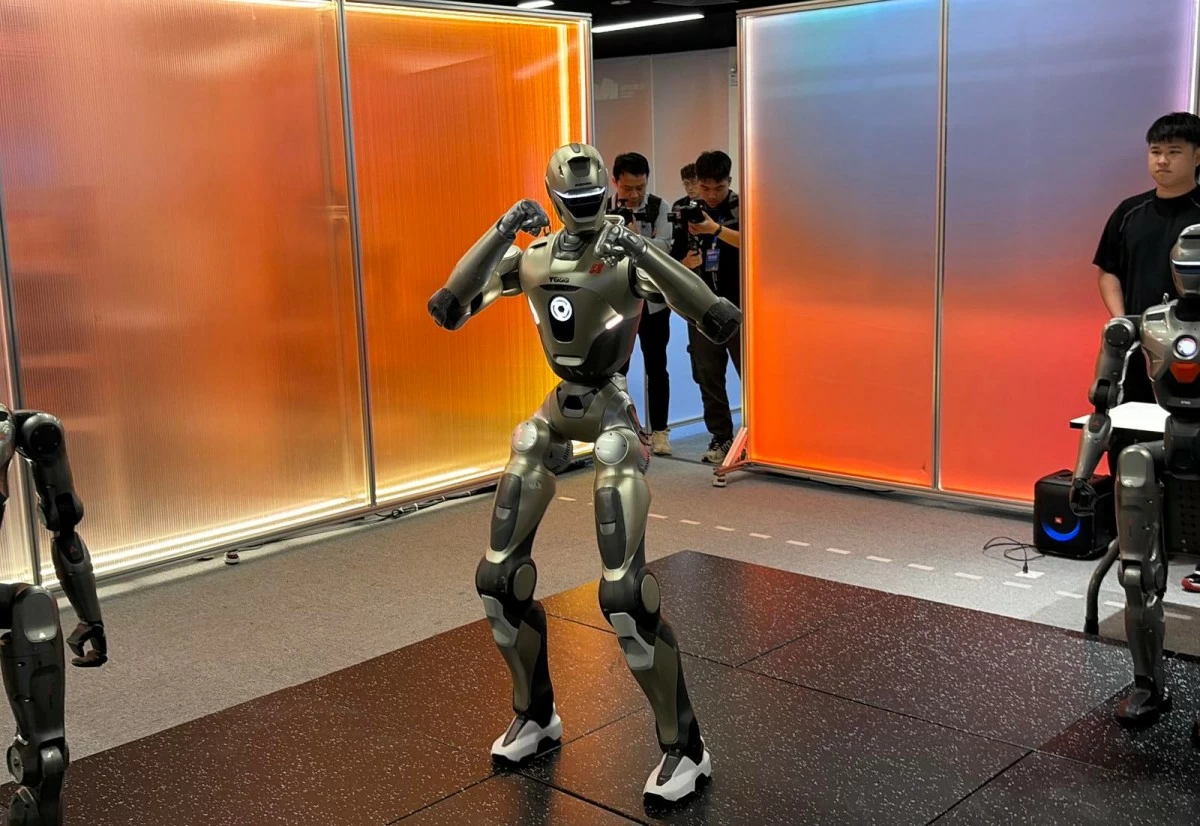
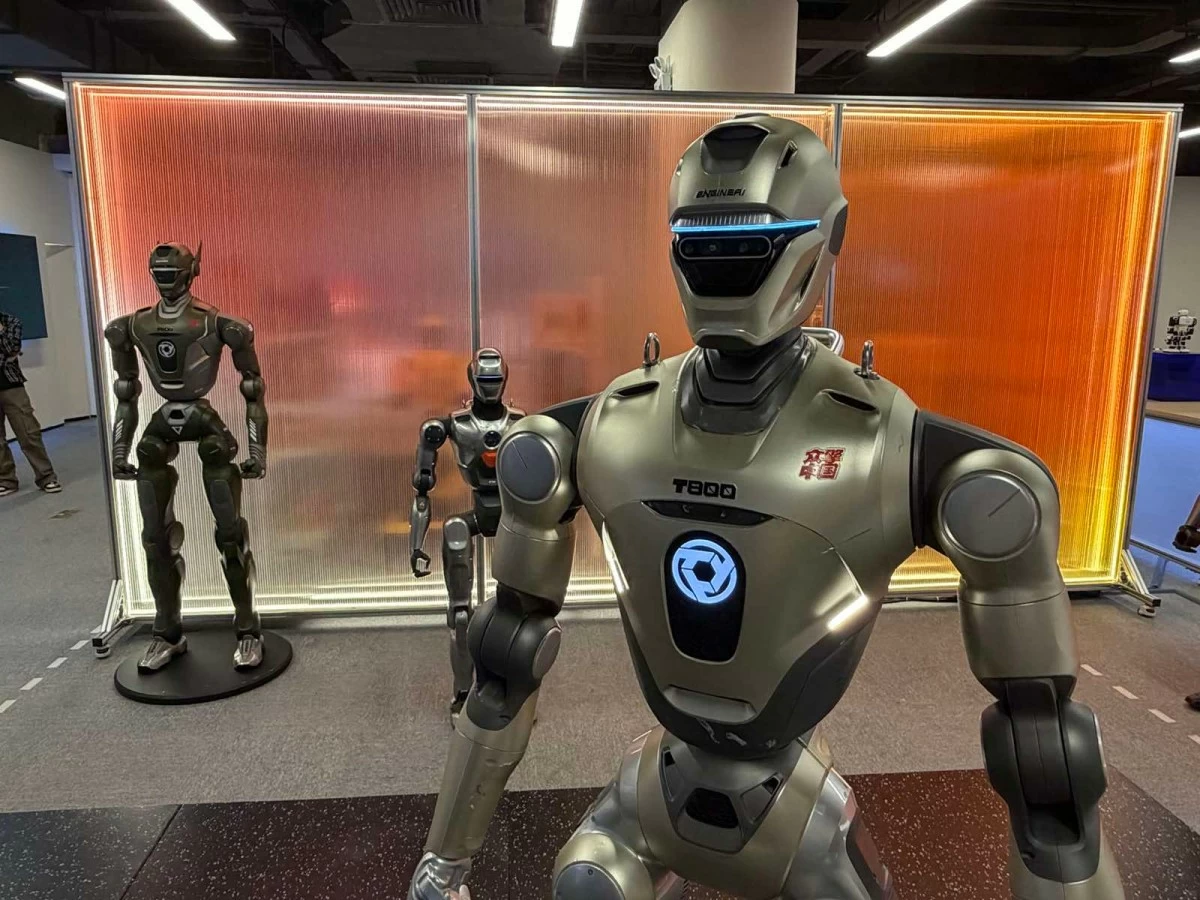
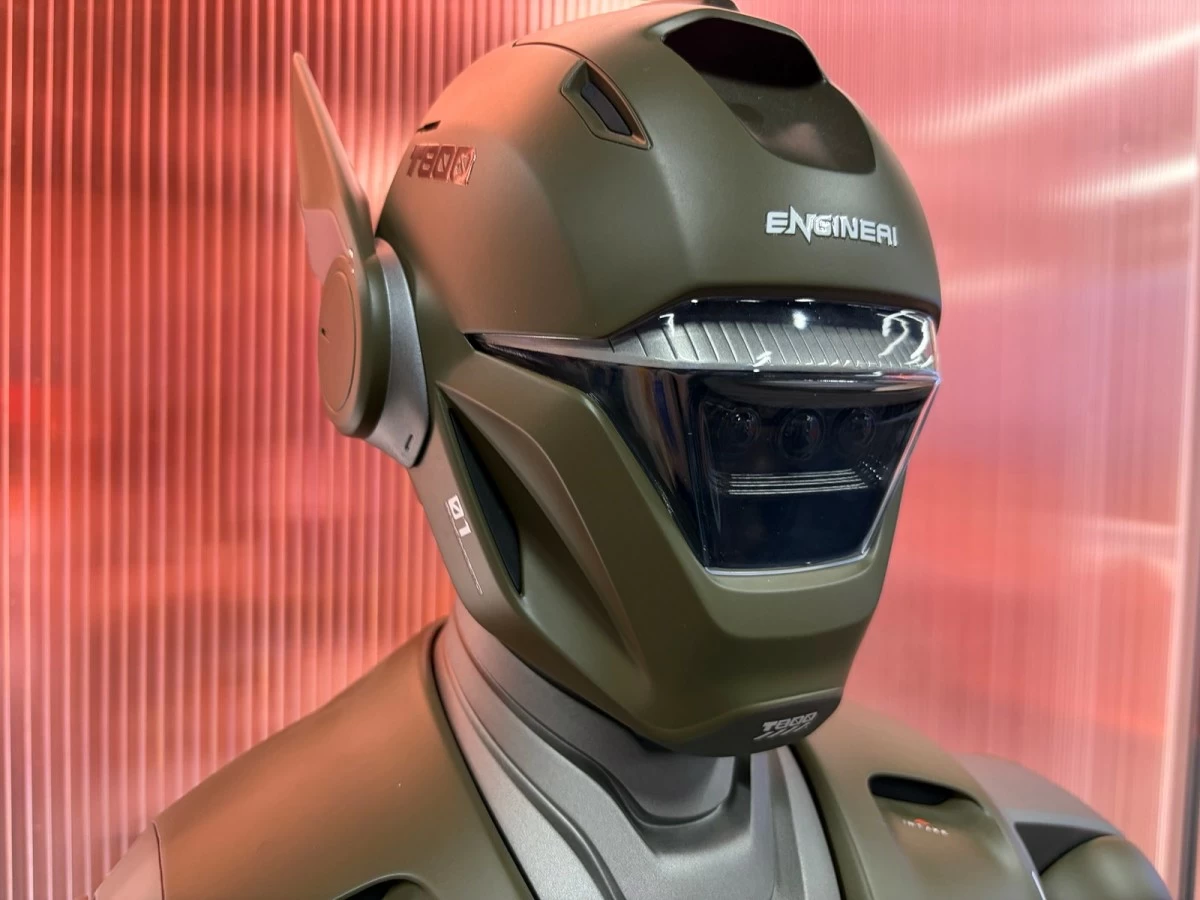
Last year, EngineAI sold a total of 400 units across its portfolio of humanoid robots, including its flagship T800, the world’s first general-purpose humanoid robot to achieve a human-like walking gait.
Among its top clients are United States-based technology giants, namely Apple, Amazon, and Nvidia.
(Dexter Barro II/MANILA BULLETIN)
(Dexter Barro II/MANILA BULLETIN)
(Dexter Barro II/MANILA BULLETIN)
For the year, Yao said total sales volume could surge to as many as 5,000 units as end users are finding more ways to utilize the products, such as in logistics and even police work.
Unlike other companies, he said EngineAI is well-positioned to meet the needs of every sector as it follows an open-source policy for both the hardware and software of its products.
In practice, this means that each consumer would be able to modify the humanoid robot to address a specific problem or function in a particular manner, depending on their computing power.
“I think these robots will dominate and have a very good penetration over time. This one is another type of iPhone, right? So everybody will have robots in the future,” Yao said.
He said the company would not have achieved this much progress in so little time without the strong domestic supply chain in Shenzhen, which is often dubbed China’s Silicon Valley.
“Without an efficient supply chain, sometimes you need maybe two to four years to build a robot. But for us, we only need a half year,” said Yao.
“And the government is always here, encouraging us to chase something that is unknown [and] never been done before,” he added.
Shenzhen, a global technology and innovation hub located in the southern province of Guangdong, will host the Asia-Pacific Economic Cooperation (APEC) Economic Leaders' Meeting in November.