ADVERTISEMENT

ICSC: Philippines needs more local power to avoid blackouts

Published Apr 20, 2026 12:01 am  |  Updated Apr 18, 2026 01:59 pm
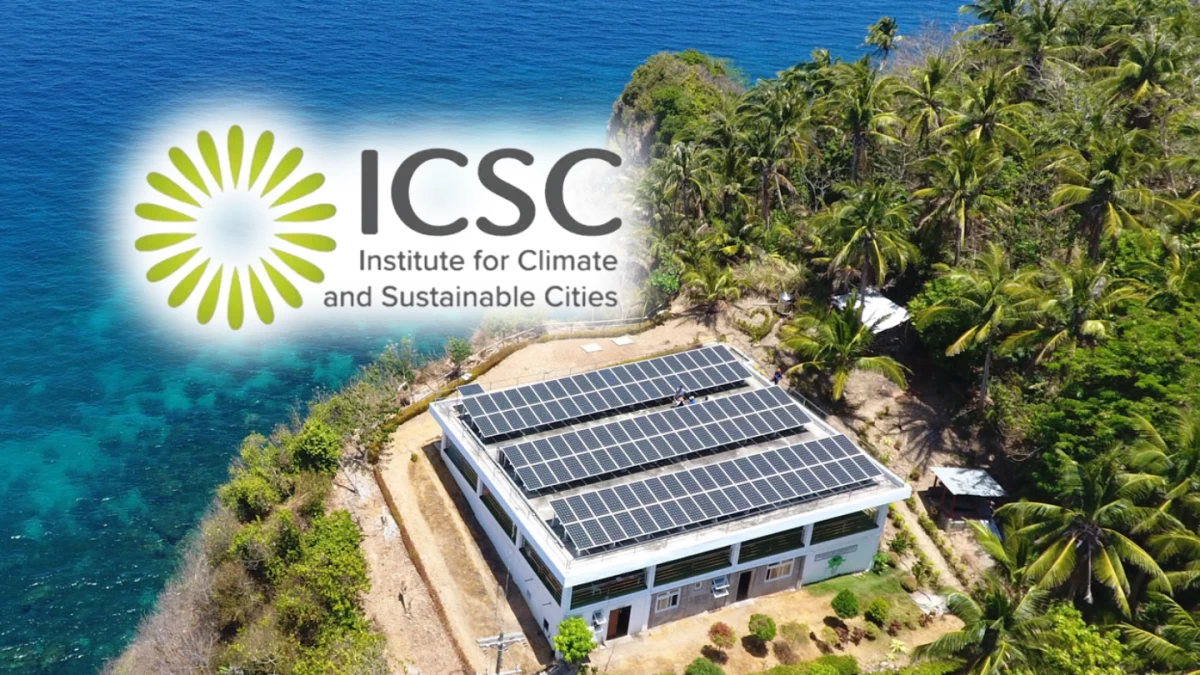
The Philippines’ heavy reliance on concentrated fleet of large-scale power plants is leaving the national grid increasingly vulnerable to disruptions, according to a report by the Institute for Climate and Sustainable Cities (ICSC).
In a statement, the climate and energy think tank issued the warning following a series of yellow alerts in the Luzon and Visayas grids, which it said highlights the recurring weakness in the country’s baseload-heavy energy architecture.
According to ICSC, relying on a concentrated number of facilities makes the energy system less flexible and unreliable, as even short-term outages can quickly deplete available reserves.
Last week, liquefied natural gas (LNG) facilities, specifically Excellent Energy Resources, Inc. (EERI) 1, 2, and 3 plants and the Ilijan Block A and B plants, faced simultaneous unplanned outages. Both plants have a combined capacity of 2,462 megawatts (MW).
While these outages were resolved within hours, the think tank said the incident underscores the risks of a system overly dependent on massive, localized facilities.
Data from the National Grid Corporation of the Philippines (NGCP) showed that these unplanned outages and the derated capacity of other plants, such as Sual 1 and 2, resulted in the loss of 5,137 MW of baseload capacity in the Luzon grid.
While the unavailability of the Magat hydropower plants contributed to the alert, ICSC clarified that those units were on scheduled maintenance under the Grid Operating and Maintenance Program (GOMP) and highlighted that the LNG outages were unexpected, thereby tightening supply conditions.
The Visayas grid, which operates on net negative reserves, felt the ripple effect of the Luzon outages due to its reliance on high-voltage direct current imports, the group added. This vulnerability was previously detailed in the Philippine Power Outlook Report, which warned that unplanned outages beyond the Department of Energy’s approved schedule could significantly worsen grid stability.
The group reiterated the vital role of indigenous renewable energy (RE) sources such as geothermal, hydro, solar, and wind, supported by energy storage systems, to improve security and reduce exposure to volatile global fuel markets.
“Heavy reliance on imported LNG continues to tie domestic electricity prices to global fuel price shocks and geopolitical disruptions, unlike indigenous RE sources that have no fuel costs and help moderate electricity prices in the Wholesale Electricity Spot Market (WESM),” the group said.
Given the country’s archipelagic geography and exposure to extreme weather, ICSC argued that power generation must be geographically distributed to allow communities to improve local reliability and self-sufficiency. This would help reduce the risk of widespread disruptions caused by external or internal shocks to the grid.
Furthermore, modern grid management and fast-ramping technologies can likewise address fluctuations in supply and demand.
ADVERTISEMENT
.most-popular .layout-ratio{ padding-bottom: 79.13%; } @media (min-width: 768px) and (max-width: 1024px) { .widget-title { font-size: 15px !important; } }

{{ articles_filter_1561_widget.title }}

.most-popular .layout-ratio{ padding-bottom: 79.13%; } @media (min-width: 768px) and (max-width: 1024px) { .widget-title { font-size: 15px !important; } }

{{ articles_filter_1562_widget.title }}

.most-popular .layout-ratio{ padding-bottom: 79.13%; } @media (min-width: 768px) and (max-width: 1024px) { .widget-title { font-size: 15px !important; } }

{{ articles_filter_1563_widget.title }}

{{ articles_filter_1564_widget.title }}

.mb-article-details { position: relative; } .mb-article-details .article-body-preview, .mb-article-details .article-body-summary{ font-size: 17px; line-height: 30px; font-family: "Libre Caslon Text", serif; color: #000; } .mb-article-details .article-body-preview iframe , .mb-article-details .article-body-summary iframe{ width: 100%; margin: auto; } .read-more-background { background: linear-gradient(180deg, color(display-p3 1.000 1.000 1.000 / 0) 13.75%, color(display-p3 1.000 1.000 1.000 / 0.8) 30.79%, color(display-p3 1.000 1.000 1.000) 72.5%); position: absolute; height: 200px; width: 100%; bottom: 0; display: flex; justify-content: center; align-items: center; padding: 0; } .read-more-background a{ color: #000; } .read-more-btn { padding: 17px 45px; font-family: Inter; font-weight: 700; font-size: 18px; line-height: 16px; text-align: center; vertical-align: middle; border: 1px solid black; background-color: white; } .hidden { display: none; }
function initializeAllSwipers() { // Get all hidden inputs with cms_article_id document.querySelectorAll('[id^="cms_article_id_"]').forEach(function (input) { const cmsArticleId = input.value; const articleSelector = '#article-' + cmsArticleId + ' .body_images'; const swiperElement = document.querySelector(articleSelector); if (swiperElement && !swiperElement.classList.contains('swiper-initialized')) { new Swiper(articleSelector, { loop: true, pagination: false, navigation: { nextEl: '#article-' + cmsArticleId + ' .swiper-button-next', prevEl: '#article-' + cmsArticleId + ' .swiper-button-prev', }, }); } }); } setTimeout(initializeAllSwipers, 3000); const intersectionObserver = new IntersectionObserver( (entries) => { entries.forEach((entry) => { if (entry.isIntersecting) { const newUrl = entry.target.getAttribute("data-url"); if (newUrl) { history.pushState(null, null, newUrl); let article = entry.target; // Extract metadata const author = article.querySelector('.author-section').textContent.replace('By', '').trim(); const section = article.querySelector('.section-info ').textContent.replace(' ', ' '); const title = article.querySelector('.article-title h1').textContent; // Parse URL for Chartbeat path format const parsedUrl = new URL(newUrl, window.location.origin); const cleanUrl = parsedUrl.host + parsedUrl.pathname; // Update Chartbeat configuration if (typeof window._sf_async_config !== 'undefined') { window._sf_async_config.path = cleanUrl; window._sf_async_config.sections = section; window._sf_async_config.authors = author; } // Track virtual page view with Chartbeat if (typeof pSUPERFLY !== 'undefined' && typeof pSUPERFLY.virtualPage === 'function') { try { pSUPERFLY.virtualPage({ path: cleanUrl, title: title, sections: section, authors: author }); } catch (error) { console.error('ping error', error); } } // Optional: Update document title if (title && title !== document.title) { document.title = title; } } } }); }, { threshold: 0.1 } ); function showArticleBody(button) { const article = button.closest("article"); const summary = article.querySelector(".article-body-summary"); const body = article.querySelector(".article-body-preview"); const readMoreSection = article.querySelector(".read-more-background"); // Hide summary and read-more section summary.style.display = "none"; readMoreSection.style.display = "none"; // Show the full article body body.classList.remove("hidden"); } document.addEventListener("DOMContentLoaded", () => { let loadCount = 0; // Track how many times articles are loaded const offset = [1, 2, 3, 4, 5, 6, 7, 8, 9, 10]; // Offset values const currentUrl = window.location.pathname.substring(1); let isLoading = false; // Prevent multiple calls if (!currentUrl) { console.log("Current URL is invalid."); return; } const sentinel = document.getElementById("load-more-sentinel"); if (!sentinel) { console.log("Sentinel element not found."); return; } function isSentinelVisible() { const rect = sentinel.getBoundingClientRect(); return ( rect.top < window.innerHeight && rect.bottom >= 0 ); } function onScroll() { if (isLoading) return; if (isSentinelVisible()) { if (loadCount >= offset.length) { console.log("Maximum load attempts reached."); window.removeEventListener("scroll", onScroll); return; } isLoading = true; const currentOffset = offset[loadCount]; window.loadMoreItems().then(() => { let article = document.querySelector('#widget_1690 > div:nth-last-of-type(2) article'); intersectionObserver.observe(article) loadCount++; }).catch(error => { console.error("Error loading more items:", error); }).finally(() => { isLoading = false; }); } } window.addEventListener("scroll", onScroll); });

Sign up by email to receive news.