






 Philippines
National
Legarda urges gov't: Impose immediate suspension of fuel excise tax, VAT on diesel and gas as relief remains unfelt
Philippines
National
Legarda urges gov't: Impose immediate suspension of fuel excise tax, VAT on diesel and gas as relief remains unfelt
Legarda urges gov't: Impose immediate suspension of fuel excise tax, VAT on diesel and gas as relief remains unfelt


At A Glance
- Senator Loren Legarda on Monday, April 13 urged the government to consider the immediate suspension of fuel excise tax and value-added tax (VAT) on diesel and gasoline as millions of Filipinos still do not feel the government's relief from the fuel hikes and rising prices of basic commodities.
Senator Loren Legarda on Monday, April 13 urged the government to consider the immediate suspension of fuel excise tax and value-added tax (VAT) on diesel and gasoline as millions of Filipinos still do not feel the government’s relief from the fuel hikes and rising prices of basic commodities.
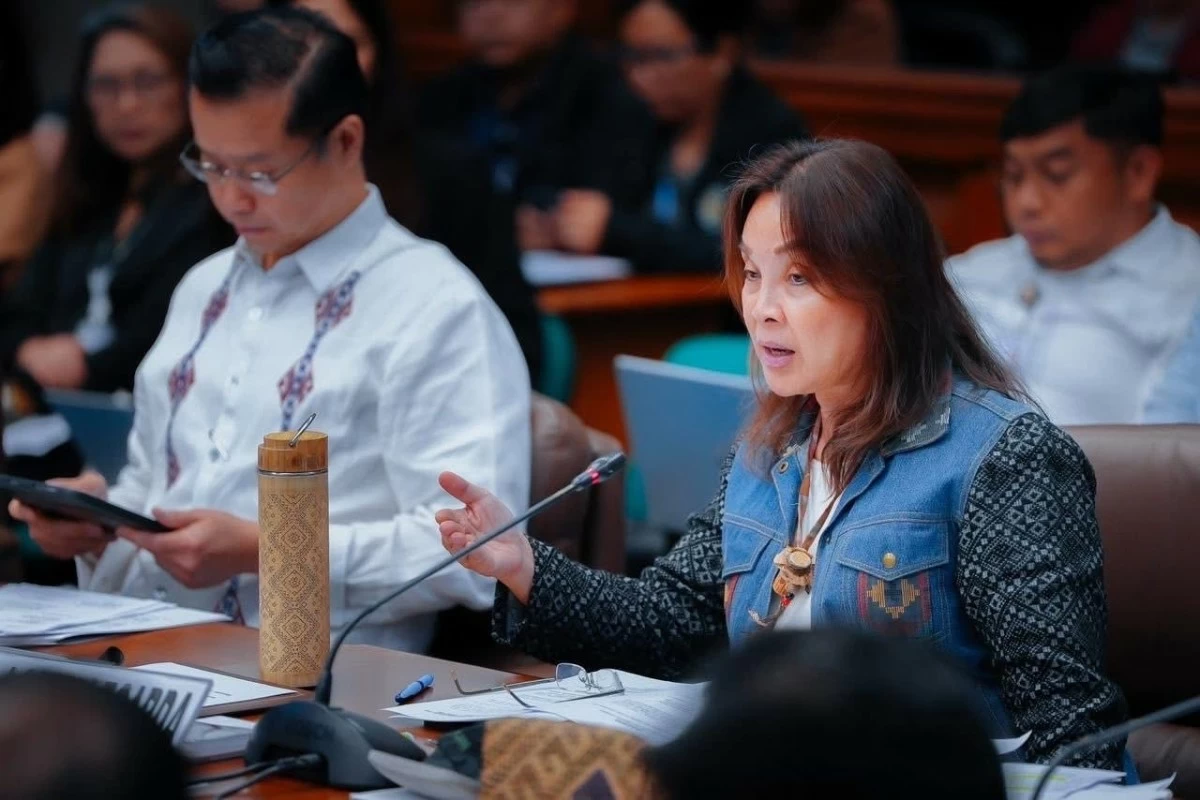
Legarda made the call following President Ferdinand “Bongbong” Marcos Jr.’s announcement on the suspension of excise taxes on LPG and kerosene and the possible suspension of excise taxes on diesel and gasoline to be tackled in the next UPLIFT meeting.
“The suspension of taxes on LPG and kerosene is a big help because it directly affects households and the food service sector. But it is surprising that the main demand of the people, diesel and gasoline, which are used by farmers, drivers, and fishermen to earn a living, is still not being addressed,” Legarda noted in a statement.
“It has been six weeks since the crisis in the Middle East broke out, and is the discussion on this policy still not over?” she lamented.
With this, Legarda renewed her call to suspend fuel taxes immediately, saying the impact would be direct, immediate, and nationwide.
“At a price of ₱150 per liter of diesel, there will be a saving of approximately ₱22.07 if the government temporarily removes the ₱6 excise tax and 12% VAT. Meanwhile, at gasoline at ₱90 per liter, there will be a reduction of approximately ₱19.64 per liter if the ₱10 excise tax and 12% VAT are removed,” she pointed out.
“If we act immediately, diesel at ₱150 will be ₱128 and gasoline at ₱90 will be ₱70. This will be felt directly by fishermen, farmers, drivers, and every Filipino family,” she stated.
The senator also rejected that a targeted financial aid is is necessarily the more efficient response as this overlooks not only the slow pace of government processes, but also the deeper structural problems that happens when assistance is routed back through layers of bureaucracy.
“The government is slow. We have seen it, it has been several weeks, and the aid is still not felt. When the petroleum tax, like the VAT, goes through the government, it will go back to the bureaucracy, be passed around by several signatures, go from one agency to another, the list of beneficiaries is also incomplete, and we were not born yesterday not to know that there will be others who will benefit from that rollout. Whereas if the tax is lowered, it will be felt directly,” she said.
“It should not be just aid. It is only for the most vulnerable who need to be helped. It will also be useless if it does not reach our countrymen in time,” she stressed.
She also pushed back against claims that fuel tax cuts disproportionately benefit the rich, saying such arguments overlook how fuel costs permeate the entire economy and directly affect the most vulnerable sectors.
“Fishermen, farmers, drivers, they all depend on the price of crude oil to make a living. When prices are high, they are the first to be hit, no one goes out to sea, and no one brings their produce to the market,” she said.
Legarda also lamented the clear lack of analysis on the broader economic consequences of sustained high fuel prices, including job losses, reduced incomes, business closures and the risk of near-poor households falling back into poverty.
Legarda said it is imperative that policy decisions must respond to the actual conditions on the ground.
“There will come a point when theoretical discussions are no longer enough. We need to respond to what Filipinos are actually experiencing today,” she added.
Legarda also debunked speculations there would be no funds for the proposed Bayanihan 3 bill, saying the government does not need to incur additional debt to fund temporary tax relief.
She said there is an existing provision in her proposed Bayanihan 3 bill which directs agencies to discontinue non-essential government expenditures and immediately declare as savings funds tied to projects that lack feasibility studies, have no clear implementation plan or exceed the implementing capacity of the agency.
Moreover, she said the government can immediately generate fiscal space by reducing or suspending non-essential travel, events, capacity-building activities, renovations, and other non-emergency capital outlays, shifting more transactions to digital platforms to cut spending on supplies, fuel, and utilities, and imposing a temporary freeze on hiring and creation of new offices except for critical positions in the health and education sectors, particularly teachers and health workers.