ADVERTISEMENT

How to handle your finances when prices keep rising

Published Apr 4, 2026 07:41 am
Navigating the “new normal” of high living costs. Experts are encouraging a move back to financial fundamentals—planning, intentional spending, and income protection—to weather the persistent rise in prices at the pump and the market.
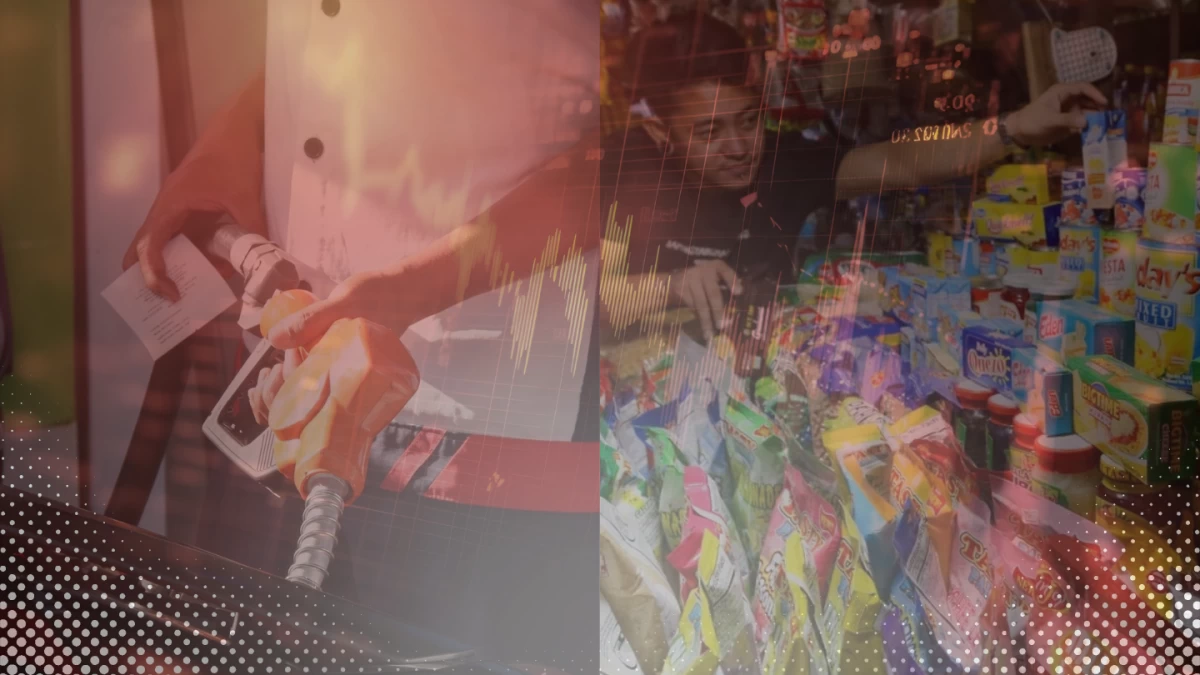
The Philippine economy is currently in a strange, uncomfortable middle ground. While the numbers for the early part of the year looked okay on paper, the experience at the grocery store or the gas station today feels very different. Interest rates are holding steady at high levels, the peso is leaning on the weak side, and most people are now feeling a persistent squeeze on their monthly budgets.
In this kind of environment, it is easy to feel like your money is just happening to you, rather than you being the one in charge of it.
For many Filipino households, the “macro” view—GDP growth and big-ticket investments—feels worlds away from the “micro” reality of a ₱500 bill that doesn’t go nearly as far as it did just two years ago. We are seeing a real disconnect where the economy is technically expanding, but the cost of basic stability has climbed significantly.
Whether it’s the sudden spike in electricity bills or the way a trip to the market now requires a mental calculator, there is a collective sense of waiting for the other shoe to drop. This constant state of alert often leads to “financial fatigue,” where the sheer effort of keeping up makes it tempting to stop planning altogether and just react to the next bill as it arrives.
Metropolitan Bank & Trust Co. (Metrobank), which has seen its fair share of these economic cycles over the decades, is trying to change that reactive dynamic. They recognize that while you can’t control global oil prices or central bank decisions, you can change the way you manage the cash you have.
They’ve introduced a framework they call H.A.N.D.S. It isn’t a complex investment strategy or a sales pitch for a new loan; it’s a set of five basic habits designed to help people regain a sense of stability when everything else feels unpredictable.
Getting grip on the basics
The first part of the guide is simply Having a plan. It sounds obvious, but when prices are rising, many people stop looking at their bank statements because it’s stressful. Metrobank is encouraging the opposite: total transparency with yourself. By tracking exactly where the money goes—including the small subscriptions and those “convenience” fees that tend to add up—you can find the pressure points before they turn into a crisis.
Then comes Acting intentionally. This is about the gap between wanting something and needing it. In a high-inflation environment, every peso has less “muscle” than it used to. The bank suggests being more mindful of the timing of purchases and actually using the tools you already have, like cashback rewards or credit card rebates, to shave a few percentage points off your daily costs.
Building buffer
The middle of the framework focuses on growth and protection. Nurturing your income is a recognition that, for many, a single salary might not be enough to feel secure right now. Whether that means looking for a side project or just putting savings into an account that actually earns decent interest, the goal is to create a little bit of breathing room.
Equally important is Defending yourself. This isn’t just about having insurance for a rainy day; it’s about the very modern threat of digital fraud. Scammers get more creative when they know people are looking for quick fixes or are distracted by financial stress. Metrobank is pushing vigilance as a core financial habit—protecting what you already have is often easier than trying to earn it back.
Looking for upside
Finally, they suggest Spotting opportunities. It’s hard to think about growth when you’re worried about the present, but economic shifts often create openings. This could be as simple as taking the time to learn how a specific investment works so that when the market settles or an opportunity arises, you’re ready to act instead of just watching from the sidelines.
Metrobank Chief Market Officer Digs Dimagiba
“Filipinos shouldn’t feel like they have to panic,” says Digs Dimagiba, Metrobank chief market officer. He points out that while no one can control the global economy, we can control our response to it. "In periods of uncertainty, the fundamentals become essential. The ability to plan and stay disciplined determines how well you’ll come out on the other side.”
Reality check
The current economic climate isn’t going to fix itself overnight. We are likely looking at a period where being “careful” is the new normal. What Metrobank is pitching here isn’t a miracle cure, but a reminder that financial resilience is built through boring, everyday choices.
At the end of the day, having a framework like H.A.N.D.S. isn’t about getting rich quick. It’s about making sure that when the next economic curveball comes—and it will—you have the footing to stay standing.

Related Tags

Metropolitan Bank & Trust Co. (Metrobank) Metrobank Oil Crisis 2026
ADVERTISEMENT
.most-popular .layout-ratio{ padding-bottom: 79.13%; } @media (min-width: 768px) and (max-width: 1024px) { .widget-title { font-size: 15px !important; } }

{{ articles_filter_1561_widget.title }}

.most-popular .layout-ratio{ padding-bottom: 79.13%; } @media (min-width: 768px) and (max-width: 1024px) { .widget-title { font-size: 15px !important; } }

{{ articles_filter_1562_widget.title }}

.most-popular .layout-ratio{ padding-bottom: 79.13%; } @media (min-width: 768px) and (max-width: 1024px) { .widget-title { font-size: 15px !important; } }

{{ articles_filter_1563_widget.title }}

{{ articles_filter_1564_widget.title }}

.mb-article-details { position: relative; } .mb-article-details .article-body-preview, .mb-article-details .article-body-summary{ font-size: 17px; line-height: 30px; font-family: "Libre Caslon Text", serif; color: #000; } .mb-article-details .article-body-preview iframe , .mb-article-details .article-body-summary iframe{ width: 100%; margin: auto; } .read-more-background { background: linear-gradient(180deg, color(display-p3 1.000 1.000 1.000 / 0) 13.75%, color(display-p3 1.000 1.000 1.000 / 0.8) 30.79%, color(display-p3 1.000 1.000 1.000) 72.5%); position: absolute; height: 200px; width: 100%; bottom: 0; display: flex; justify-content: center; align-items: center; padding: 0; } .read-more-background a{ color: #000; } .read-more-btn { padding: 17px 45px; font-family: Inter; font-weight: 700; font-size: 18px; line-height: 16px; text-align: center; vertical-align: middle; border: 1px solid black; background-color: white; } .hidden { display: none; }
function initializeAllSwipers() { // Get all hidden inputs with cms_article_id document.querySelectorAll('[id^="cms_article_id_"]').forEach(function (input) { const cmsArticleId = input.value; const articleSelector = '#article-' + cmsArticleId + ' .body_images'; const swiperElement = document.querySelector(articleSelector); if (swiperElement && !swiperElement.classList.contains('swiper-initialized')) { new Swiper(articleSelector, { loop: true, pagination: false, navigation: { nextEl: '#article-' + cmsArticleId + ' .swiper-button-next', prevEl: '#article-' + cmsArticleId + ' .swiper-button-prev', }, }); } }); } setTimeout(initializeAllSwipers, 3000); const intersectionObserver = new IntersectionObserver( (entries) => { entries.forEach((entry) => { if (entry.isIntersecting) { const newUrl = entry.target.getAttribute("data-url"); if (newUrl) { history.pushState(null, null, newUrl); let article = entry.target; // Extract metadata const author = article.querySelector('.author-section').textContent.replace('By', '').trim(); const section = article.querySelector('.section-info ').textContent.replace(' ', ' '); const title = article.querySelector('.article-title h1').textContent; // Parse URL for Chartbeat path format const parsedUrl = new URL(newUrl, window.location.origin); const cleanUrl = parsedUrl.host + parsedUrl.pathname; // Update Chartbeat configuration if (typeof window._sf_async_config !== 'undefined') { window._sf_async_config.path = cleanUrl; window._sf_async_config.sections = section; window._sf_async_config.authors = author; } // Track virtual page view with Chartbeat if (typeof pSUPERFLY !== 'undefined' && typeof pSUPERFLY.virtualPage === 'function') { try { pSUPERFLY.virtualPage({ path: cleanUrl, title: title, sections: section, authors: author }); } catch (error) { console.error('ping error', error); } } // Optional: Update document title if (title && title !== document.title) { document.title = title; } } } }); }, { threshold: 0.1 } ); function showArticleBody(button) { const article = button.closest("article"); const summary = article.querySelector(".article-body-summary"); const body = article.querySelector(".article-body-preview"); const readMoreSection = article.querySelector(".read-more-background"); // Hide summary and read-more section summary.style.display = "none"; readMoreSection.style.display = "none"; // Show the full article body body.classList.remove("hidden"); } document.addEventListener("DOMContentLoaded", () => { let loadCount = 0; // Track how many times articles are loaded const offset = [1, 2, 3, 4, 5, 6, 7, 8, 9, 10]; // Offset values const currentUrl = window.location.pathname.substring(1); let isLoading = false; // Prevent multiple calls if (!currentUrl) { console.log("Current URL is invalid."); return; } const sentinel = document.getElementById("load-more-sentinel"); if (!sentinel) { console.log("Sentinel element not found."); return; } function isSentinelVisible() { const rect = sentinel.getBoundingClientRect(); return ( rect.top < window.innerHeight && rect.bottom >= 0 ); } function onScroll() { if (isLoading) return; if (isSentinelVisible()) { if (loadCount >= offset.length) { console.log("Maximum load attempts reached."); window.removeEventListener("scroll", onScroll); return; } isLoading = true; const currentOffset = offset[loadCount]; window.loadMoreItems().then(() => { let article = document.querySelector('#widget_1690 > div:nth-last-of-type(2) article'); intersectionObserver.observe(article) loadCount++; }).catch(error => { console.error("Error loading more items:", error); }).finally(() => { isLoading = false; }); } } window.addEventListener("scroll", onScroll); });

Sign up by email to receive news.