






Manila Bulletin
 Philippines
National
Security heightened, safety measures in place as millions of Pinoys travel for Holy Week
Philippines
National
Security heightened, safety measures in place as millions of Pinoys travel for Holy Week
Philippines
National
Security heightened, safety measures in place as millions of Pinoys travel for Holy Week
Security heightened, safety measures in place as millions of Pinoys travel for Holy Week
Published Mar 29, 2026 02:37 pm


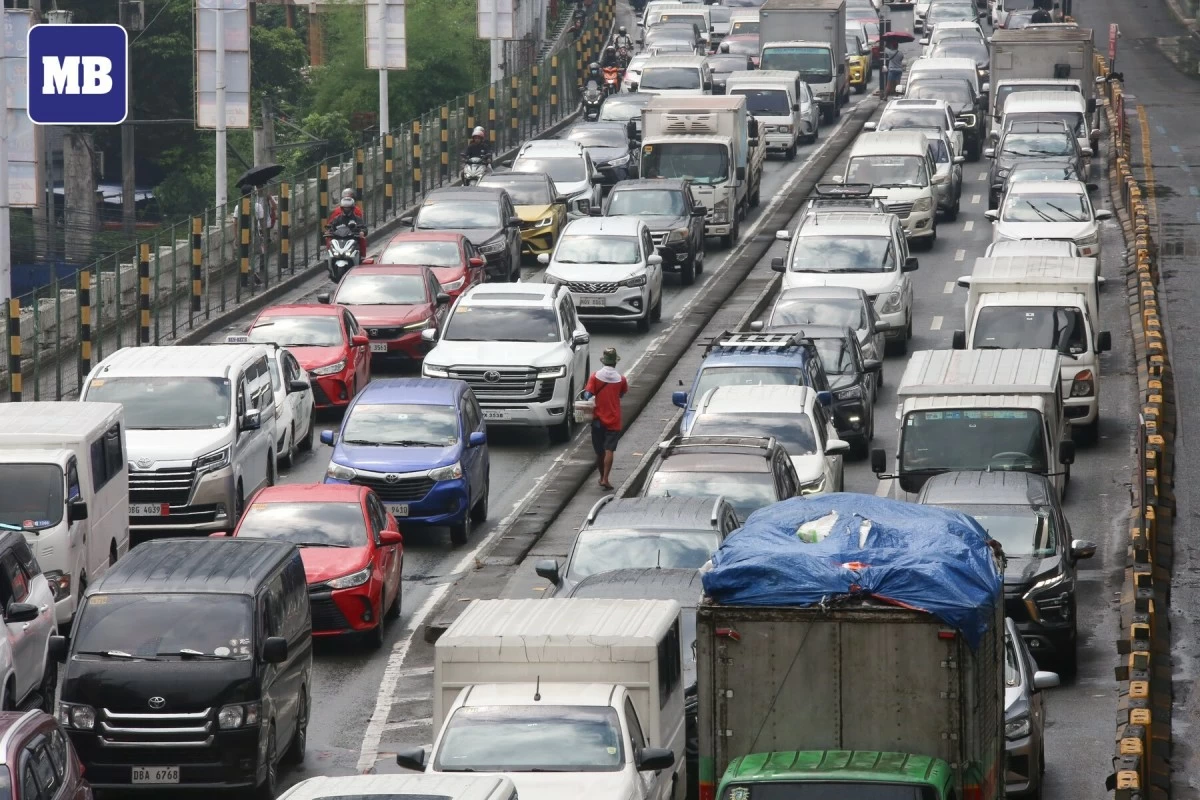
(Santi San Juan/MANILA BULLETIN)
The Philippine National Police (PNP) has mobilized almost 60,000 policemen to secure all activities relating to the observation of the Holy Week as millions of people are expected to travel to their home provinces for the annual religious activity, and to take advantage of the long holiday break.
The Philippine Ports Authority (PPA) said at least 2.4 million passengers will flock to various ports across the country while the New NAIA Infra Corp. (NNIC) said it expects more than 1.3 million passengers at the Ninoy Aquino International Airport (NAIA).
The Land Transportation Franchising and Regulatory Board (LTFRB), on the other hand, said it gave special permits to almost 1,300 passenger buses as it expects a bigger number of passengers this Holy Week due to sharp increases in the price of petroleum products in the past few weeks.
Police Capt. Amie Tiu, chief of the Tourist and Protection Section of the PNP’s Directorate for Operations, said police forces across the country will be on heightened alert status starting Sunday, March 29, until April 6.
“The Philippine National Police is fully prepared to ensure the safety, security and orderliness of the public under our nationwide program Ligtas Semana Santa 2026,” said Tiu.
She said a total of 59,416 personnel will be deployed and policemen will be augmented by personnel from other agencies like the Philippine Coast Guard, Armed Forces of the Philippines and local government units.
“Our personnel are tasked to ensure not only to ensure the peace and order but also to assist our tourist individuals, to manage the crowd and prevent criminal activities, enforce safety regulations and provide immediate response when it is needed,” said Tiu.
“The proactive presence is intended to create a safe and secure environment for local and foreign tourists during the Holy Week and the deployment of tourist police across all police regional offices is a strong effort of the PNP in order to keep our tourists safe especially during Semana Santa and summer vacation,” she added.
Full alert
Regional police commanders, however, were given the discretion to declare full or normal alert depending on their security assessments in their respective areas of responsibility.
In Metro Manila for instance, the National Capital Region Police Office (NCRPO) said it is already under full alert status to maintain peace and order and ensure immediate assistance to the public during the Holy Week period.
More than 10,000 policemen will be tapped to secure Metro Manila and NCRPO spokesperson Maj. Hazel Asilo said other government agencies will also be sending augmentation forces.
She said assistance desks will be set up in transportation hubs, religious places and other places of convergence.
The entire Central Luzon will also be under highest security alert status starting Monday, March 30, in anticipation of the start of the travel of thousands of people to and from the region.
Police Brig. Gen. Jess B. Mendez, director of the Police Regional Office 3, said they will be deploying 13,000 personnel for police visibility and quick response to match the expected high number of travelers, pilgrims, and devotees across Central Luzon.
Road safety
The LTFRB and the PNP, on the other hand, will join forces to ensure road safety as more vehicles are still expected to hit the road for the Holy Week travel.
PNP chief Gen. Jose Melencio C. Nartatez, Jr., said he already tasked police units, particularly the Highway Patrol Group (PNP-HPG), to work closely with bus operators and management to prevent vehicular accidents during the peak travel season.
“Road safety is among our top priority as more people are expected to be on the road on their way home to their home provinces and tourist spots. Your PNP will be coordinating with other stakeholders and other agencies to ensure the protection of all road users,” said Nartatez.
LTFRB chairman Vigor D. Mendoza II, for his part, said he tasked all their regional offices to start the conduct of intensified inspections on bus and other public utility vehicle (PUV) terminals.
He said the inspection will focus on road worthiness of passenger buses and other PUVs to ensure the safety of all road users as more vehicles are expected to hit the road starting Wednesday.
“Our goal is to ensure the safety of commuters and other road users by ensuring the road worthiness of buses and other PUVs, as well as the physical and mental readiness of the drivers,” said Mendoza.
“Coordination with other government agencies like the local government units (LGUs) and law enforcement agencies should also be done to maximize the assistance and road safety rules implementation,” he added.
Maharlika Highway
On Sunday, March 29, the Department of Public Works and Highways (DPWH) said the Maharlika Highway is now ready for the Holy Week travel, especially in the areas of Calabarzon, Bicol Eastern Visayas and Caraga region.
In a statement, the DPWH said significant road repairs and improvements were done in the past weeks for the Maharlika Highway, especially in Quezon and Camarines Sur portion of the country’s main road.