






Manila Bulletin
 Philippines
National
Slovenian envoy pushes 'science to business' in PH, student exchanges
Philippines
National
Slovenian envoy pushes 'science to business' in PH, student exchanges
Philippines
National
Slovenian envoy pushes 'science to business' in PH, student exchanges
Slovenian envoy pushes 'science to business' in PH, student exchanges
Published Mar 16, 2026 03:12 pm


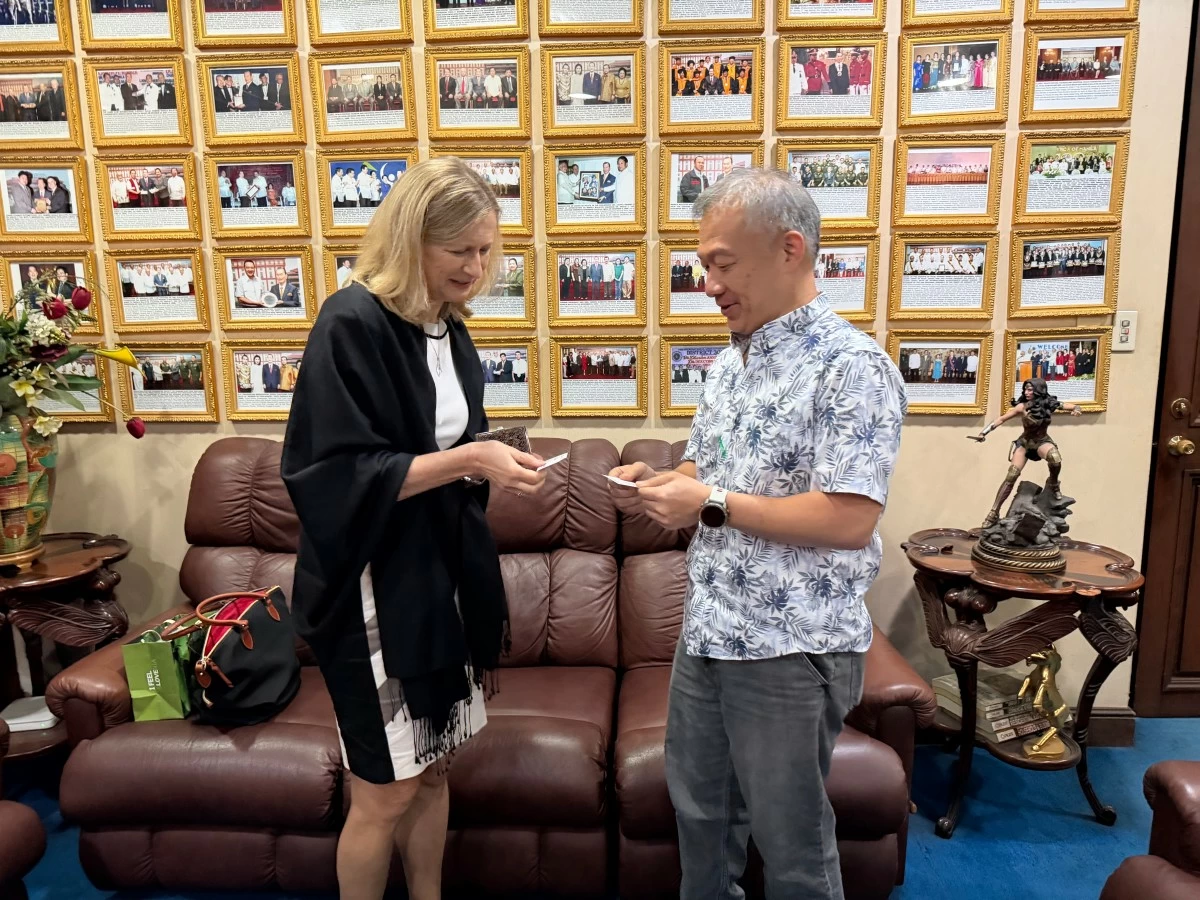
Slovenian Ambassador Smiljana Knez and Manila Bulletin President and Vice Chairman Dr. Emilio C. Yap III
Aside from giving the Philippines quality generic medicines and the milk being used by a global coffee brand, Ambassador Dr. Smiljana Knez of the Republic of Slovenia aims to provide Filipinos with “science to business” knowledge that could help them learn energy efficiency and cope with future energy crises.
Knez visited the Manila Bulletin office on Monday, March 16, and met with MB President and Vice Chairman Dr. Emil C. Yap III and members of the Editorial Board.
She announced the holding of a two-day match-making and learning sessions on April 21-22 at the Makati Polo Club to be participated in by top private partners and officials from the Department of Energy, Department of Environment and Natural Resources, Department of Science and Technology, Department of Trade and Industry, and Department of National Defense, among others.
The sessions will have three phases – science to business, decarbonization of the defense sector, and digitalization or use of Artificial Intelligence (AI) in disaster management.
Slovenia is strengthening its science-to-business ecosystem by aiming for 3.5% GDP investment in R&D by 2030, focusing on technology transfer, digital transformation, and green innovations. Key initiatives include the Slovenian Scientific Research and Innovation Strategy 2030 and ARIS (Research and Innovation Agency), facilitating collaboration between academia and industry.
Slovenia's pharmaceutical sector is dominated by major global generic manufacturers - Krka and Lek (a Sandoz company), Sartorius BIA Separations (biotech), Medis (logistics), and specialized manufacturers like Carso Pharm and PharmaHemp, focusing on R&D, generic drugs, and biotech innovations.
Knez recently celebrated International Day of Women and Girls in Science by discussing potential areas of cooperation between Slovenia and the Philippines, such as energy and climate resilience, smart agriculture, circular economy, AI and health with DOST Undersecretary Dr. Leah Buendia.
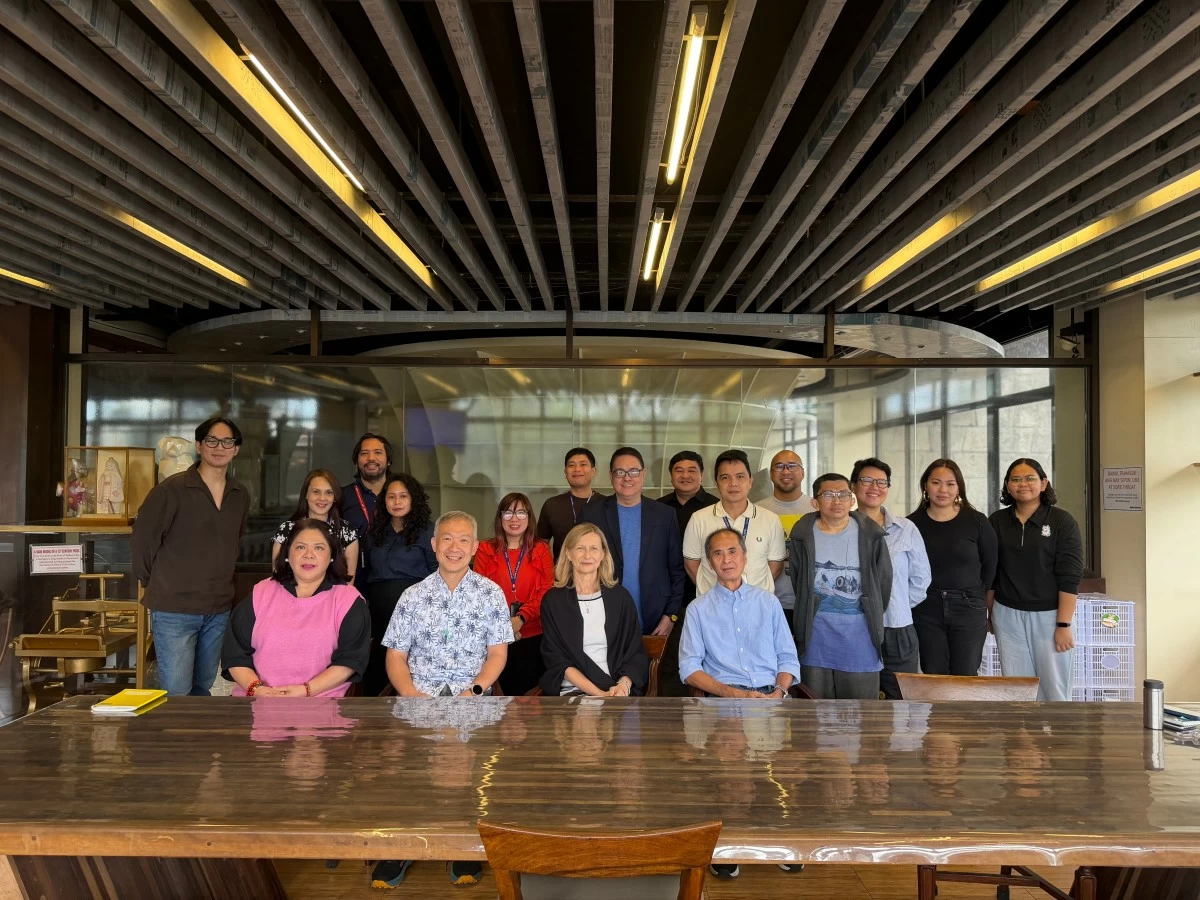
Ambassador Smiljana Knez with Manila Bulletin officials and editors
She is also eyeing a more robust exchange of students between the two countries.
Recently, she announced that Slovenia plans to hire more Filipino workers, particularly caregivers, to address the aging problem in her country.
Around 1,000 Filipino workers are already in Slovenia, mostly in the transportation, hospitality and health care sectors.
Slovenia’s Deputy Prime Minister and Foreign Minister Tanja Fajon signed last year a deal with the Department of Migrant Workers on labor cooperation as well as employment opportunities for Filipinos in Slovenia.
Fajon and Knez led the opening of Slovenia’s embassy in Manila, the first in Southeast Asia. The embassy, located at the RCBC Plaza in Makati City, commenced initial operations on May 10, 2024.
"The world is changing more and more and more, and today more than ever, we need strong partnerships. The Philippines, like Slovenia, is a strong advocate of multilateralism, respect for international law and human dignity,” Fajon said.
“I believe that the embassy will not only strengthen bilateral relations between the two countries, but will also open the door for Slovenian companies to new markets in the region and help citizens of both countries."
Knez said Slovenia wants to boost business cooperation with the Philippines, particularly on energy efficiency.
“We need to invest in energy efficiency to spend less energy and to save money,” she said.
Slovenia’s major investments in the country are semiconductor manufacturing in Batangas and internet service providers for businesses.
The Philippines has a $30-million bilateral trade with Slovenia and continues to be its strategic partner in Southeast Asia with its import of pharmaceutical and dairy products.