






Manila Bulletin
 Philippines
National
Illicit, unregulated vapes prevalent in Southeast Asia despite bans - experts
Philippines
National
Illicit, unregulated vapes prevalent in Southeast Asia despite bans - experts
Philippines
National
Illicit, unregulated vapes prevalent in Southeast Asia despite bans - experts
Illicit, unregulated vapes prevalent in Southeast Asia despite bans - experts
Published Mar 15, 2026 01:38 pm


Bans on smoke-free nicotine alternatives are increasingly driving illicit markets across Southeast Asia, where vaping products remain widely available through underground and online channels despite strict prohibitions in several countries.
According to international policy experts and public health analysts, restrictions intended to curb vaping are instead fueling unregulated trade, reducing tax revenues and limiting access to potentially lower-risk alternatives for smokers.
Across Southeast Asia, illicit vape markets have expanded in countries that impose strict bans or heavy restrictions. Thailand, Singapore, Vietnam and Cambodia all prohibit the sale or import of e-cigarettes, yet reports and studies indicate widespread illegal availability.
In Singapore, where vaping has been banned since 2018, a study published in the journal Drug and Alcohol Review documented a persistent “illegal vaping culture” among users despite strict penalties and enforcement. Meanwhile, in Thailand, where e-cigarettes are also prohibited, reports from the Bangkok Post in February 2023 noted that vaping devices remain widely available despite Thailand’s ban, even as authorities continue to enforce strict penalties against users.
Pierre et Marie Curie University Professor Dr. David Khayat, who advised former French President Jacques Chirac, said decades of taxes and warnings have reached their limit. Speaking at a 2025 conference in Dubai, he compared current nicotine bans to the failed US prohibition of the 1920s.
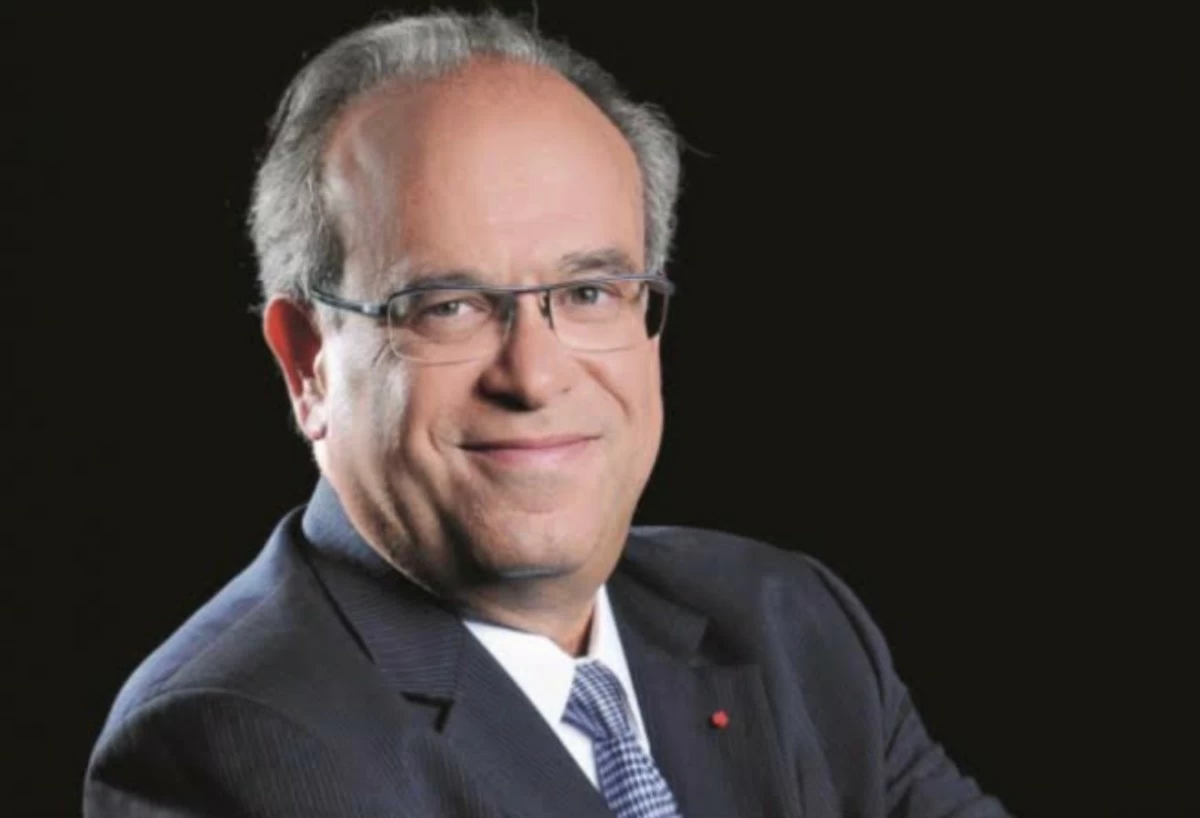
Dr. David Khayat, Pierre et Marie Curie University professor, who was an advisor to former French President Jacques Chirac.
"When you try to prohibit it, what's going to happen is mob, mafia, illicit trade and everything," Khayat said.
The Global State of Tobacco Harm Reduction (GSTHR) report says some 8 million tobacco-related deaths still occur each year. It says that in low and middle-income countries (LMIC), where four out of five of the world’s smokers live and most tobacco-related deaths occur, tobacco use remains high and smoking rates are not improving significantly.
The report says high taxes and bans send a signal that using smoke-free alternatives is just as dangerous as smoking, creating at "misperception of harm" that prevents adult smokers from switching to lower risk alternatives. Total bans also move the trade from regulated shops to the shadow market.
Dr. Lorenzo Mata Jr., president of the Philippines-based advocacy group Quit for Good, said the World Health Organization’s (WHO) restrictive strategies have failed to move the needle on the global number of smokers, which remains stagnant at over 1 billion people.
"Smoking rates remain high, particularly in low- and middle-income countries where smokers are denied better alternatives to cigarettes due to the strategy promoted by the WHO. This also results in widespread smuggling and illicit trade," Mata said.
Data from the WHO show the number of tobacco users globally reached 1.25 billion in 2022, nearly 20 years after the Framework Convention on Tobacco Control (FCTC) was enacted.
In India, where a vape ban is in effect through its 2019 Prohibition of Electronic Cigarettes Act, unregulated vapes remain widely available through illicit channels. Consultant cardio-endocrine physician Dr. Rohan Andrade Sequeira said India's 250 million tobacco users have few options, as nicotine replacement therapy has a success rate of only 7 percent.
"There's no way out for these patients who are suffering from behavioral patterns of using tobacco or nicotine," Sequeira said.
International harm reduction advocate and VSML (Vaping Saved My Life) co-founder Kurt Yeo noted that lack of cessation support and an enormous illicit cigarette trade make it difficult to help people quit smoking in countries such as those in Africa.
Science and Innovation Nicotine Advocacy Group (SINAG) president JP Solis noted a widening divide between western public health strategies and those in Asia. While the United Kingdom and New Zealand have integrated vaping as a cessation tool, many Asian governments have opted for prohibition.
"Instead of reducing nicotine use, the restrictions appear to be shielding or indirectly promoting cigarettes, causing smoking rates to level off or potentially increase as users revert to combustible cigarettes," Solis said.
"These restrictions can often push consumers towards illicit products while discouraging the development of innovative and less harmful technologies. A balanced approach would protect consumers far more than blanket bans," he noted.
The disparity in results is highlighted by a University of Queensland study comparing Australia and New Zealand. While Australia has a restrictive policy for nicotine vapes, New Zealand allows regulated retail sales to adults. Researchers found that adult daily smoking rates in New Zealand dropped 10 percent per year between 2016 and 2023, double the 5 percent decline seen in Australia.
Medical University of South Carolina researcher Dr. K. Michael Cummings said that evidence from the United States, England and Sweden proves that a market-based approach with consumer access to lower risk products accelerates the decline in cigarette use.