







Designing the future
Published Mar 3, 2026 06:25 pm



In recent decades, we saw the evolution of the real estate industry, marked by major design leaps in building integrated communities, transit-oriented developments, and residential projects combining business and leisure. This has resulted in the creation of cohesive ecosystems responsive to modern lifestyles and spurring growth across cities and regions. In the next cycle of development, architects, designers, and creatives must understand how people will live, move, work, and consume in a more connected yet more discerning environment.
As the Philippine property steps into the next quarter-century, we try to imagine the design approaches or aesthetics that will be most influential in shaping our living and work spaces.
In this creatives’ forum, we solicited from thought leaders their vision in design and creativity that may redefine real estate and the built environment in 2026 and beyond. From their perspectives, they present key design trends and directions for a more sustainable and people-centric living environment.

Sustainability taught us to reduce harm. Regenerative design asks us to give back. The future lies in environments that actively restore ecosystems, improve air quality, and reconnect people with nature in tangible ways. Spaces will be designed not just to minimize carbon footprints but to generate more energy than they consume. Interiors will respond to circadian rhythms, naturally purify the air, and create sensory experiences that support physical and emotional wellbeing.
In a tropical country, this becomes especially relevant. Regenerative thinking translates into passive cooling strategies, breathable architecture, and homes designed for climate resilience. It means elevating structures against flooding, integrating solar power, and treating climate responsiveness as a baseline rather than an upgrade.
The new luxury is sensory-centered: spaces that feel calm, grounded, and restorative. This shift will be influenced by technology integration. AI-driven systems will optimize energy use, adjust lighting to align with human rhythms, monitor air quality in real time, and anticipate maintenance before systems fail. The most forward-thinking spaces will feel intuitive and effortless because intelligence is embedded into their design.
Ultimately, forward design in 2026 will influence how we heal, adapt, and coexist with the environment. And that shift—from sustainability to regeneration—will define the built environment of the next decade.
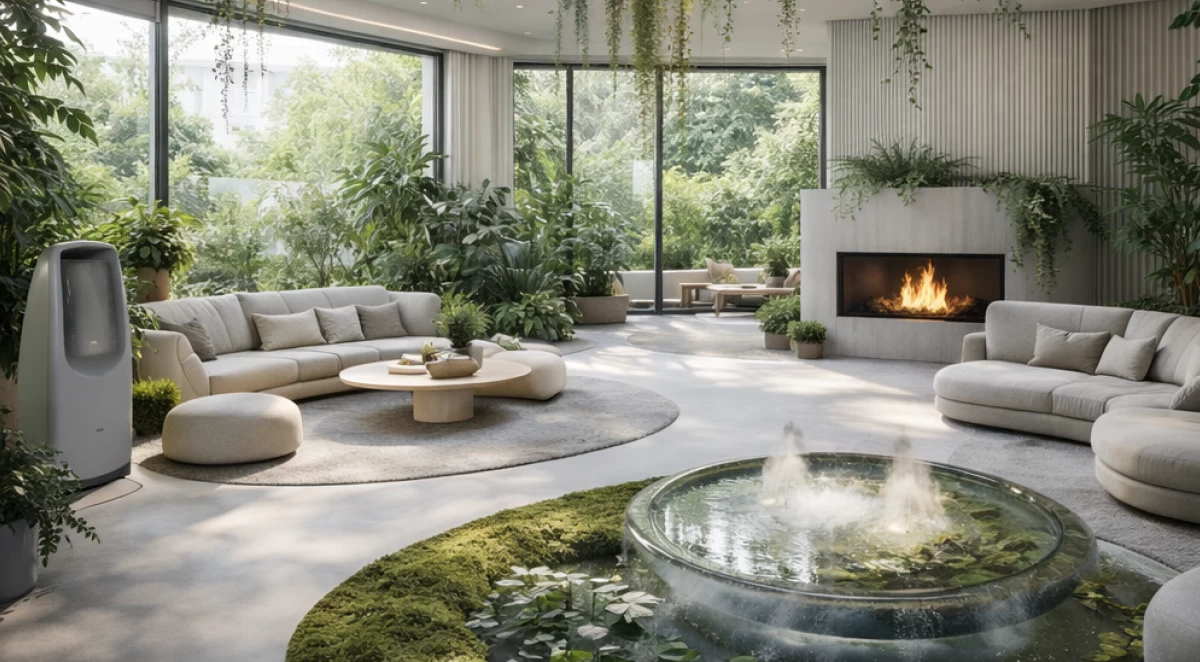

Forward design today is about foresight—creating environments that anticipate change, support well-being, and remain relevant for decades. Developments that will endure are those planned forward, built with intention, and focused on people.
One of the most influential emerging approaches is anticipatory planning, designing communities for future behavior. Walkability, open green spaces, integrated bike paths, and mixed-use zoning are no longer just value-added features. These elements reflect a shift toward human-centered environments where wellness, accessibility, and time efficiency matter more than density alone.
Another key trend is the decline of single-purpose spaces. Homes today are no longer just places to rest; they are workspaces, wellness retreats, and social hubs. Developments blend residential areas with commercial, retail, and lifestyle zones, enabling residents to move easily between work and life without long commutes or urban fatigue.
Sustainability is also evolving as a core design principle. Green corridors, natural ventilation, lower-density planning, and respect for the natural landscape increasingly shape the new definition of premium living. In the coming years, true luxury will be measured not by excess but by resilience, space to breathe, access to nature, and long-term environmental responsibility.
Perhaps the most significant shift, however, is decentralization. Forward design recognizes that the future of real estate relies on self-sustaining urban nodes rather than overconcentrated city centers. Decentralized communities can grow organically, supported by infrastructure designed to scale rather than overwhelm.

Zadia in Greenfield City
Looking toward 2026 and the years ahead, forward design and creativity will shape Philippine real estate not just as developments but as living ecosystems. Value will no longer be measured solely by scale or returns but by how spaces uplift communities, nurture wellbeing, and contribute to nation-building.
In the local context, human-centered and wellness-driven design will continue to shape how we inhabit spaces. Our climate, culture of community, and deep relationship with nature naturally lend themselves to environments that prioritize light, airflow, material tactility, and sensory balance. Design becomes not just functional or beautiful but restorative, supporting mental health, resilience, and everyday wellbeing.
Adaptive and flexible spaces will be increasingly important as Filipino lifestyles evolve. Hybrid work, multi-generational households, and mixed-use developments require interiors and buildings that can transform over time. Rather than rigid typologies, we will see spaces designed with foresight, able to respond to changing family structures, work patterns, and economic realities.
Sustainability becomes a necessity and will mature into climate-responsive and regenerative design. In a country highly vulnerable to climate change, forward design must be responsible and rooted in place, embracing passive cooling, local materials, circular systems, and solutions that strengthen both environmental and community resilience.
Equally vital is the rise of culturally rooted design. As global aesthetics become increasingly homogenized, the most meaningful spaces will be those reflecting Filipino identity: our craftsmanship, textures, narratives, and sense of bayanihan. Design that honors heritage while innovating for the future creates spaces with soul and relevance.
Ultimately, the future of design lies in conscious, context-driven creation—design that is intentional, inclusive, and deeply human.

Casa De Los Gatos

Three emerging design approaches stand out as most influential in redefining how we live, work, and experience the built environment in 2026 and the years ahead: artificial intelligence, prefabrication, and material innovation.
Artificial intelligence is transforming the design process itself. In the Philippines, where clients often come from diverse cultural, social, and economic backgrounds, AI is making design more democratic and accessible. Clients are now able to articulate their needs, preferences, and inspirations more clearly through AI-generated visuals, references, and simulations. This shifts the role of designers and architects as curators of meaning, quality, and long-term value. As a result, it becomes even more important for professionals to demonstrate their worth, not through speed alone, but through critical thinking, contextual sensitivity, and solutions that go beyond what algorithms can produce.
Prefabrication is another critical approach that aligns strongly with the realities of the Philippine construction industry. With labor shortages, rising costs, and tight project timelines, prefabrication allows us to build faster, more affordably, and with greater consistency. Designing for off-site fabrication requires a shift in mindset. Buildings must be conceived as systems rather than one-off objects. This approach also presents an opportunity to improve working conditions for construction workers, moving labor away from unsafe, weather-exposed sites into more controlled environments. In a country frequently affected by typhoons and extreme heat, this has major implications for resilience, productivity, and sustainability.
Finally, materials innovation will define the future of Philippine architecture. Emerging alternatives such as engineered and processed bamboo offer a promising path forward. Investing in locally sourced, innovative materials strengthens self-reliance while reducing environmental impact.
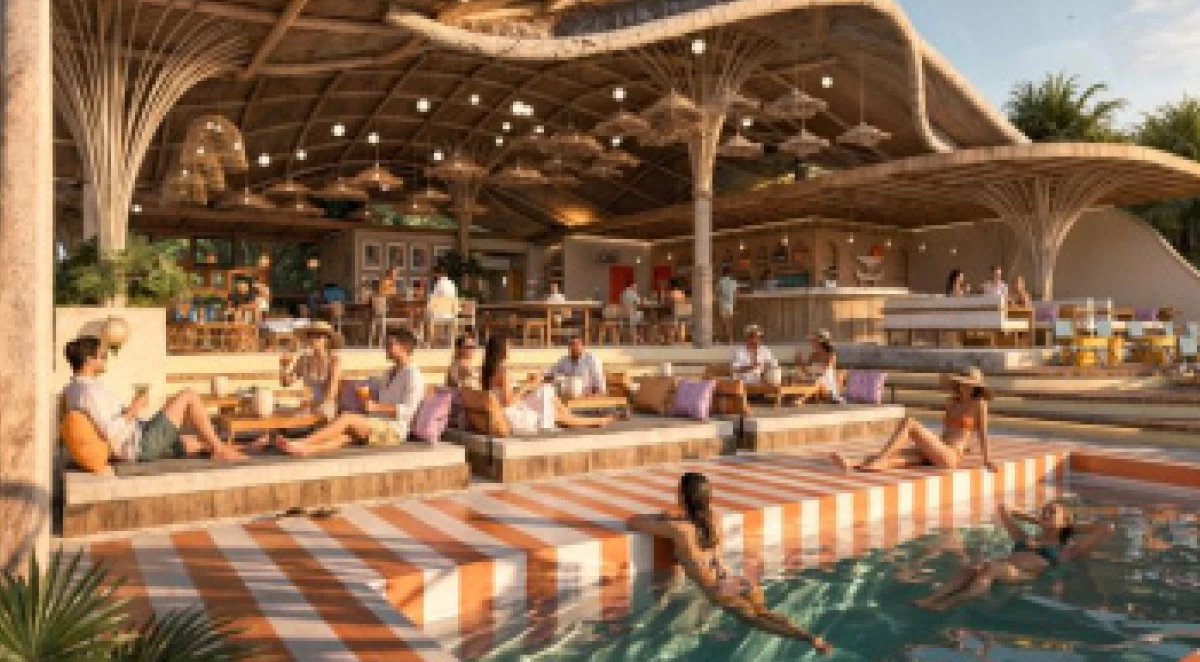
Mr. Turtle Beach Club in Siargao

As we move into the next quarter-century, there is a clear shift away from design driven solely by technological novelty toward a more people-centric and purpose-led approach. While innovation in tools and materials remains crucial, the most influential design direction in 2026 and beyond will focus on human experience, wellbeing, and adaptability.
Forward design will redefine real estate by prioritizing long-term value, resilience, and contextual relevance, ensuring buildings can evolve with changing lifestyles and work patterns.
At Casas+Architects, we believe the future of the built environment lies not in chasing trends but in designing with empathy and foresight.

Lyceum of the Philippines Davao campus