







Newly identified Philippine orchid faces extinction risk
By Jel Santos
Published Mar 2, 2026 09:13 am
|
Updated Mar 2, 2026 02:27 pm


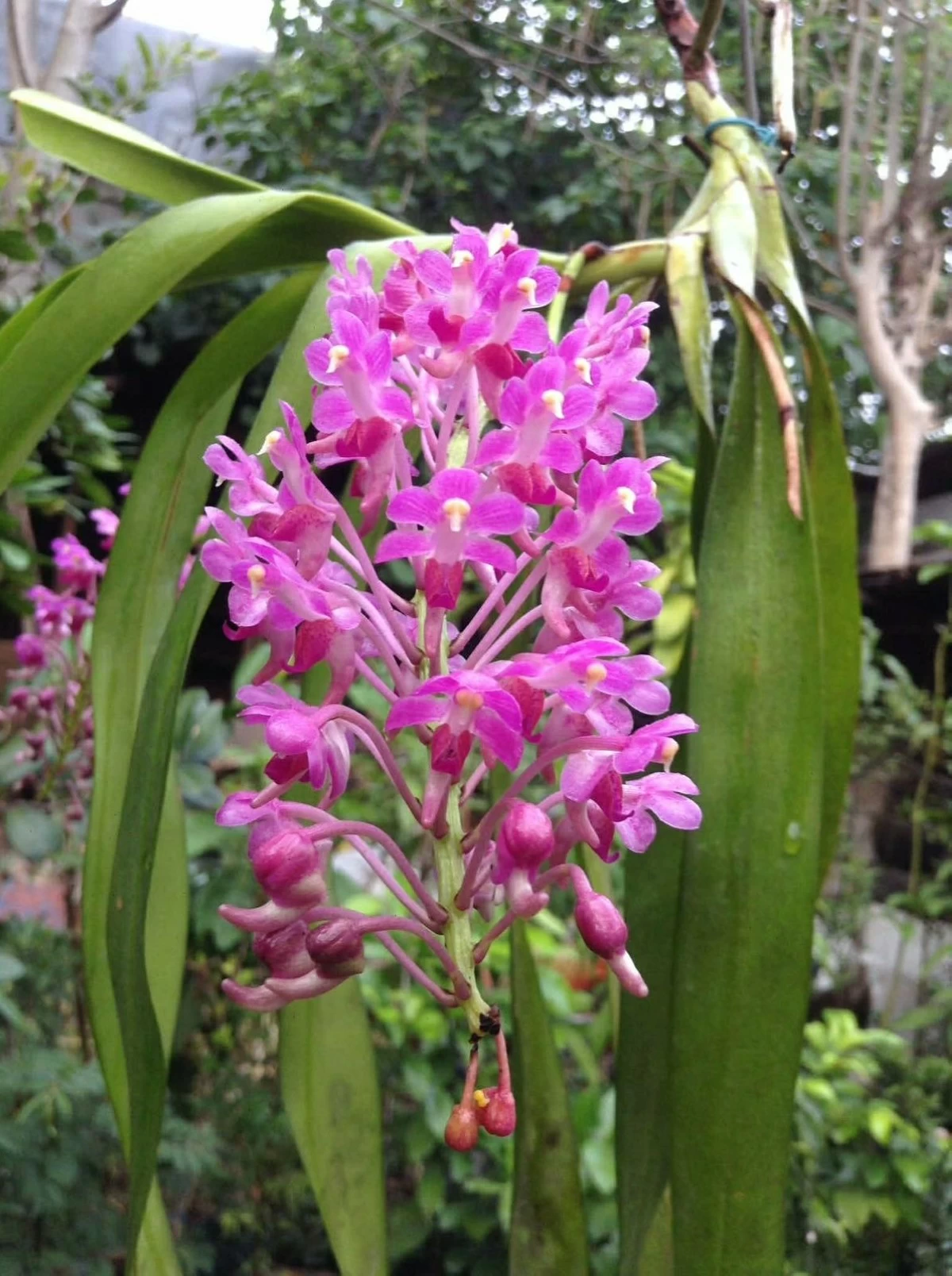
Aerides jannae (CONTRIBUTED PHOTO)
A newly identified orchid species from the Sulu Archipelago has been placed under the International Union for Conservation of Nature (IUCN) category as Endangered by the authors of a recent scientific study, citing habitat destruction and past overcollection that have drastically reduced its population.
In a newly published paper, Filipino orchid researcher Derek Cabactulan and Australian orchid specialist Jim E. Cootes formally named the species Aerides jannae, confirming it as new to science following investigations into cultivated plants and historical records.
According to the study, Aerides jannae was rediscovered in fragmented forests in Basilan Island, part of the Sulu Archipelago, where it grows as an epiphyte - - - a plant that grows on another plant for support - - - in secondary forests at around 500 meters above sea level.
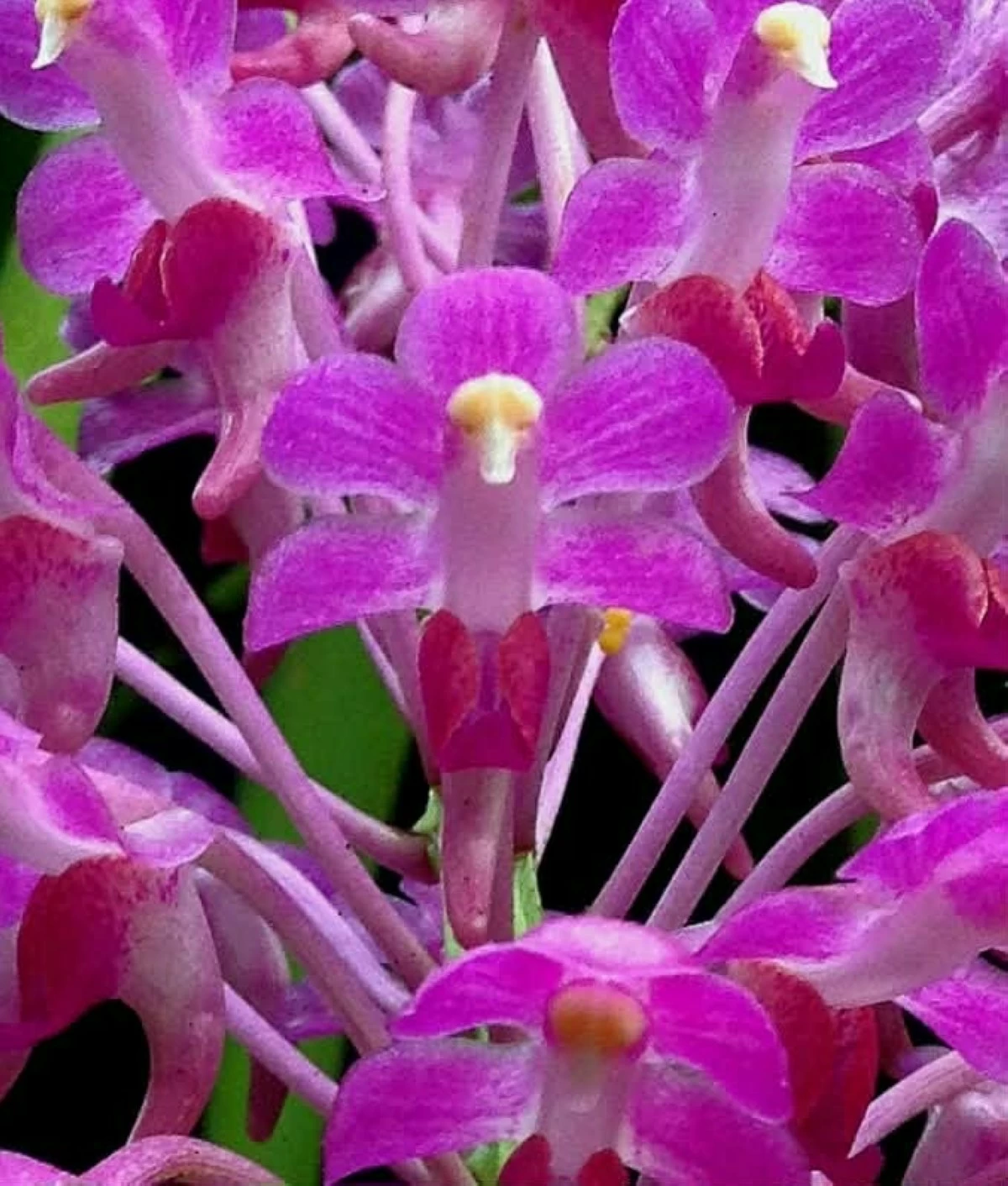
Aerides jannae (CONTRIBUTED PHOTO)
The researchers said the orchid produces long, pendulous inflorescences bearing up to 40 faintly scented flowers.
They added that its blooms are predominantly dark purple, with some specimens displaying light ochre lateral lobes marked with minute purple spots, and a short, strongly incurved spur.
“Aer. jannae was once widely distributed throughout the Sulu Archipelago but is now becoming scarce due to habitat destruction, agricultural land conversion and past overcollection,” the authors said.
“Because of its limited distribution area with a very small population, we place this species under the IUCN category as Endangered,” they added.
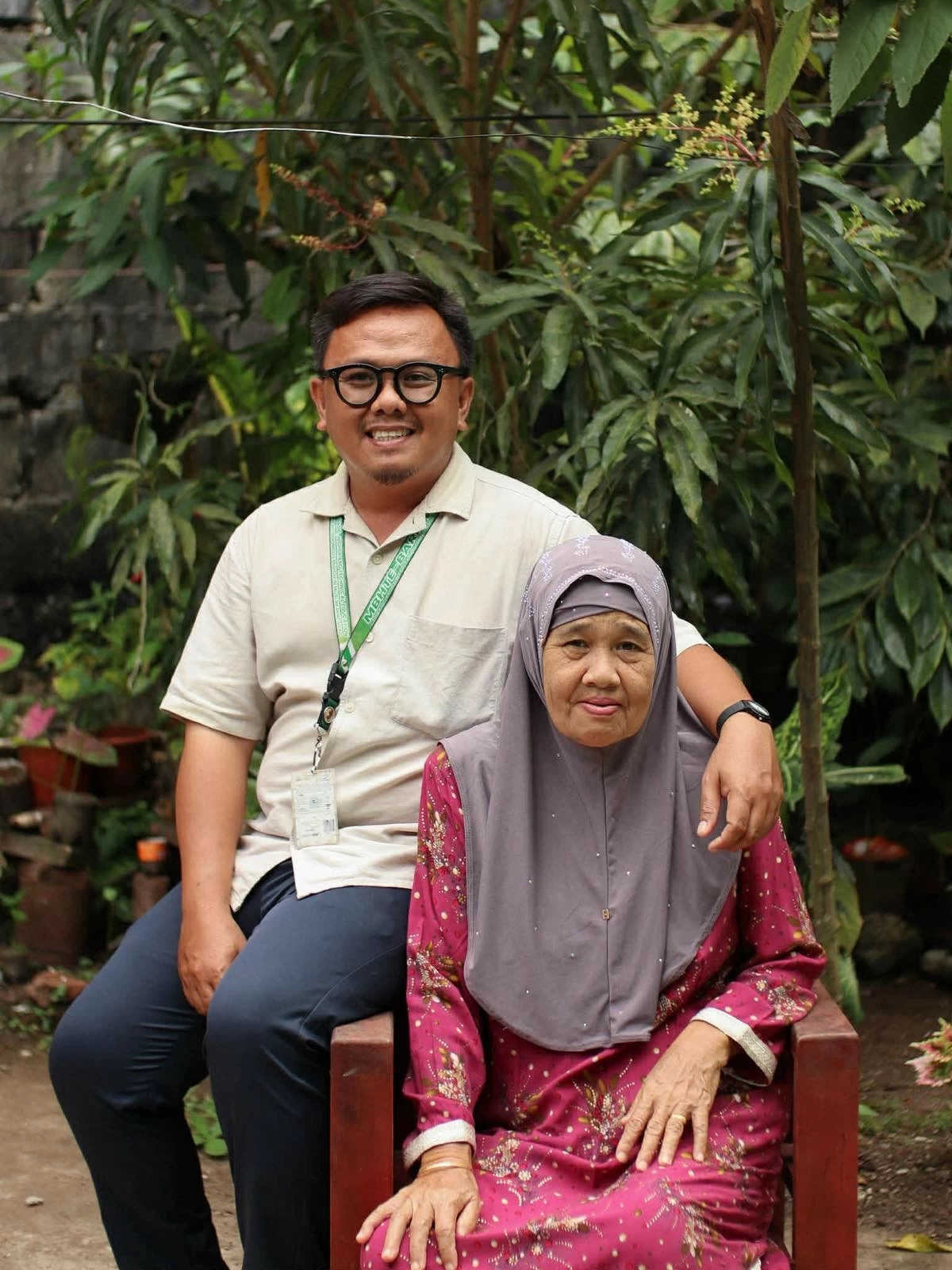
Shameer Mangkabong with his mother, Janna, for whom the species was named. (CONTRIBUTED PHOTO)
The specific epithet honors Janna, described in the study as the mother of Shameer Mangkabong, who rediscovered the species’ provenance, with “al-Janna” being the Arabic word for paradise.
The study noted that some residents cultivate the orchid as domestic plants, with specimens previously collected from former logging concession areas and converted forest lands used for rubber and coconut plantations.
In addition, the researchers clarified that the orchid had long been misidentified in cultivation and was previously misapplied as Aerides ×burbidgei, a natural hybrid, or confused with similar Indonesian species.