






Manila Bulletin
 Philippines
National
P7,000 monthly fuel subsidy for PUV drivers, farmers pushed by De Lima
Philippines
National
P7,000 monthly fuel subsidy for PUV drivers, farmers pushed by De Lima
Philippines
National
P7,000 monthly fuel subsidy for PUV drivers, farmers pushed by De Lima
P7,000 monthly fuel subsidy for PUV drivers, farmers pushed by De Lima
Published Feb 28, 2026 11:43 pm


At A Glance
- For vulnerable sectors in the country like public utility vehicle (PUV) drivers and farmers, an institutionalized monthly fuel subsidy program will go a long way.
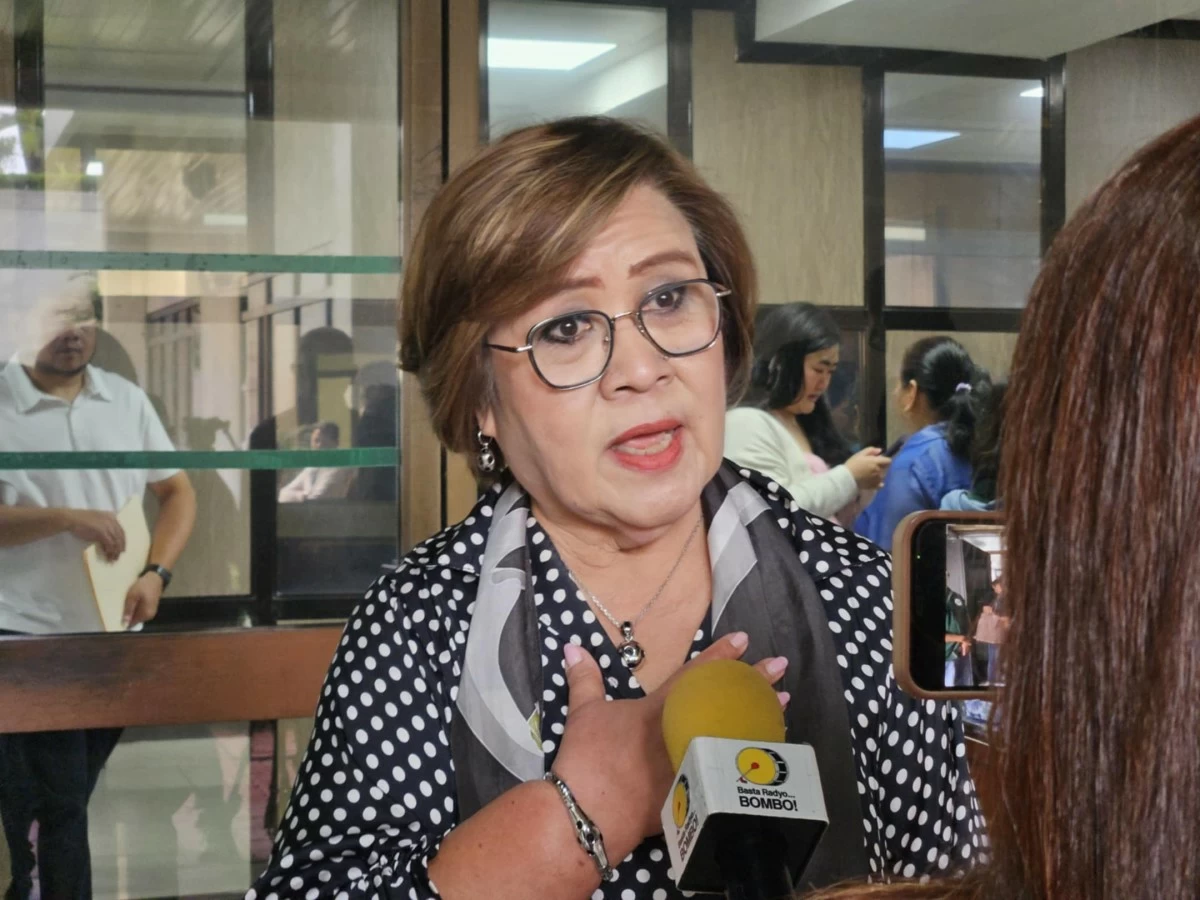
Mamamayang Liberal (ML) Party-list Rep. Leila de Lima (Ellson Quismorio/ MANILA BULLETIN)
For vulnerable sectors in the country like public utility vehicle (PUV) drivers and farmers, an institutionalized monthly fuel subsidy program will go a long way.
Knowing this, House Deputy Minority Leader and Mamamayang Liberal (ML) Party-list Rep. Leila de Lima filed House Bill (HB) No. 8031 or the proposed "Fuel Subsidy Program Act".
Through the measure, De Lima aims to provide a monthly fuel subsidy of not less than P7,000 to public utility vehicle (PUV) drivers, farmers, fisherfolks, and other low-income sectors.
"Filipino workers in sectors largely dependent on oil shall be provided stability in their livelihoods regardless of geopolitical developments that inevitably affect oil prices,” the Bicol lawmaker said.
De Lima’s measure recognizes that several government agencies — such as the Department of Interior and Local Government (DILG), the Department of Transportation (DOTr), and the Department of Agriculture - Bureau of Fisheries and Aquatic Resources (DA-BFAR) — and local government units (LGUs) have occasionally provided fuel subsidies to affected workers, including tricycle drivers through the “Pantawid Pasada Program” and farmers and fisherfolk through the “Fuel Discount Program,” among others, to alleviate the burden of increased oil prices.
However, according to the lady solon, “The temporary, or often one-time, fuel subsidy programs by these government agencies and LGUs fail to provide the affected workers the necessary assurance that they shall have the consistent support to continue in their respective livelihoods amid the rising oil prices.”
“Mahalaga na maalalayan at matulungan ng gobyerno ang mga sektor na ito na naghahatid sa ating mga kababayan ng pangunahing mga serbisyo — kinakailangang transportasyon at pagkain sa hapag ng bawat pamilya. Sa pagpapagaan sa kanilang pasanin, natutulungan din natin silang pagandahin ang kanilang serbisyo sa mga Pilipino,” she added.
(It is important that the government support and assist these sectors that provide our people with essential services—transportation and food on every family’s table. By easing their burdens, we also help them improve the quality of the services they deliver to Filipinos.)
Among the identified beneficiaries of this measure include public transport operators and drivers, municipal fisherfolk, farmers and agricultural producers, and other low-income sectors as may be identified by the Department of Energy (DOE) and the Department of Social Welfare and Development (DSWD).
To ensure efficiency, accountability, and transparency in distribution, HB No. 8031 mandates that the subsidy be directly deposited into the beneficiaries’ bank accounts.
The amount of the monthly subsidy shall be subject to annual review and adjustment by the DOE and the Department of Budget and Management (DBM), in consultation with the Department of Economy, Planning, and Development (DEPDev), to account for inflation, prevailing fuel prices, and fiscal capacity.
“These are the kinds of programs to which our State should provide funding, instead of projects that never materialize and only benefit a few, including those who pocket kickbacks,” De Lima said.
“Sa regular na fuel subsidy para sa mga PUV drivers, maiiwasan ang dagdag na pasahe na pabigat din sa ating mga commuters. Sa tulong na ito para sa ating mga magsasaka at mangingisda, mapapataas ang kita nila na magbibigay ng dagdag na kakayahan para pataasin ang kanilang produksyon, na magpapababa naman sa presyo ng pagkain. Sa lahat ng ito, sambayanan ang makikinabang,” she explained.
(With the regular fuel subsidy for PUV drivers, additional fares that burden commuters can be avoided. Through this assistance for our farmers and fisherfolk, their incomes can be increased, giving them greater capacity to boost production, which in turn will lower food prices. In all of this, it is the people who will benefit.)