






 Business
Trade & Industry
Philippine office market regains momentum amid stronger leasing demand—Colliers
Business
Trade & Industry
Philippine office market regains momentum amid stronger leasing demand—Colliers
Philippine office market regains momentum amid stronger leasing demand—Colliers


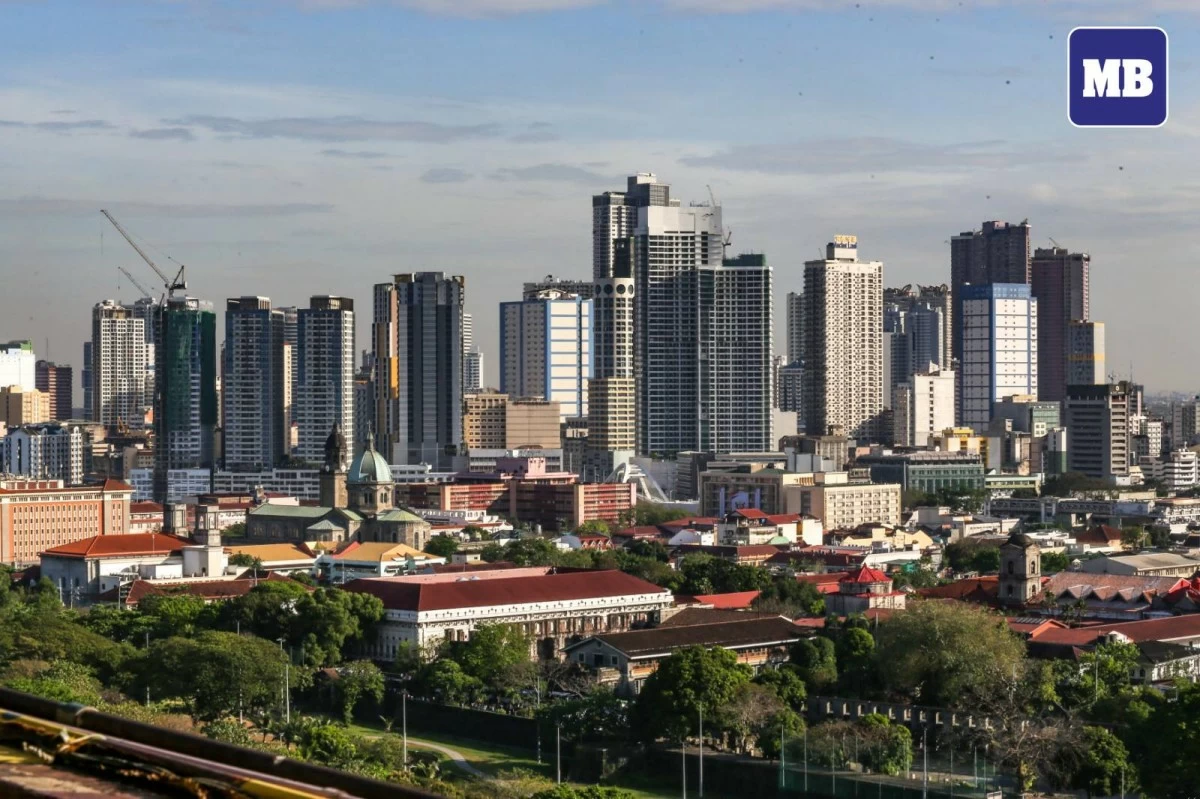
The Philippine office sector posted a strong recovery in 2025, supported by rising leasing activity, sustained demand from traditional occupiers and business process outsourcing (BPO) firms, and a steady pipeline of new supply, according to the latest regional report by property consultancy Colliers.
In its Asia-Pacific Office Market Insights for February 2026, Colliers said the Philippines emerged as one of the region’s standout markets as office demand rebounded alongside broader regional recovery.
“The Philippines, New Zealand, and Hong Kong registered significant leasing momentum with each recording multifold rise in leasing demand during 2025,” the report said.
The resurgence in leasing activity reflects continued expansion by both outsourcing firms and conventional corporate occupiers, signaling improving confidence in the Metro Manila office market after several years of pandemic-driven adjustments.
Colliers noted that occupiers across Asia-Pacific are increasingly re-engaging with physical office space while becoming more selective, prioritizing quality buildings aligned with operational performance and long-term business strategy.
Across the region, total office leasing activity reached 9.8 million square meters (sqm) in 2025, up 11 percent year-on-year, supported by portfolio expansion and improving business sentiment.
While China, India, and Japan continued to anchor overall demand volumes, the Philippines stood out for the pace of growth rather than sheer size, indicating renewed momentum in tenant expansion.
Colliers data show that approximately 250,000 sqm of new office space were completed in the Philippines in 2025, with a similar volume expected to enter the market in 2026.
The steady addition of grade A office stock suggests developers remain confident in long-term occupier demand, even as firms adopt hybrid workplace strategies.
Regionally, office supply expanded alongside demand, rising 19 percent year-on-year across Asia-Pacific markets, helping maintain a balance between new construction and tenant absorption.
Colliers projects improving fundamentals in Metro Manila’s major business districts as vacancies gradually tighten.
The report said markets showing positive demand, limited supply, and declining vacancy, including the Philippines, are likely to experience rental growth.
“High-performing markets with positive demand, limited supply and declining vacancy... such as Australia, India, New Zealand, the Philippines and Singapore, are likely to witness an uptick in rental values,” Colliers said.
As vacancy rates move toward single-digit levels in 2026, landlords in primary business districts are expected to implement modest rental increases.
Across Asia-Pacific, office markets are entering what Colliers described as a phase defined less by expansion volume and more by strategic space decisions.
The consultancy said occupiers are increasingly favoring modern, high-quality buildings as companies align real estate decisions with productivity, resilience, and talent strategies.
For Colliers, demand and supply are expected to remain healthy through the first half of 2026, with vacancy levels declining across most markets and competition intensifying for prime assets.