






Manila Bulletin
 Philippines
National
Legarda sponsors bill to fix gaps in Universal Access to Tertiary Education Law
Philippines
National
Legarda sponsors bill to fix gaps in Universal Access to Tertiary Education Law
Philippines
National
Legarda sponsors bill to fix gaps in Universal Access to Tertiary Education Law
Legarda sponsors bill to fix gaps in Universal Access to Tertiary Education Law
By Dhel Nazario
Published Feb 26, 2026 05:27 pm


At A Glance
- Senator Loren Legarda has sponsored a bill seeking to strengthen Republic Act No. 10931, or the Universal Access to Quality Tertiary Education Act, through reforms aimed at promoting equity, accountability, and sustained support for the country's poorest students.
Senator Loren Legarda has sponsored a bill seeking to strengthen Republic Act No. 10931, or the Universal Access to Quality Tertiary Education Act, through reforms aimed at promoting equity, accountability, and sustained support for the country’s poorest students.
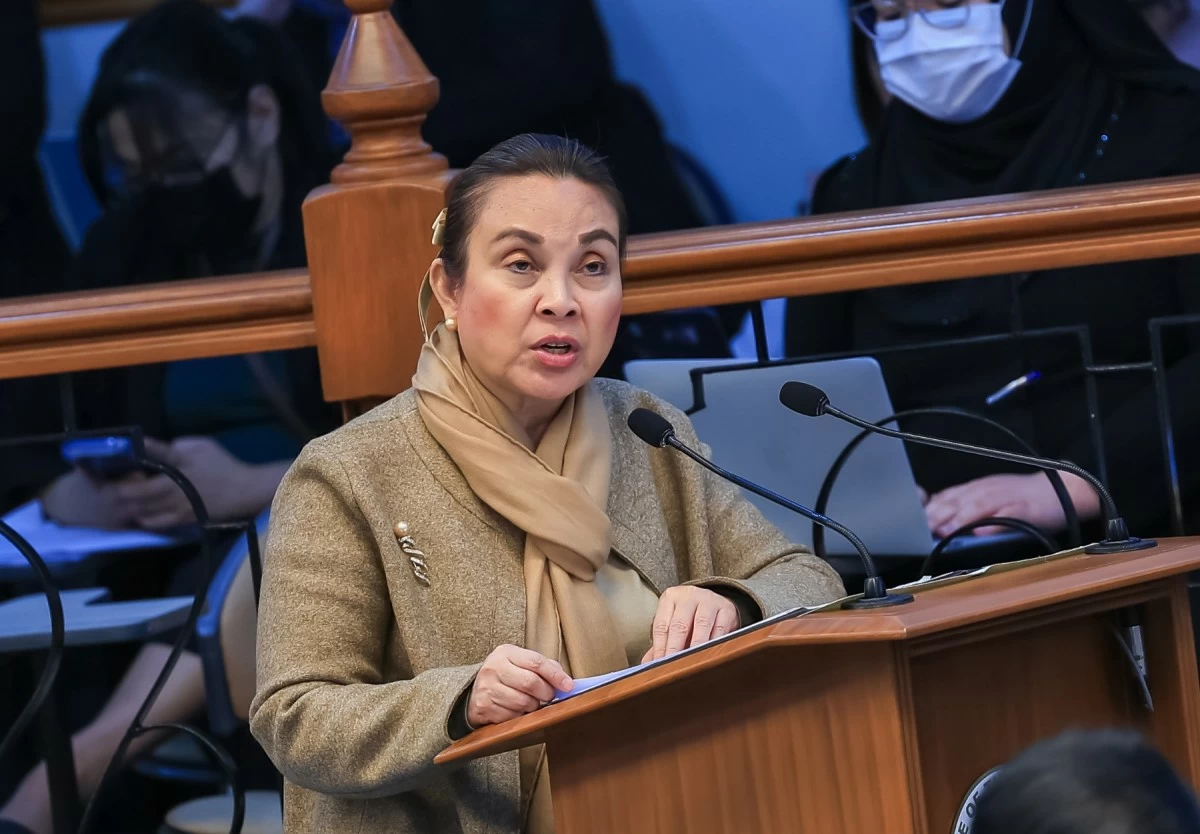
Senator Loren Legarda (Senate PRIB photo)
“We are a nation that tells its children: Ang edukasyon ang pinakadakilang daan tungo sa pagkakapantay-pantay (Education is the greatest path toward equality),” Legarda, who co-chairs the Second Congressional Commission on Education (EDCOM II), said.
She emphasized that education must remain the Philippines’ most powerful tool for expanding opportunities and advancing social mobility. Citing EDCOM II findings, Legarda pointed out that the proportion of Tertiary Education Subsidy (TES) beneficiaries from the poorest households sharply declined from 74% in 2018 to only 30% in 2022. At the same time, the share of grantees enrolled in private institutions located in areas without state universities increased to 69%.
“Isang porsyento lamang, mga kasama (Only 1 percent is included),” she emphasized, referring to data showing that in 2024, just 1% of senior high school graduates under the Pantawid Pamilyang Pilipino Program (4Ps) were able to access TES as first-year college students.
Under the proposed measure, guaranteed TES slots will be allocated to 4Ps secondary education completers admitted to recognized institutions, while remaining slots will be distributed based on household income. The bill also provides for more inclusive admissions criteria to better accommodate disadvantaged learners.
“Kung patas ang talino, dapat patas din ang pagkakataon (If talent is equal, opportunity should be equal as well),"Legarda said, underscoring the importance of equitable access to higher education.
She further explained that TES amounts will be reviewed every two years to account for inflation and may not be reduced once awarded. Coverage will also be expanded to include clinical internships and Related Learning Experience (RLE) fees for nursing and allied health students. To strengthen accountability, the bill directs the Unified Student Financial Assistance System for Tertiary Education (UniFAST) to establish monitoring and sanctions mechanisms, along with regular quality assessments of participating institutions.
Addressing employability, the proposal mandates career guidance programs and differentiated TES support for students enrolled in priority courses aligned with national development goals.
“Ang tunay na tagumpay ay ang makita ang ating mga kabataan na nakapagtapos, at nakahanap ng landas tungo sa isang marangal na buhay (The true measure of success is seeing our youth complete their education and build a path toward a dignified future),” she said, stressing the link between education, employment, and dignity.
Legarda concluded by urging lawmakers to fund the program to ensure its effectiveness fully.
“Kung walang pondo, walang pagbabago. At ang katumbas na halaga ng tamang pagpopondo nito ay higit na mas mababa sa kabayarang dulot ng kakulangan—hindi lamang sa mga pangarap na naudlot, kundi sa kinabukasan ng ating inang bayan (No reform is possible without funding. And the cost of adequate financing is far less than the burden imposed by neglect—not only in the loss of dreams, but in the erosion of our nation’s future),” she said, calling on Congress to prioritize education in the national budget.