






Manila Bulletin
 Philippines
National
DepEd showcases Filipino-led AI innovation at global education summit
Philippines
National
DepEd showcases Filipino-led AI innovation at global education summit
Philippines
National
DepEd showcases Filipino-led AI innovation at global education summit
DepEd showcases Filipino-led AI innovation at global education summit
Published Feb 26, 2026 01:55 pm


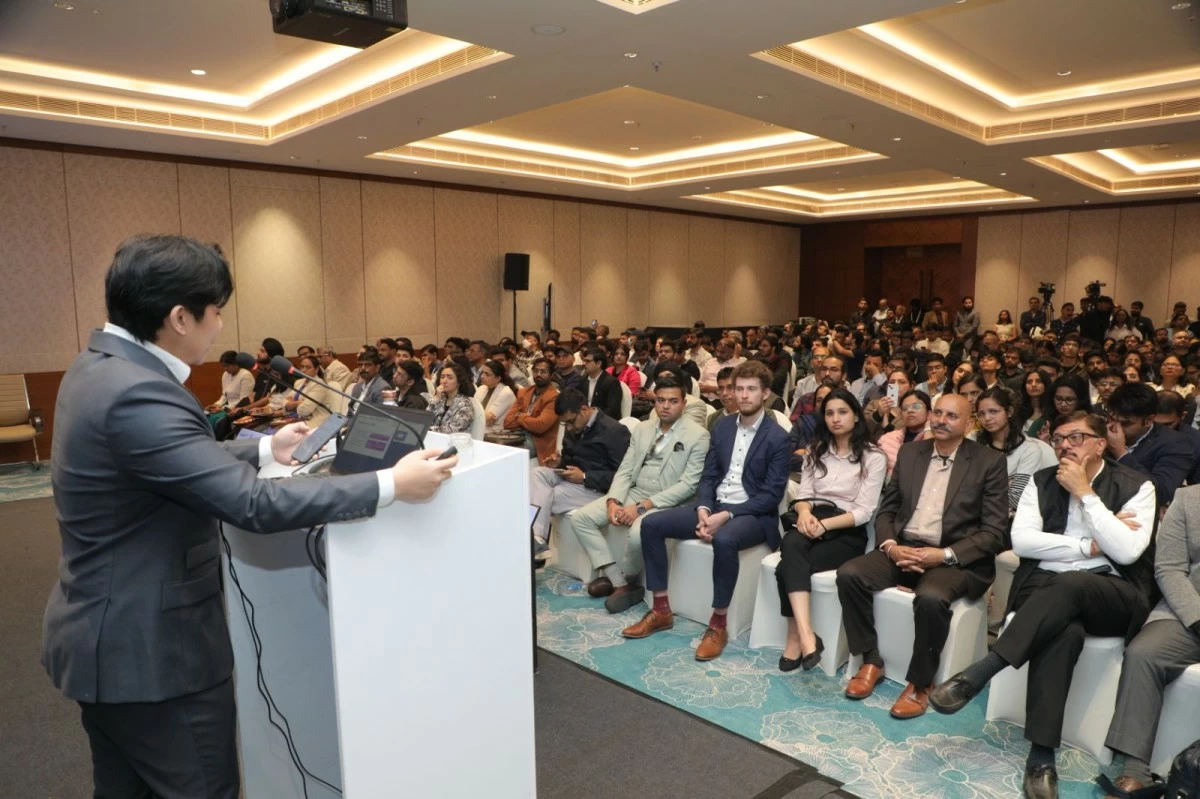
SCALING AI FOR PHILIPPINE SCHOOLS: Through ECAIR, DepEd highlights systems like SIGLA and SABAY that streamline administration and expand learning support, moving AI from pilot projects to nationwide implementation. (DepEd photo)
The Department of Education (DepEd) on Thursday, February 26, highlighted its pioneering Filipino-led artificial intelligence (AI) initiatives in public education at the AI Impact Summit.
Held at the Bharat Mandapam Convention Centre in New Delhi, India, from February 16 to 21, DepEd said that through its Education Center for AI Research (ECAIR), it presented a national framework aimed at scaling AI responsibly across the country’s public education system—focusing on moving beyond small pilot projects toward system-wide transformation.
Evidence-based AI for Philippine schools
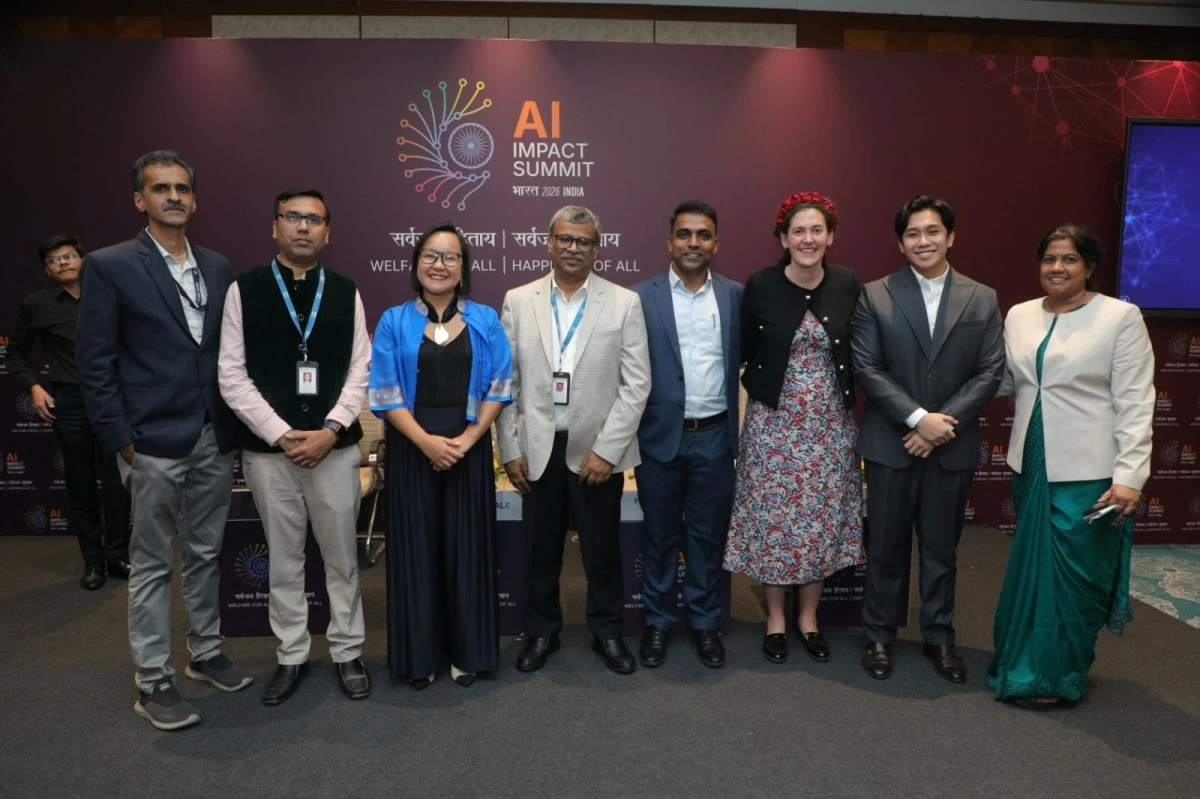
DEPED AT THE AI IMPACT SUMMIT IN NEW DELHI: Showcasing the Philippines’ national framework for responsible AI in education, empowering teachers, protecting learners, and driving measurable impact nationwide. (DepEd photo)
In a statement, DepEd Secretary Sonny Angara stressed that AI adoption in schools must be guided by evidence, accountability, and measurable impact.
“At DepEd, we are deliberate about building AI that strengthens public institutions, protects our learners, and delivers measurable results at scale,” Angara said.
“ECAIR reflects our commitment to move beyond experimentation and toward responsible transformation across our entire education system,” he added.
ECAIR’s team emphasized that even modest efficiency gains can have a substantial effect in a system serving over 24 million learners.
“In a system serving over 24 million learners, even a one percent gain in efficiency has a massive impact on our country’s education system,” ECAIR Governance and Delivery Lead Elmo Domino Jose said.
“By integrating AI into DepEd’s operations, we are saving millions of hours of our teachers’ time so they can focus on teaching,” he added.
Key AI systems in Philippine education
During the summit, ECAIR highlighted AI tools already transforming school operations. These include SIGLA, which automates school health monitoring and reporting, saving an estimated 60,000 hours annually for around 34,000 teachers, and SABAY, an AI-supported digital triage system extending specialist academic support to 48,000 public schools, particularly aiding early-grade learners.
ECAIR’s framework for expanding AI in public education emphasizes technical readiness, institutional ownership, embedded governance, and transparent implementation to maintain public trust.
Global collaboration strengthens AI in education
The summit session, organized by EdTech Hub’s AI Observatory & Action Lab, provided a platform for cross-country learning and evidence-based policy development.
DepEd said the Philippines is the only Southeast Asian country selected for the AI Observatory’s Ministry of Education AI Challenge, supported by the UK Foreign, Commonwealth & Development Office (FCDO).
“Our partnership with EdTech Hub’s AI Observatory ensures we are not building in isolation,” ECAIR Managing Director Dr. Erika Fille Legara said. “We co-design systems grounded in school realities while learning from global experience.”
Through these initiatives, DepEd said it is positioning the Philippines as a leader in responsible AI adoption in education, demonstrating that technology can enhance teacher productivity, support learners, and strengthen public education institutions.