






Manila Bulletin
 Philippines
National
Makabayan appeals to Marcos admin: Place Philippines back in ICC
Philippines
National
Makabayan appeals to Marcos admin: Place Philippines back in ICC
Philippines
National
Makabayan appeals to Marcos admin: Place Philippines back in ICC
Makabayan appeals to Marcos admin: Place Philippines back in ICC
Published Feb 24, 2026 11:47 am
|
Updated Feb 24, 2026 01:18 pm


At A Glance
- The militant Makabayan bloc is prodding the Marcos administration--through the sought endorsement of the House of Representatives--to facilitate the Philippines' return to the fold of the International Criminal Court (ICC).
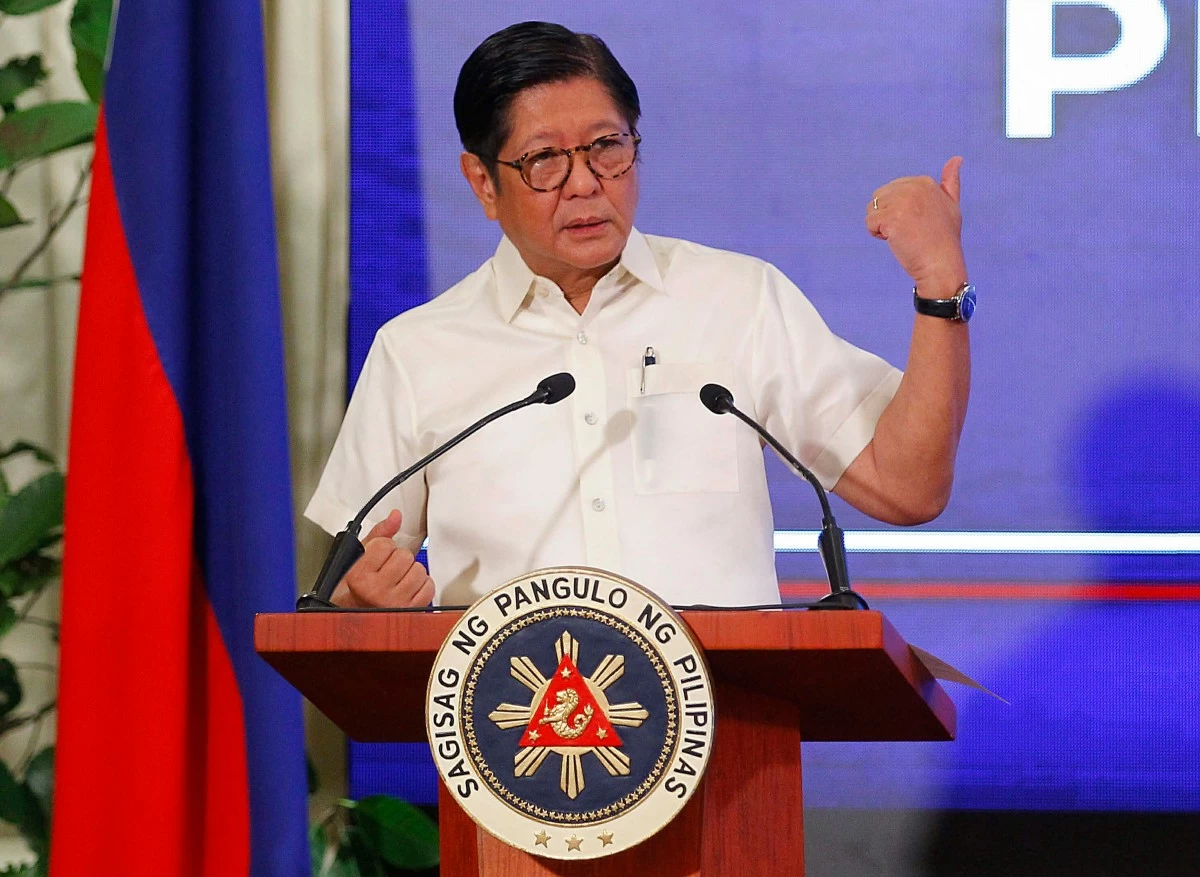
Presidential Ferdinand "Bongbong" Marcos Jr. (Mark Balmores/ MANILA BULLETIN)
The militant Makabayan bloc is prodding the Marcos administration--through the sought endorsement of the House of Representatives--to facilitate the Philippines' return to the fold of the International Criminal Court (ICC).
Makabayan members ACT Teachers Party-list Rep. Antonio Tinio, Gabriela Party-list Rep. Sarah Elago, and Kabataan Party-list Rep. Renee Co filed House Resolution (HR) No.809 on Monday, Feb. 23 for this purpose.
On the same day, the United Nations (UN)-backed International Criminal Court (ICC) held its confirmation hearing on the charges against former president Rodrigo Duterte, who allegedly led a bloody war on drugs during his administration.
"The House of Representatives, through this resolution, formally expresses its sense urging for the government of the Republic of the Philippines to take necessary steps toward the re-accession of the Philippines to the Rome Statute, thereby rejoining the International Criminal Court and reaffirming its commitment to upholding justice, human dignity, and the rule of law," HR No.809 read.
"Rejoining the ICC would send a clear and strong message that the Philippines nonors its international obligations, respects the sanctity of life, and is committed to breaking the cycle of impunity and state violence," the authors said.
The 300-plus strong House will formaly express this sense as a body if and when the measure gets adopted in plenary.
The Makabayan bloc recalled that in March 2018, the Philippines, under the administration of then-president Duterte, unilaterally withdrew from the Rome Statute.
It said the move that "was widely criticized by local and international human rights advocates as a retreat from accountability and transparency".
The militant lawmakers said that despite its withdrawal, the Philippines remained obligated under Article 127 of the Rome Statute to cooperate with the ICC in connection with investigations and proceedings concerning acts committed while it was a State Party. These included the acts committed during the Duterte administration.
Such withdrawal, the authors said, does not terminate any obligations incurred during the period of membership.
They said the ICC affirmed that it retains jurisdiction over crimes allegedly committed on Philippine territory during the period when the Philippines was a State Party to the Rome Statute - from Nov. 1, 2011 to March 17, 2019- regardless of the country's subsequent withdrawal.
They described The Hague-based ICC as "a court of last resort, activated only when domestic mechanisms are unable or unwilling to genuinely investigate and prosecute, making it vital recourse for victims when national justice systems fall short or are compromised".
"Reengagement with the ICC would strengthen the country's global reputation as a rights-respecting democracy, restore international confidence in the Philippines' legal system and bolster partnerships roted in justice, good governance, and the rule of law," the authors said.