







When Filipino drag took center stage
As drag steps boldly into the spotlight, Brigiding looks back on its rise, and ahead to its future as art and advocacy
By John Legaspi
Published Feb 21, 2026 09:27 am


In the past, drag culture was something people only saw under the laser lights of nightclubs. It was unusual to see someone wearing big wigs, elaborate garbs, and flawless mugs in the light of day. It was taboo, much like other LGBTQIA+ art forms. But during the early 2020s, drag emerged from nightclubs into the digital sphere, taking its artistry to a whole new level.
In February 2021, Manila Bulletin published the story “It's time we recognized drag queens for the artists they are,” celebrating what Filipino drag truly is: a vessel for queer art. Soon, that notion was solidified when not one, but two, reality drag competition shows premiered in the Philippines, bringing Filipino drag into mainstream media.
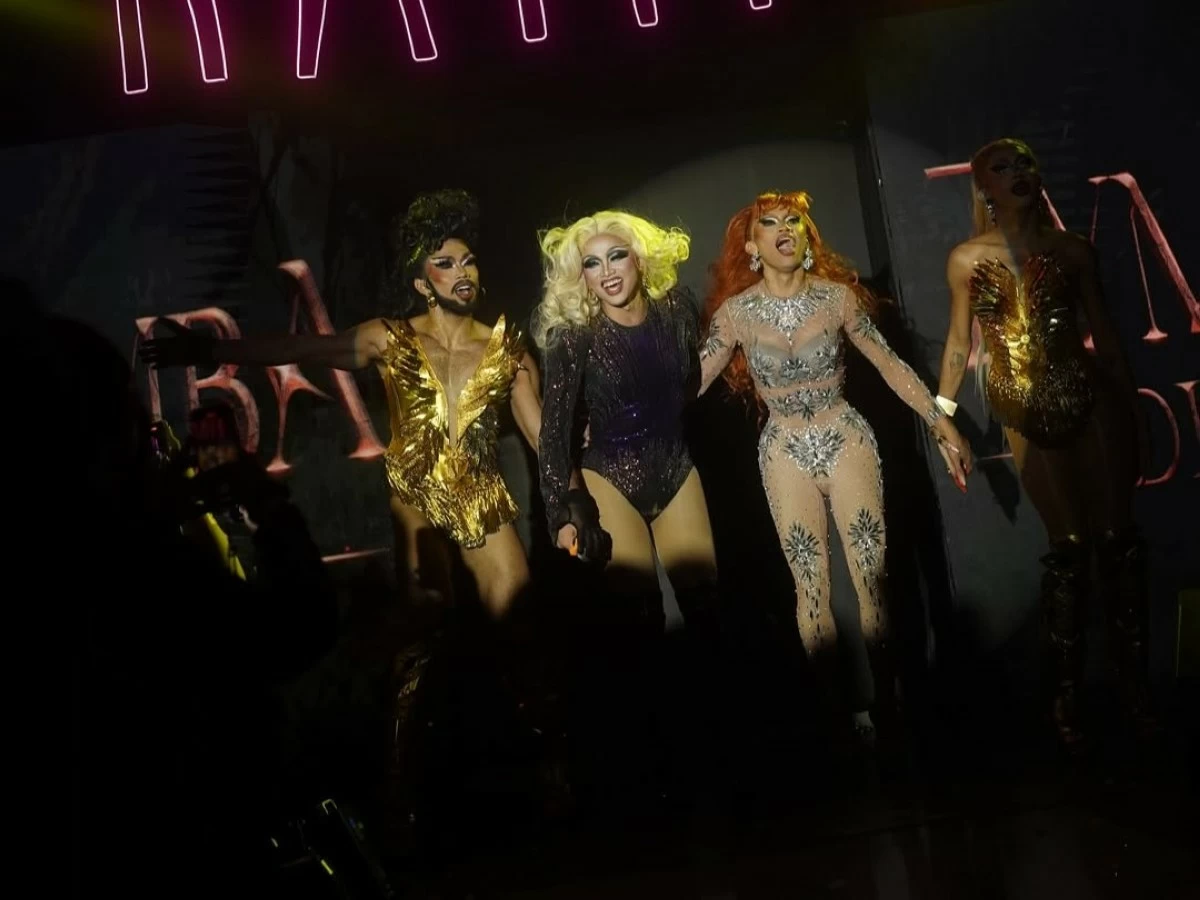
HOUSE OF DING (From left) Bomba, Brigiding, Zymba, and Felicia performing onstage
While these platforms spotlighted the many facets of Filipino drag culture, they also became a source of controversy for some. As applause grew louder, so did criticism. Yet controversy, in many ways, underscored drag’s power. Drag has always been political simply by existing. It bends gender, reclaims language, and transforms pain into pageantry.
As we close this year’s National Arts Month and celebrate Manila Bulletin’s 126th anniversary, we chat with one of the drag artists we “kikied” back in 2021, Brigiding. The winner of the first-ever “Drag Race Philippines: Slaysian Royale” reflects on the rise of Filipino drag, its new platforms, and the power it holds today.
Back in 2021, drag was not widely seen in mainstream media. For you, what is the biggest change you’ve observed in the drag scene since then?
People see drag now. What used to exist mostly in nightclubs—and even in bedrooms during the pandemic—has moved onto bigger stages, larger venues, and mainstream platforms. The reach is wider, and the opportunities are greater.
What really shifted is that drag has gone beyond pure entertainment. With more representation in major brand campaigns and mainstream events, drag artists now have safe spaces to advocate for truth, for our rights, and for our community.
Recently, I even had the opportunity to serve as a keynote speaker for the Philippine Financial and Inter-Industry Pride (PFIP), where I spoke to industry leaders about the “Power of Pride” and the importance of supporting the LGBTQIA+ community across all sectors. That kind of visibility wasn’t imaginable for me before.
How has mainstream exposure changed opportunities—and pressures—for drag performers?
It’s definitely a double-edged sword. As the art form grows, the pressure from fans and public expectations also increases. But when I focus on the opportunities, the impact has been overwhelmingly positive.
So many drag performers’ lives have changed—not just the queens, but the entire ecosystem around drag. From photographers and wig makers to stylists, designers, and other creatives, the rise of drag has created livelihoods and uplifted the whole community.
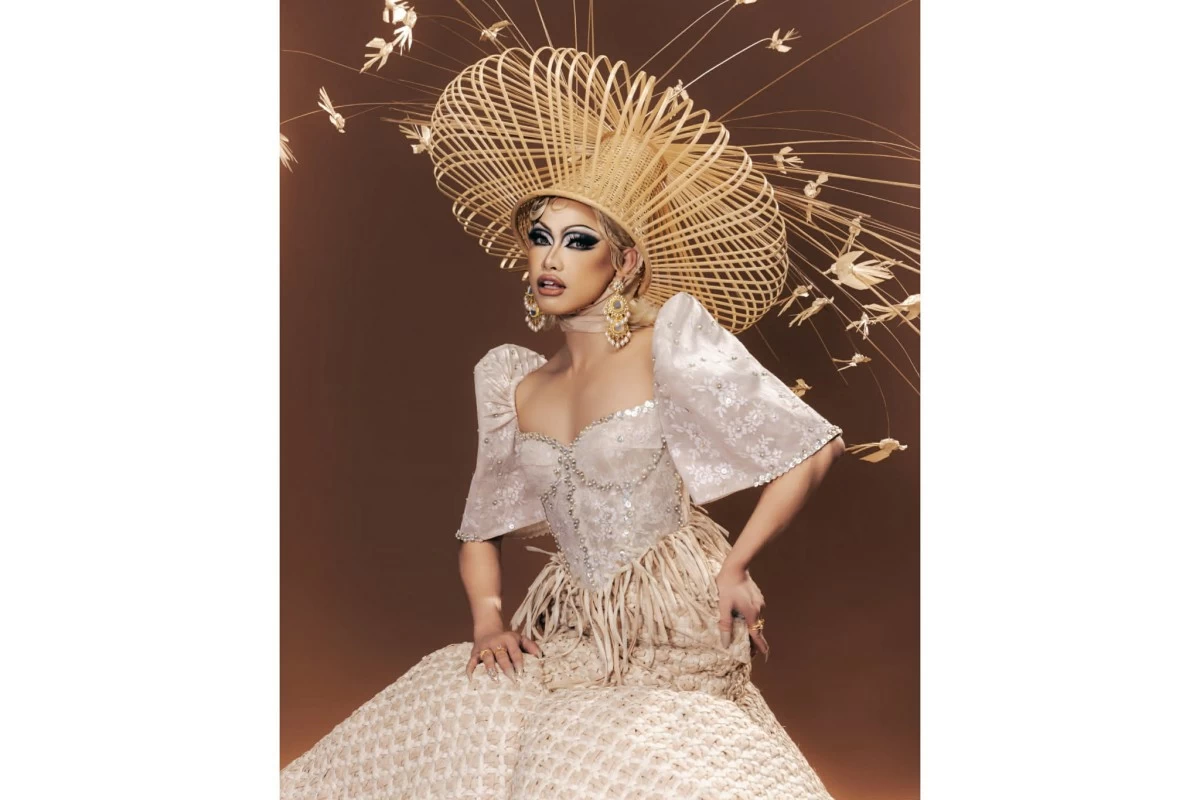
PORTRAIT OF A QUEEN Brigiding wearing a modern Filipiniana creation by Jaggy Glarino (Photo by Borgy Angeles)
Back then, drag thrived online out of necessity. Now that platforms for drag have broadened, where do you think drag artists should place more focus: live performances or digital content?
Honestly, both. Digital presence is essential. It allows drag to reach audiences who don’t always have access to venues or live shows. Online platforms helped drag survive, and they continue to help it grow.
But drag truly lives in live performance—the energy, the exchange with the audience—that’s the magic of drag. So I believe both should be cultivated. Digital and live performances aren’t competing; they support each other.
We are living in a time of increasing censorship. How important is it for Filipino drag to continue reflecting contemporary social and political realities?
It’s incredibly important. We’re living in a time when censorship is becoming more real, and for a long time, we still don’t have legislation that protects queer people. That’s exactly why Filipino drag matters right now.
Drag is political in all its forms. It exists to protest, to push boundaries, and to speak truth—through codes, humor, and beauty. It’s a powerful way to send a message, especially when free speech is being watched and social media continues to polarize society.
Filipino drag reflects our realities, our histories, and our resistance. It reminds us that even when voices are suppressed, art finds a way to speak—and to be heard.
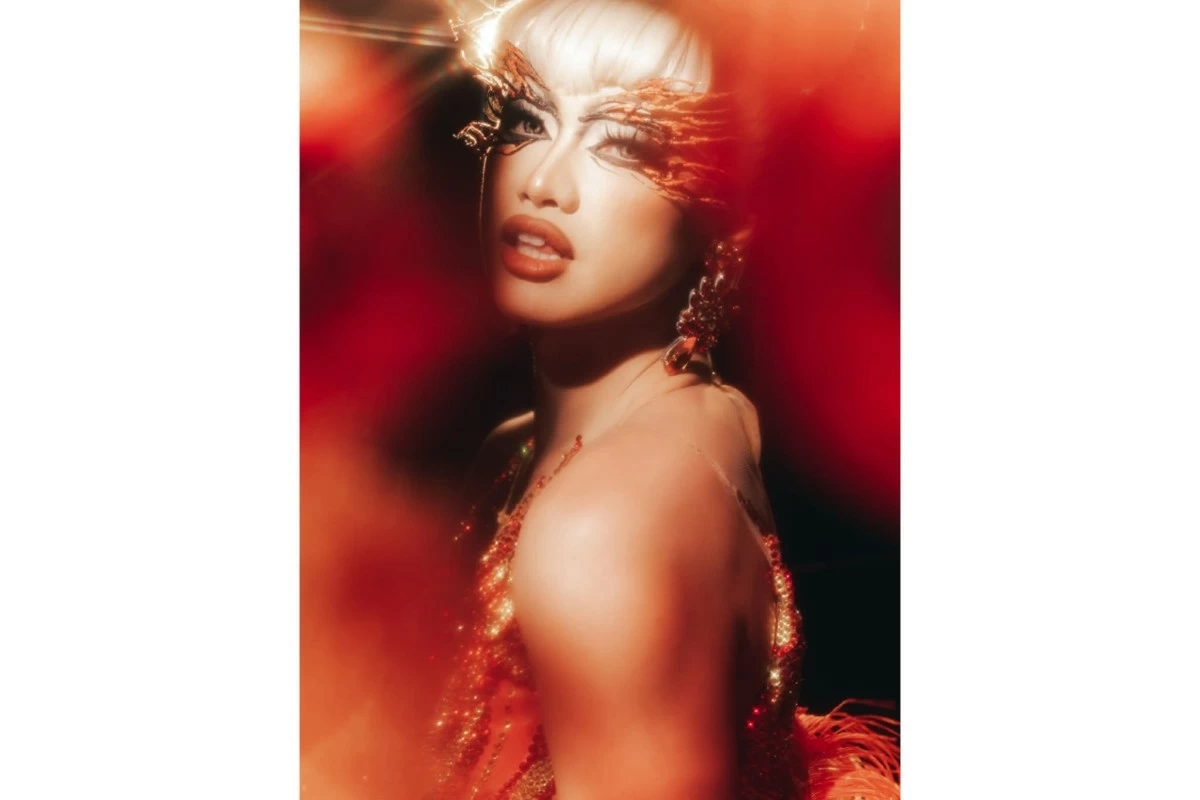
LIFE OF A SHOWGIRL Brigiding is beat for the gods
What does the future of Filipino drag culture look like?
The future of Filipino drag is bigger and brighter than where we are now. It’s community-driven and world-class. Drag will continue evolving as a space for truth-telling. It won’t just entertain; it will educate, question, and connect.
Most importantly, it will continue inspiring younger queer Filipinos by showing them possibilities, acceptance, respect, love, and the courage to be themselves.