






 Business
Banking & Finance
Philippines, Japan target ₱139 billion in new loan deals through early 2027
Business
Banking & Finance
Philippines, Japan target ₱139 billion in new loan deals through early 2027
Philippines, Japan target ₱139 billion in new loan deals through early 2027
By Derco Rosal


At A Glance
- The Philippine and Japanese governments are aiming to seal 11 additional loan agreements totaling 371.3 billion Japanese yen (approximately ₱139.1 billion) in 2026 through the first quarter of 2027.
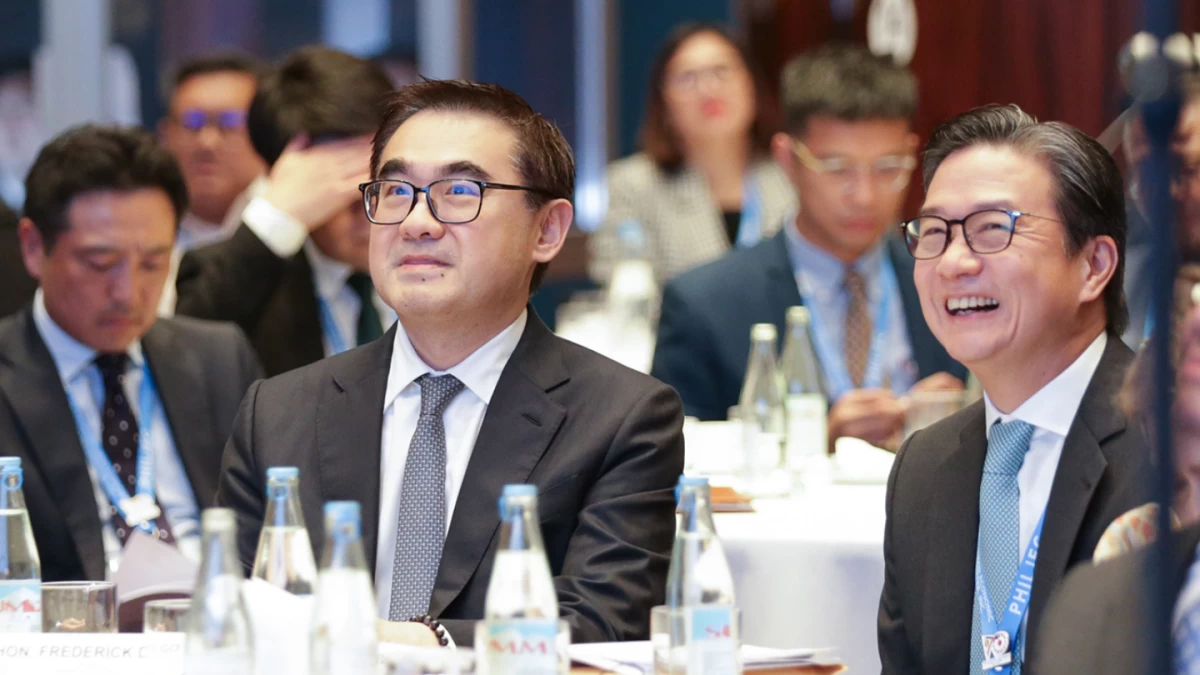
The Philippine and Japanese governments are aiming to seal 11 additional loan agreements totaling 371.3 billion Japanese yen, or approximately ₱139.1 billion, from 2026 through the first quarter of 2027.
These planned financing agreements will add to the existing 12 loan agreements worth around ₱344.2 billion, signed since the start of the Marcos Jr. administration in 2022.
“These projects are now moving from commitment to implementation, translating financing into physical progress on the ground,” the Department of Finance (DOF) said during the annual economic cooperation meeting on Thursday, Feb. 19.
Finance Secretary Frederick D. Go said these mounting financing deals reflect the Japanese government’s confidence in the Philippine economy. He had earlier downplayed the recent economic moderation.
Go described the country’s below-target 4.4-percent gross domestic product (GDP) growth in 2025 as a resilient performance that remains a regional standout.
Japan remains the Philippines’ largest provider of concessional official development assistance (ODA), with total loan and grant commitments reaching $13.96 billion as of December 2025. This accounts for a third of the country’s total ODA portfolio.
Before the close of Japan’s fiscal year (FY) 2025 on March 31, the Philippines is targeting the signing of three additional critical financing agreements totaling 243.3 billion Japanese yen, or around ₱91.1 billion, covering infrastructure projects including Metro Manila Subway and Central Mindanao Highway.
It may be recalled that the government recently signed the exchange of notes for the second supplemental loan for the Metro Rail Transit Line 3 (MRT-3) rehabilitation project.
“Japan has been a steadfast partner in our past. It is a strategic partner in our present. It will remain an indispensable partner in our future,” Go said.