ADVERTISEMENT

How to attract good luck and positive energy this Chinese New Year

Catch the blessings

Published Feb 16, 2026 11:50 am
CNY 2026
CNY 2026
Chinese New Year (CNY) has always felt like a reset button, compared to the Gregorian calendar, when we list our New Year’s resolutions at the start of January.
For this incoming Year of the Fire Horse, there might be more in store for the younger generation. Because in Chinese culture, the Horse symbolizes strength, movement, and courage—qualities that are usually associated with the youth.
But how does one make the most of this incoming year that has been predicted to possibly be a very busy year for most? Here are some CNY traditions that might help you get the most out of this galloping year.
1. Clean before New Year’s Day
Homes are cleaned thoroughly before the new year to sweep away bad luck. But on New Year’s Day itself, cleaning is avoided. Why? Because you don’t want to sweep away blessings that have just arrived.
For today’s youth, think of it as energetic timing. Clear out what no longer serves you before the year begins. Once it starts, protect the momentum you’ve created.
2. Give and receive red envelopes
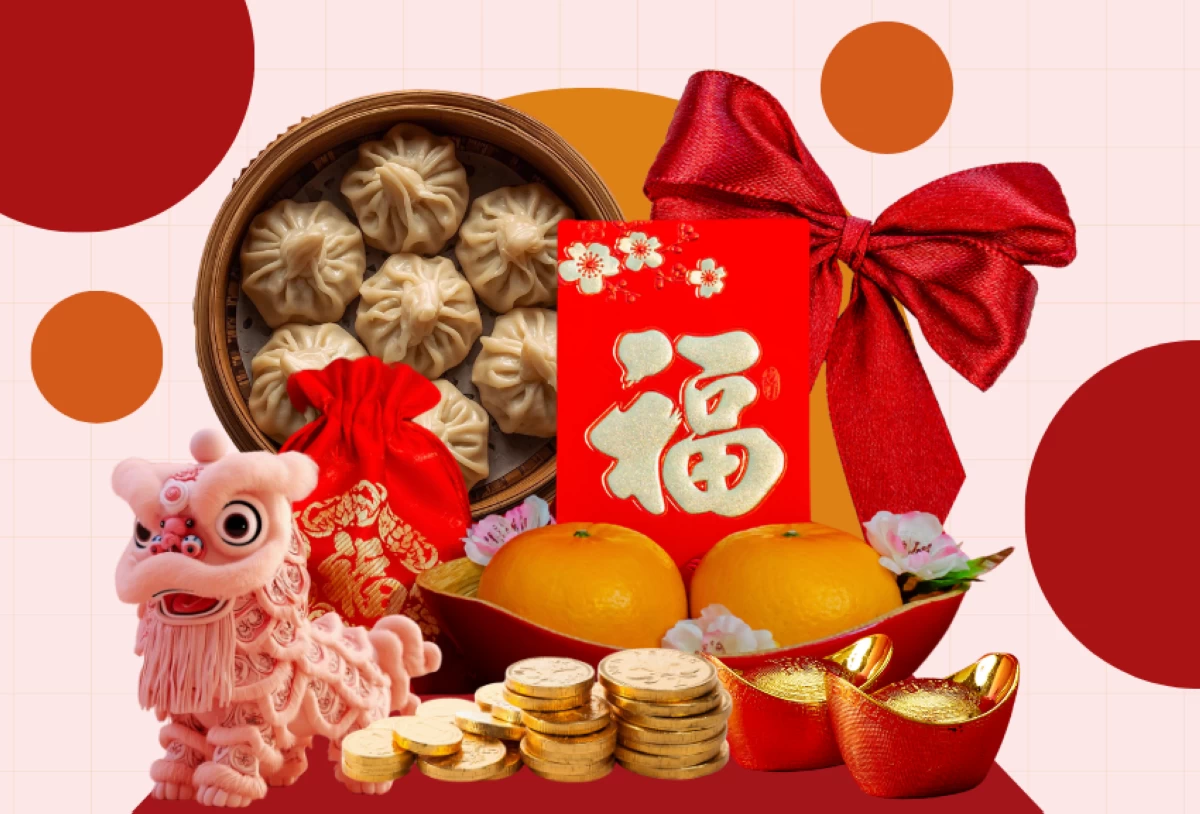
The tradition of giving red envelopes, known as Hongbao, symbolizes the passing of prosperity and protection from elders to the younger generation. The crisp bills inside represent fresh beginnings.
If you’re already earning, consider reversing the flow—gift your parents or younger siblings red envelopes as a sign of gratitude. Blessings multiply when shared.
3. Wear red, and avoid black and white
Red symbolizes joy, protection, and luck. Black and white, traditionally associated with mourning, are usually avoided on the first day of the new year. For this incoming year, it is recommended not to wear too much red, because there’s already too much red in the Fire Horse sign.
Even a small red accessory—a bracelet, hair ribbon, or sneakers—can feel symbolic. You’d be amazed at how much a small item can boost your confidence.
4. Keep your words kind and positive
During CNY, people avoid speaking negatively or using unlucky words. No to arguments and harsh language, even better if avoided all throughout the year.
It may sound simple, but words contribute to the surrounding energy. Starting the year with intention in speech sets the tone for relationships, friendships, and even how you speak to yourself.
5. Eat for abundance
Food is never random during CNY. Every dish carries meaning. Whole fish symbolizes surplus and abundance. Dumplings resemble gold ingots, representing wealth. Tikoy (nian gao) symbolizes growth and rising success. Long noodles represent longevity—so don’t cut them short. In many countries that celebrate CNY, these dishes appear in different forms, but the message is the same—may you have more than enough.
For young people juggling school, side hustles, and dreams, abundance isn’t just money—it’s opportunities, mentors, and clarity.
The Year of the Fire Horse isn’t about sprinting recklessly; it’s about planning with purpose, strength, and with intention. Clear your space. Choose your words wisely. Show up at the table. Accept blessings with gratitude. Look forward and ready to run toward your luck.

Related Tags

CNY
ADVERTISEMENT
.most-popular .layout-ratio{ padding-bottom: 79.13%; } @media (min-width: 768px) and (max-width: 1024px) { .widget-title { font-size: 15px !important; } }

{{ articles_filter_1561_widget.title }}

.most-popular .layout-ratio{ padding-bottom: 79.13%; } @media (min-width: 768px) and (max-width: 1024px) { .widget-title { font-size: 15px !important; } }

{{ articles_filter_1562_widget.title }}

.most-popular .layout-ratio{ padding-bottom: 79.13%; } @media (min-width: 768px) and (max-width: 1024px) { .widget-title { font-size: 15px !important; } }

{{ articles_filter_1563_widget.title }}

{{ articles_filter_1564_widget.title }}

.mb-article-details { position: relative; } .mb-article-details .article-body-preview, .mb-article-details .article-body-summary{ font-size: 17px; line-height: 30px; font-family: "Libre Caslon Text", serif; color: #000; } .mb-article-details .article-body-preview iframe , .mb-article-details .article-body-summary iframe{ width: 100%; margin: auto; } .read-more-background { background: linear-gradient(180deg, color(display-p3 1.000 1.000 1.000 / 0) 13.75%, color(display-p3 1.000 1.000 1.000 / 0.8) 30.79%, color(display-p3 1.000 1.000 1.000) 72.5%); position: absolute; height: 200px; width: 100%; bottom: 0; display: flex; justify-content: center; align-items: center; padding: 0; } .read-more-background a{ color: #000; } .read-more-btn { padding: 17px 45px; font-family: Inter; font-weight: 700; font-size: 18px; line-height: 16px; text-align: center; vertical-align: middle; border: 1px solid black; background-color: white; } .hidden { display: none; }
function initializeAllSwipers() { // Get all hidden inputs with cms_article_id document.querySelectorAll('[id^="cms_article_id_"]').forEach(function (input) { const cmsArticleId = input.value; const articleSelector = '#article-' + cmsArticleId + ' .body_images'; const swiperElement = document.querySelector(articleSelector); if (swiperElement && !swiperElement.classList.contains('swiper-initialized')) { new Swiper(articleSelector, { loop: true, pagination: false, navigation: { nextEl: '#article-' + cmsArticleId + ' .swiper-button-next', prevEl: '#article-' + cmsArticleId + ' .swiper-button-prev', }, }); } }); } setTimeout(initializeAllSwipers, 3000); const intersectionObserver = new IntersectionObserver( (entries) => { entries.forEach((entry) => { if (entry.isIntersecting) { const newUrl = entry.target.getAttribute("data-url"); if (newUrl) { history.pushState(null, null, newUrl); let article = entry.target; // Extract metadata const author = article.querySelector('.author-section').textContent.replace('By', '').trim(); const section = article.querySelector('.section-info ').textContent.replace(' ', ' '); const title = article.querySelector('.article-title h1').textContent; // Parse URL for Chartbeat path format const parsedUrl = new URL(newUrl, window.location.origin); const cleanUrl = parsedUrl.host + parsedUrl.pathname; // Update Chartbeat configuration if (typeof window._sf_async_config !== 'undefined') { window._sf_async_config.path = cleanUrl; window._sf_async_config.sections = section; window._sf_async_config.authors = author; } // Track virtual page view with Chartbeat if (typeof pSUPERFLY !== 'undefined' && typeof pSUPERFLY.virtualPage === 'function') { try { pSUPERFLY.virtualPage({ path: cleanUrl, title: title, sections: section, authors: author }); } catch (error) { console.error('ping error', error); } } // Optional: Update document title if (title && title !== document.title) { document.title = title; } } } }); }, { threshold: 0.1 } ); function showArticleBody(button) { const article = button.closest("article"); const summary = article.querySelector(".article-body-summary"); const body = article.querySelector(".article-body-preview"); const readMoreSection = article.querySelector(".read-more-background"); // Hide summary and read-more section summary.style.display = "none"; readMoreSection.style.display = "none"; // Show the full article body body.classList.remove("hidden"); } document.addEventListener("DOMContentLoaded", () => { let loadCount = 0; // Track how many times articles are loaded const offset = [1, 2, 3, 4, 5, 6, 7, 8, 9, 10]; // Offset values const currentUrl = window.location.pathname.substring(1); let isLoading = false; // Prevent multiple calls if (!currentUrl) { console.log("Current URL is invalid."); return; } const sentinel = document.getElementById("load-more-sentinel"); if (!sentinel) { console.log("Sentinel element not found."); return; } function isSentinelVisible() { const rect = sentinel.getBoundingClientRect(); return ( rect.top < window.innerHeight && rect.bottom >= 0 ); } function onScroll() { if (isLoading) return; if (isSentinelVisible()) { if (loadCount >= offset.length) { console.log("Maximum load attempts reached."); window.removeEventListener("scroll", onScroll); return; } isLoading = true; const currentOffset = offset[loadCount]; window.loadMoreItems().then(() => { let article = document.querySelector('#widget_1690 > div:nth-last-of-type(2) article'); intersectionObserver.observe(article) loadCount++; }).catch(error => { console.error("Error loading more items:", error); }).finally(() => { isLoading = false; }); } } window.addEventListener("scroll", onScroll); });

Sign up by email to receive news.