ADVERTISEMENT

Philippines limits rice imports to 300,000 MT during harvest season

Published Feb 16, 2026 12:00 am  |  Updated Feb 14, 2026 12:16 pm
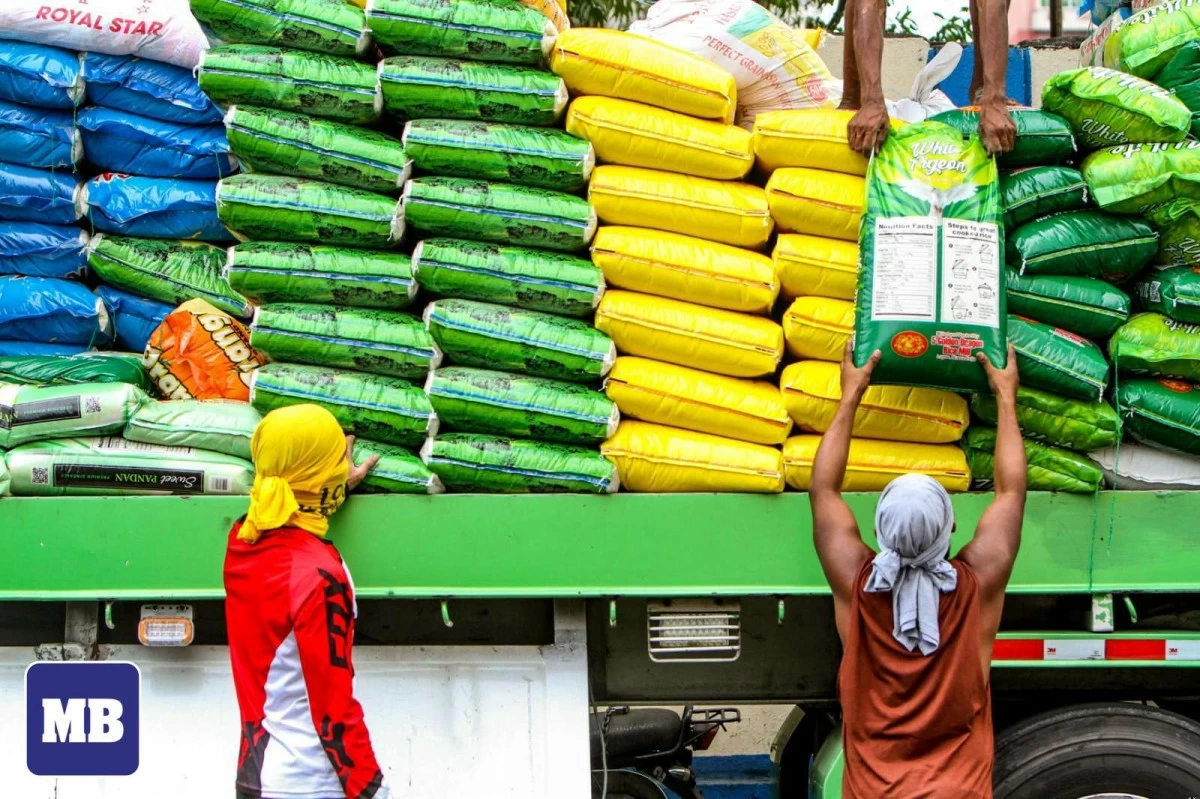
(Manila Bulletin file photo)

The Department of Agriculture (DA) will limit rice importation to around 300,000 metric tons (MT) for March and April, the lowest level in five years, as it seeks to protect farmers from the entry of cheaper imported rice during the harvest season.

Agriculture Secretary Francisco Tiu Laurel said he recently secured the backing of rice importers and traders to voluntarily limit the purchase of foreign rice for the coming month and the next to 150,000 MT each.

“Our rice importers have agreed to significantly reduce importation during the harvest season to help our farmers,” Tiu Laurel told reporters last week.

If the DA succeeds in urging importers to bring in only 300,000 MT of milled rice for March and April, it would be the lowest level since 2021, when nearly 340,000 MT arrived in the country.

The planned import volume represents a 65.5-percent decline from last year’s rice imports, which reached 869,842 MT for the two months.

Since there is no legislation yet granting the DA greater authority to restrict rice imports, it has resorted to securing commitments from industry players to help limit the entry of the commodity and prevent farmgate prices of unmilled rice from further declining.

The DA earlier asked importers to limit import volumes for January and February to around 600,000 MT, as international rice prices remain below the threshold that would trigger an increase in tariffs from the current 15 percent to 20 percent.

DA Assistant Secretary Arnel de Mesa said last month that the average price of five-percent broken Vietnam rice, which serves as the government benchmark, stands at $387 per MT. The higher 20-percent tariff will only take effect once the price falls between $350 per MT and $367 per MT.

Tiu Laurel also said the DA is still determining the new maximum suggested retail price (MSRP) for imported rice, which will serve as another safeguard to limit its entry.

Through these measures, the DA hopes to replicate the gains from the suspension of foreign rice purchases from September to December last year, which helped improve farmgate prices, without implementing another outright ban that could disrupt supply.

Data from the Philippine Statistics Authority (PSA) showed that palay prices fell to a low of ₱15.80 per kilo just before the import ban, before improving to around ₱18 per kilo by the end of the year.

“Excess importation undermines the profitability of rice farming by depressing palay prices at harvest time and discouraging production,” said Tiu Laurel. “We must align imports with real supply gaps, not overshoot them.”

In the second half of the year, the DA plans to introduce a more refined rice import scheme, including a province-specific framework and linking importation to local purchases.

The DA chief recently formed a technical working group to strengthen government oversight of rice importation, alongside crafting a more structured import policy for the household staple.

The DA is planning to cap rice imports this year at around 3.8 million MT, 12 percent higher than the 3.39 million MT recorded in 2025, which included the four-month import ban.

Based on the latest data from the Bureau of Plant Industry (BPI), a total of 409,377 MT of foreign rice had arrived in the country as of Feb. 5.

ADVERTISEMENT
.most-popular .layout-ratio{ padding-bottom: 79.13%; } @media (min-width: 768px) and (max-width: 1024px) { .widget-title { font-size: 15px !important; } }

{{ articles_filter_1561_widget.title }}

.most-popular .layout-ratio{ padding-bottom: 79.13%; } @media (min-width: 768px) and (max-width: 1024px) { .widget-title { font-size: 15px !important; } }

{{ articles_filter_1562_widget.title }}

.most-popular .layout-ratio{ padding-bottom: 79.13%; } @media (min-width: 768px) and (max-width: 1024px) { .widget-title { font-size: 15px !important; } }

{{ articles_filter_1563_widget.title }}

{{ articles_filter_1564_widget.title }}

.mb-article-details { position: relative; } .mb-article-details .article-body-preview, .mb-article-details .article-body-summary{ font-size: 17px; line-height: 30px; font-family: "Libre Caslon Text", serif; color: #000; } .mb-article-details .article-body-preview iframe , .mb-article-details .article-body-summary iframe{ width: 100%; margin: auto; } .read-more-background { background: linear-gradient(180deg, color(display-p3 1.000 1.000 1.000 / 0) 13.75%, color(display-p3 1.000 1.000 1.000 / 0.8) 30.79%, color(display-p3 1.000 1.000 1.000) 72.5%); position: absolute; height: 200px; width: 100%; bottom: 0; display: flex; justify-content: center; align-items: center; padding: 0; } .read-more-background a{ color: #000; } .read-more-btn { padding: 17px 45px; font-family: Inter; font-weight: 700; font-size: 18px; line-height: 16px; text-align: center; vertical-align: middle; border: 1px solid black; background-color: white; } .hidden { display: none; }
function initializeAllSwipers() { // Get all hidden inputs with cms_article_id document.querySelectorAll('[id^="cms_article_id_"]').forEach(function (input) { const cmsArticleId = input.value; const articleSelector = '#article-' + cmsArticleId + ' .body_images'; const swiperElement = document.querySelector(articleSelector); if (swiperElement && !swiperElement.classList.contains('swiper-initialized')) { new Swiper(articleSelector, { loop: true, pagination: false, navigation: { nextEl: '#article-' + cmsArticleId + ' .swiper-button-next', prevEl: '#article-' + cmsArticleId + ' .swiper-button-prev', }, }); } }); } setTimeout(initializeAllSwipers, 3000); const intersectionObserver = new IntersectionObserver( (entries) => { entries.forEach((entry) => { if (entry.isIntersecting) { const newUrl = entry.target.getAttribute("data-url"); if (newUrl) { history.pushState(null, null, newUrl); let article = entry.target; // Extract metadata const author = article.querySelector('.author-section').textContent.replace('By', '').trim(); const section = article.querySelector('.section-info ').textContent.replace(' ', ' '); const title = article.querySelector('.article-title h1').textContent; // Parse URL for Chartbeat path format const parsedUrl = new URL(newUrl, window.location.origin); const cleanUrl = parsedUrl.host + parsedUrl.pathname; // Update Chartbeat configuration if (typeof window._sf_async_config !== 'undefined') { window._sf_async_config.path = cleanUrl; window._sf_async_config.sections = section; window._sf_async_config.authors = author; } // Track virtual page view with Chartbeat if (typeof pSUPERFLY !== 'undefined' && typeof pSUPERFLY.virtualPage === 'function') { try { pSUPERFLY.virtualPage({ path: cleanUrl, title: title, sections: section, authors: author }); } catch (error) { console.error('ping error', error); } } // Optional: Update document title if (title && title !== document.title) { document.title = title; } } } }); }, { threshold: 0.1 } ); function showArticleBody(button) { const article = button.closest("article"); const summary = article.querySelector(".article-body-summary"); const body = article.querySelector(".article-body-preview"); const readMoreSection = article.querySelector(".read-more-background"); // Hide summary and read-more section summary.style.display = "none"; readMoreSection.style.display = "none"; // Show the full article body body.classList.remove("hidden"); } document.addEventListener("DOMContentLoaded", () => { let loadCount = 0; // Track how many times articles are loaded const offset = [1, 2, 3, 4, 5, 6, 7, 8, 9, 10]; // Offset values const currentUrl = window.location.pathname.substring(1); let isLoading = false; // Prevent multiple calls if (!currentUrl) { console.log("Current URL is invalid."); return; } const sentinel = document.getElementById("load-more-sentinel"); if (!sentinel) { console.log("Sentinel element not found."); return; } function isSentinelVisible() { const rect = sentinel.getBoundingClientRect(); return ( rect.top < window.innerHeight && rect.bottom >= 0 ); } function onScroll() { if (isLoading) return; if (isSentinelVisible()) { if (loadCount >= offset.length) { console.log("Maximum load attempts reached."); window.removeEventListener("scroll", onScroll); return; } isLoading = true; const currentOffset = offset[loadCount]; window.loadMoreItems().then(() => { let article = document.querySelector('#widget_1690 > div:nth-last-of-type(2) article'); intersectionObserver.observe(article) loadCount++; }).catch(error => { console.error("Error loading more items:", error); }).finally(() => { isLoading = false; }); } } window.addEventListener("scroll", onScroll); });

Sign up by email to receive news.