






Manila Bulletin
 Philippines
National
P22-B windfall makes travel tax abolition a 'no-brainer'--Quimbo
Philippines
National
P22-B windfall makes travel tax abolition a 'no-brainer'--Quimbo
Philippines
National
P22-B windfall makes travel tax abolition a 'no-brainer'--Quimbo
P22-B windfall makes travel tax abolition a 'no-brainer'--Quimbo
Published Feb 15, 2026 05:03 pm


At A Glance
- The proposed abolition of the travel tax could generate as much as P22 billion in additional annual income for the government--far exceeding the projected P7.5 billion in foregone revenues from the levy.
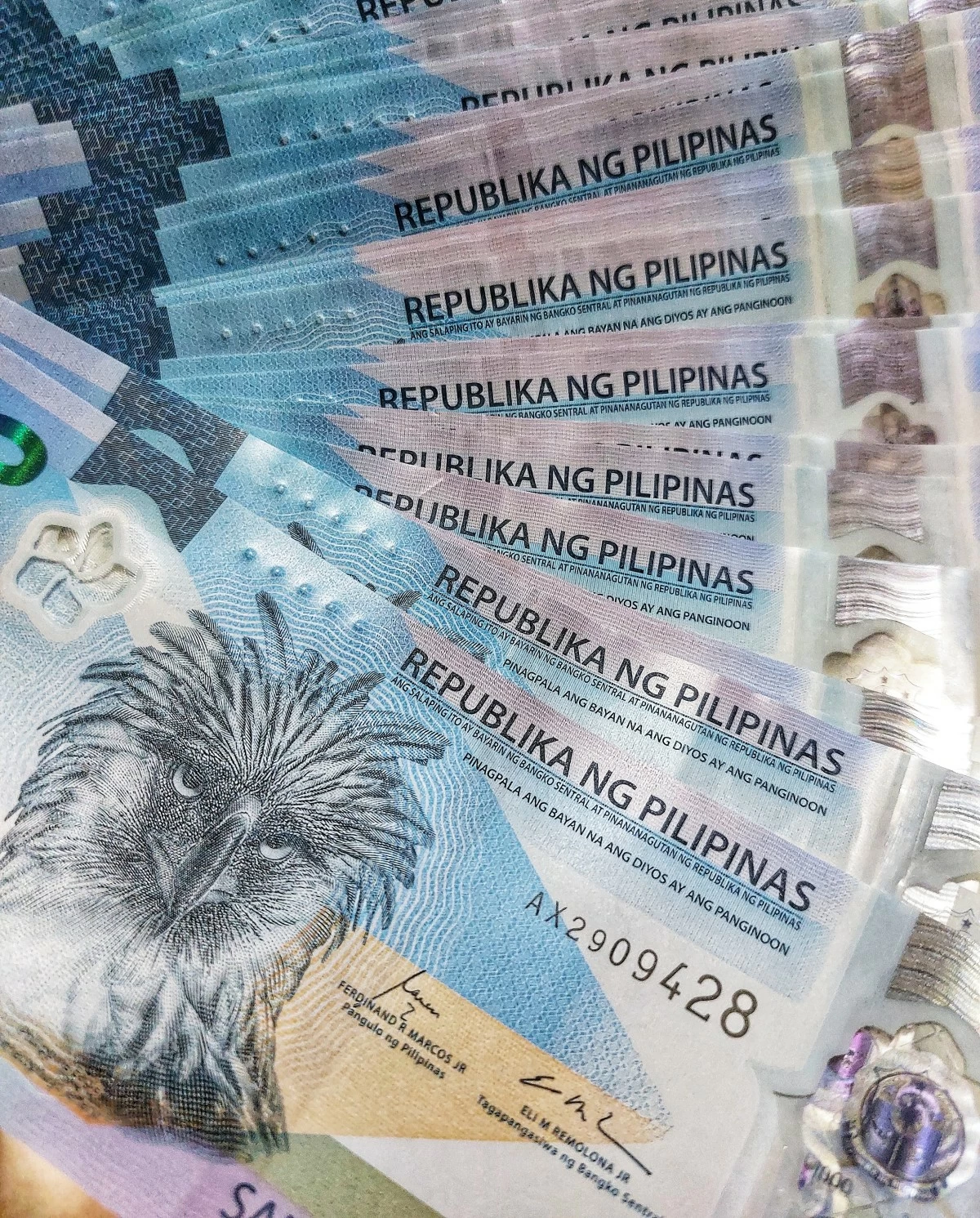
(MANILA BULLETIN)
The proposed abolition of the travel tax could generate as much as P22 billion in additional annual income for the government--far exceeding the projected P7.5 billion in foregone revenues from the levy.
House Committee on Ways and Means Chairman Marikina City 2nd district Rep. Miro Quimbo gave this estimate in a radio interview Sunday, Feb. 15 , even as legislators continued to rally behind presidential son Ilocos Norte 1st district Rep. Sandro Marcos' pitch to scrap the burdensome travel tax.
“So ‘yun po ang overall for the P7.5 billion na mawawala po natin ‘pag tinanggal po natin annually. So sa computation po namin ‘yung madadagdag in terms of income tax, dahil mas malaki ang kikita nila, aabot po ng P22 billion," Quimbo said.
(So that’s the overall impact: we would lose P7.5 billion annually if it were removed. But based on our computation, the additional income tax, since they would be earning more,would reach P22 billion.)
"No-brainer po talaga siya (It's really a no-brainer),” the veteran solon said of the proposal.
The measure, House Bill (HB) No. 7443, was filed by Marcos and has been included in the Legislative-Executive Development Advisory Council’s Common Legislative Agenda (LEDAC-CLA).
Under the proposal, the government will remove the current levy of P1,620 for economy-class passengers and P2,700 for first-class travelers.
“Kapag tinanggal po natin yung P1620 sa isang plane fare… meaning mas maraming tao ang makaka-biyahe. So mas madadagdag ang kikitain ng ating travel agencies, ating airline companies. No-brainer,” said Quimbo, who noted that lower fares could mean a 20 percent reduction in ticket costs for popular destinations such as Singapore and Bangkok.
(If we remove the P1,620 from a plane fare, it means more people will be able to travel. As a result, our travel agencies and airline companies will earn more. No-brainer.)
He says that the Philippines is now the only country in Association of South East Asian Nations (ASEAN) collecting a tax on outbound travel.
Quimbo stressed that while there may be “initial na kawalan (initial losses),” collections over the next 18 months would more than offset the losses. “Mas malaki po over the next 18 months ang mas makokolekta at higit pa doon (Over the next 18 months, the collections will be larger, and even beyond that).
June target
The Marikina lawmaker said the House is targeting HB No.7443's passage before the recess in June.
“Ako, I’m very, very sure bago matapos ang first regular session…Ibig sabihin bago kami mag-June break, ‘yan po ay maipaipadala na namin sa Senado (As for me, I'm very, very sure this will be passed before the conclusion of the first regular session...that means we will have passed it to the Senate before the June break,” Quimbo assured the public
He also underscored that tax measures must originate from the House of Representatives under the Constitution.
He explained that the travel tax was originally imposed during the time of former Pesident Ferdinand Marcos Sr., when overseas travel was limited mostly to the wealthy.
“But today everybody travel. So malaking sagabal po ito pagdating sa ability ng ating mga kababayan na mag-biyahe (So this is a huge hindrance to our countrymen's ability to travel),” he said.
Funds previously earmarked for tourism infrastructure, education-related tourism and cultural programs are already covered under the national budget or General Appropriations Act (GAA), he added.
“Sa kahit anong angulo po talaga napaglumaan na po itong tax na ito (This is an oudated tax anywhere you look at it),” Quimbo said.