






Manila Bulletin
 Philippines
National
Marcos pushes for Chinatown revitalization; touts Binondo as cultural-economic hub
Philippines
National
Marcos pushes for Chinatown revitalization; touts Binondo as cultural-economic hub
Philippines
National
Marcos pushes for Chinatown revitalization; touts Binondo as cultural-economic hub
Marcos pushes for Chinatown revitalization; touts Binondo as cultural-economic hub
Published Feb 14, 2026 07:21 am


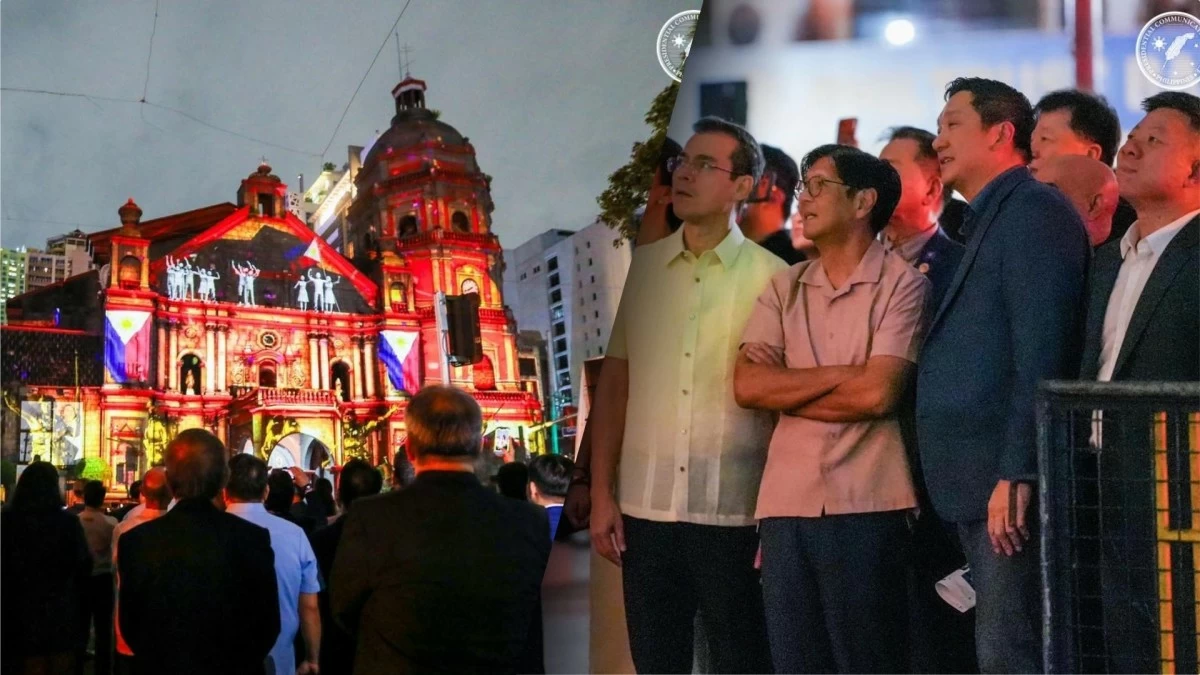
Malacañang photos
President Marcos led the launch of Phase II of the Chinatown Revitalization Project on Friday, February 13, positioning Binondo as a cultural and economic hub anchored in heritage preservation and tourism-driven development.
Speaking during the event in Manila, President Marcos said the initiative honors shared history while reinvigorating the district’s role in commerce and culture.
“This initiative is all about honoring shared histories and giving the district the much-needed attention and respect that it deserves,” he said.
According to the President, the second phase will further develop Ongpin Street and nearby landmarks to strengthen economic activity and tourism appeal.
“We will further develop Ongpin Street into a cultural and economic hub, and enhance key historical landmarks with lighting and thematic presentations along Ongpin and Escolta Streets,” he said.
“These efforts will reinforce the district’s historical role as a center of trade, of faith, and community, and support culture-based tourism and local economic activity,” he added.
Heritage for all
Marcos likewise stressed that heritage initiatives should remain inclusive and beneficial to all Filipinos.
“Heritage must be something we can all learn from and enjoy, regardless of where we come from or who we are,” he said.
The Chief Executive expressed optimism that the revitalization would strengthen unity and national identity moving forward.
Linked to Pasig River revival
Marcos said the revitalization complements broader government efforts under the Pasig Bigyang Buhay Muli Program to restore surrounding areas and improve accessibility.
He cited initiatives such as reclaiming public spaces and modernizing river transport, noting that mobility links between districts are being strengthened.
“To further strengthen mobility, we are developing the Pasig River Ferry system to link Manila Bay and Laguna Lake,” the President said.
Cultural ties and cooperation
President Marcos highlighted Binondo’s heritage as a symbol of Filipino-Chinese ties and cooperation among sectors.
“Beyond its age, what makes this place special is its long story of commerce, faith, and culture between Filipinos and the Chinese community,” he said.
He thanked partners from the government, the private sector, and the Filipino-Chinese community, saying collaboration made the project possible.
“The outcomes remind us how much we can achieve if we work together to preserve our heritage,” the President said.