






Manila Bulletin
 Business
Trade & Industry
Manila launches phase II of Binondo revitalization to boost heritage tourism
Business
Trade & Industry
Manila launches phase II of Binondo revitalization to boost heritage tourism
Business
Trade & Industry
Manila launches phase II of Binondo revitalization to boost heritage tourism
Manila launches phase II of Binondo revitalization to boost heritage tourism
Published Feb 13, 2026 08:03 pm


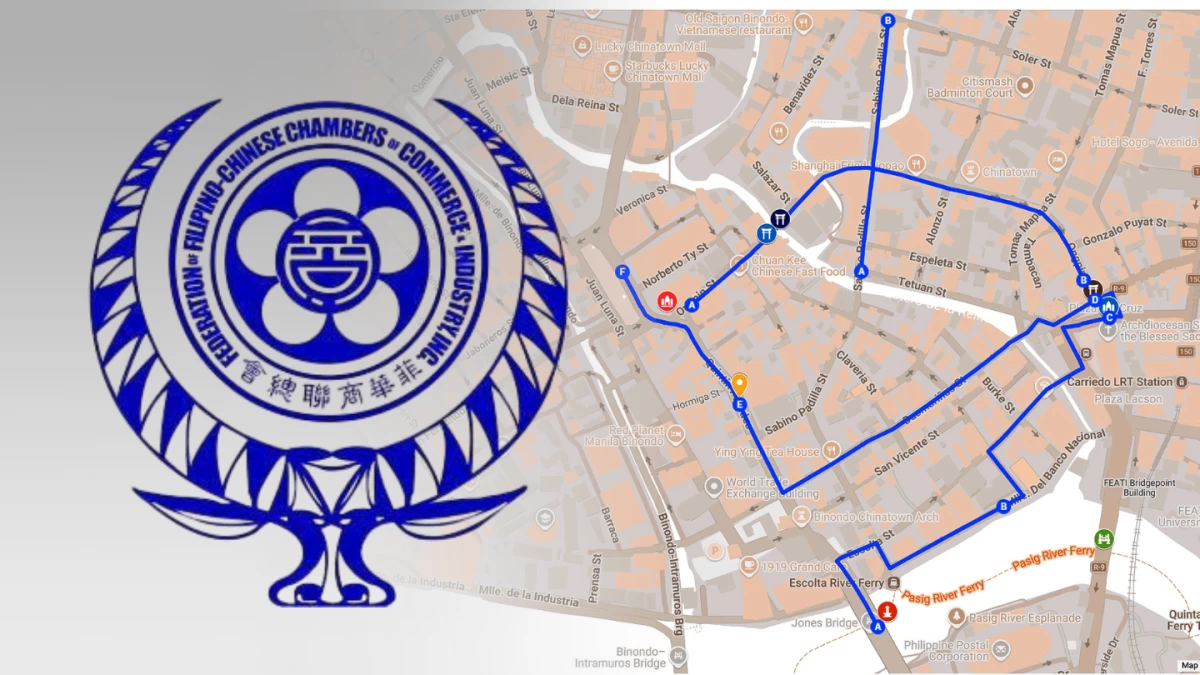
The revitalization of Manila’s historic Binondo district reached a new milestone as officials launched the second phase of a heritage-driven lighting project, a move designed to stimulate tourism and economic activity in the world’s oldest Chinatown.
The initiative, which builds on the earlier restoration of Jones Bridge, focuses on illuminating key landmarks and commercial corridors to highlight the district's 432-year history as a global hub of trade and culture.
The Phase II launch at the Lucky Chinatown Hotel follows the momentum of the broader Pasig River Bigyang Buhay Muli Project, an urban renewal program that has served as a blueprint for heritage restoration in the capital.
By installing immersive lighting across selected streets, the project aims to increase foot traffic and encourage local spending, while simultaneously reinforcing the cultural identity of the Filipino-Chinese community.
Key areas targeted for illumination include the La Madre Filipina pillars, the MacArthur Bridge, and the historic Sta. Cruz Church. The project also features high-tech installations, such as hologram lights along Quentin Paredes, Ongpin, and Sabino Padilla streets, and projection mapping at the Binondo Church. Four major gates, including the Qing Shan Gate and the Tuan Jie Gate, serve as the structural anchors for this aesthetic overhaul.
The project has been characterized by its organizers as a model for sustainable urban renewal, relying on non-intrusive and reversible interventions. Rather than pursuing invasive physical development, the initiative uses light as a medium to achieve transformation with limited financial resources and minimal impact on the district's historic fabric. This approach has been funded largely through voluntary contributions and the shared stewardship of the Filipino-Chinese community, reflecting a private-sector-led effort to safeguard the nation’s cultural legacy.
President Ferdinand Marcos Jr. and First Lady Louise Araneta Marcos have maintained a consistent presence in the project’s development, viewing the revitalization of Binondo as a pillar of the national agenda for cultural heritage. Their support has provided the initiative with a platform for national visibility, attracting interest from cultural advocates and international tourists. The First Couple attended the ceremony alongside members of the diplomatic corps and local government officials, underscored by a scheduled visit to the newly lit sites to reaffirm the government’s commitment to heritage-driven progress.
Beyond the aesthetic improvements, the revitalization is expected to amplify Binondo’s renowned culinary scene through increased social media engagement. By positioning the district as a premier destination for heritage tourism, stakeholders hope to foster long-term investment in an area that has functioned as a living center of trade since 1594. The project demonstrates that the preservation of identity and the pursuit of economic growth can be aligned, ensuring that Binondo remains a vibrant participant in Manila’s contemporary urban life.