







Diesel to rise ₱1 per liter Tuesday as global risks persist
Published Feb 9, 2026 10:32 am
|
Updated Feb 9, 2026 02:06 pm


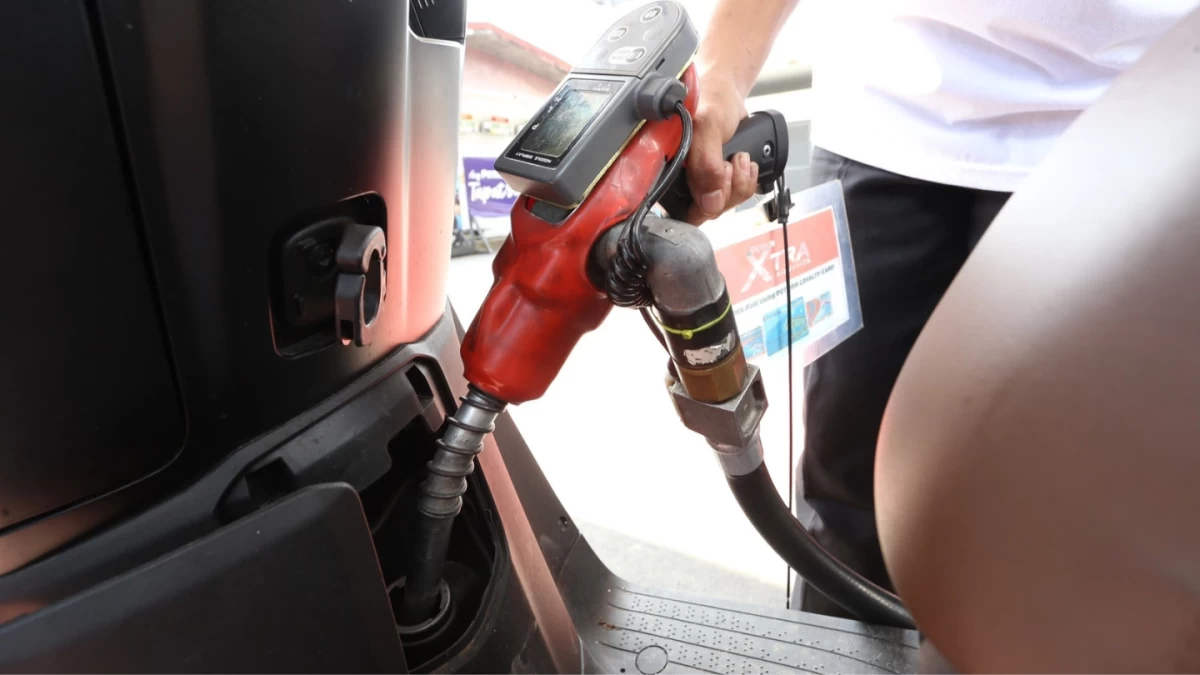
Motorists are facing another squeeze at the pump as domestic fuel prices are set to climb for the sixth time this year, driven by tightening geopolitical sanctions and shifting trade alliances in the global crude market.
Starting Tuesday, Feb. 10, fuel retailers will implement a price hike of ₱1 per liter for diesel, while gasoline and kerosene prices will each increase by ₱0.60 per liter. The latest adjustments reflect the persistent volatility in the international oil market, which has sent local pump prices on steady upward trajectory since the beginning of 2025.
Cumulative year-to-date increases have now reached ₱6.4 per liter for diesel and ₱3.1 per liter for gasoline, according to industry data.
Major players, including Shell Pilipinas Corp., Seaoil Philippines Inc., Petro Gazz, and Chevron Philippines Inc. (Caltex), are scheduled to reflect the new rates at 6 a.m. Cleanfuel, often the last to adjust, will implement the changes at 8:01 a.m.
The price action comes as geopolitical tensions outweigh generally optimistic outlook for global production. Analysts at ING Economics noted on Monday that the market is reacting to a fresh wave of United States sanctions targeting Iranian oil exports, a move intended to further restrict global supply from sanctioned states.
Adding to the supply-side pressure is a significant shift in Indian energy policy; New Delhi is reportedly moving to sever its reliance on Russian crude following sustained diplomatic pressure from Washington. This potential pivot by one of the world's largest oil consumers has sparked concerns over a reshuffling of global trade flows.
Regional demand has also provided a floor for prices. The recent Lunar New Year festivities spurred a surge in consumption across Asia, prompting China to signal plans to limit its diesel exports to ensure sufficient domestic supply. This reduction in Chinese outflows typically tightens the balance in the Asian regional market, where the Philippines sources much of its refined product.
Despite the immediate upward pressure, the Department of Energy’s Oil Industry Management Bureau offered a more tempered long-term outlook. Officials suggested that rising output from non-OPEC producers could eventually provide a buffer against price spikes, though for now, the local market remains at the mercy of global geopolitical friction.